






Wood Inlay Caddy
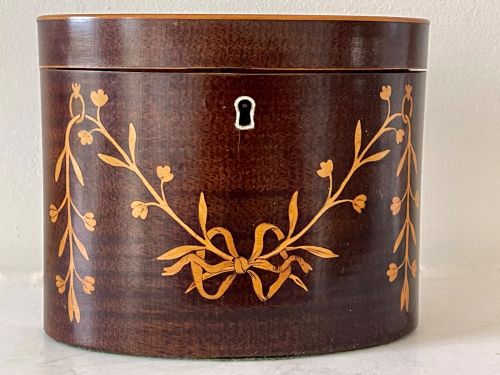
A wood inlay caddy is a small lidded box designed to store tea, formed in rosewood, satinwood, and mahogany across Georgian and Regency periods.
Wood Inlay Caddy
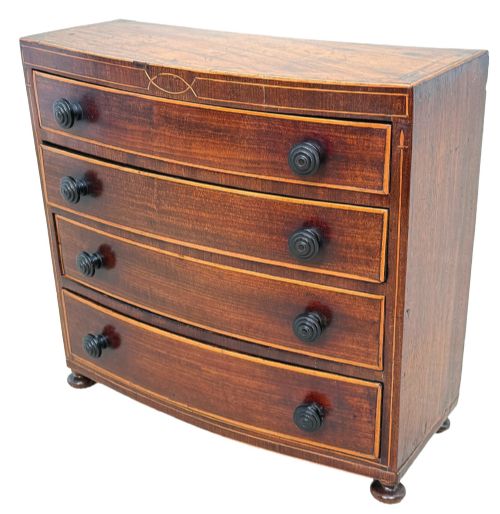
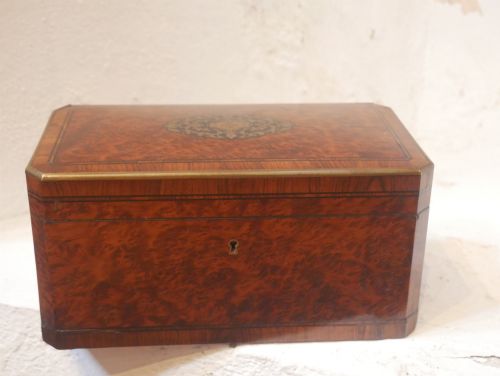
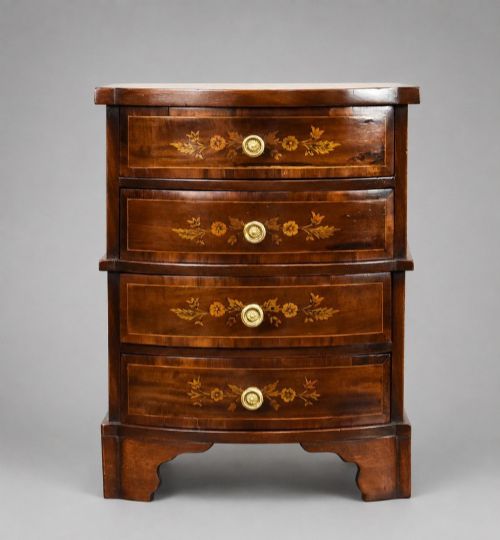
When searching for a wood inlay caddy, collectors encounter containers originating primarily from the Georgian, Regency, and Victorian periods. These pieces take forms such as tea caddies, tea-poys, and decorative boxes.
The most common examples on this page are tea caddies shaped in sarcophagus or oval forms. They date from the eighteenth and nineteenth centuries and utilise timbers like rosewood and mahogany.
Makers integrated various decorative elements including shell motifs, parquetry, and brass stringing into the lids and panels of these boxes. Their original purpose was the secure storage of precious loose tea leaves.
How they were made
Cabinet makers utilised dense hardwoods such as rosewood, mahogany, satinwood, and walnut as the primary structural bodies for these boxes. They applied contrasting veneers and timbers to create geometric patterns and pictorial motifs.
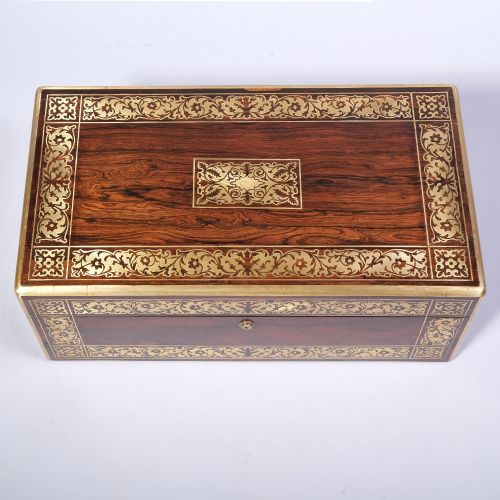
Craftsmen embedded delicate details of bone, mother of pearl, and brass wire into the timber surfaces. Surfaces received hand-polished finishes to highlight the natural grain and colour of the exotic woods.
Wood Inlay Caddy Retail Price Guide 2026
Typical asking prices for wood inlay caddy among the pieces listed under this phrase on Sellingantiques today, from the lower quarter to the upper quarter. They describe what is for sale here now, not the wider market.
Listings feature woods such as rosewood, mahogany, satinwood, burr yew, and partridge wood across the Georgian and Regency periods.
What varies in quality
The standard of a wood inlay caddy rests upon the precision of the cabinet work and the complexity of the veneer patterns. Fine examples display seamless joints and intricate parquetry without misalignment.
Superior pieces incorporate rarer timbers like burr yew, partridge wood, or amboyna alongside skilful brass or shell inlay. The retention of original internal compartments and functional locks also influences the standing of the piece.
Tahan·Henry Hollamby·Gillows·Freemans of Norwich
The Wood Inlay Caddy Glossary
- Sarcophagus form
- A box shape featuring a domed or sloping lid resting on a rectangular base, typical of Regency design. This architectural silhouette provided substantial internal volume for multiple tea canisters.
- Parquetry
- A mosaic of geometric wood pieces arranged to form decorative patterns on a surface. Craftsmen used contrasting timbers to create optical depth on box lids.
- Tea-poy
- A small stand or table fitted with a lidded box for storing tea, often supported on a central pillar with tripod legs. These elevated pieces served as portable tea stations in reception rooms.
- Stringing
- A thin, narrow strip of contrasting wood or brass inlaid into grooves on a cabinet surface. It outlines panels and drawers to provide linear definition.
- Cellarette
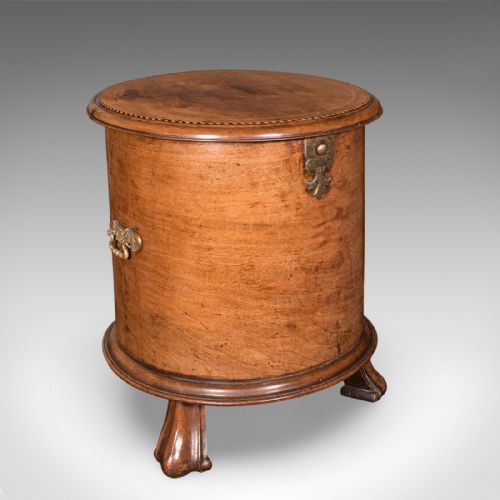
- A lockable cabinet or stand designed to hold wine bottles securely. These large storage pieces often share the timber and inlay characteristics of contemporary caddies.
Wood Inlay Caddy: Frequently Asked Questions
What is a wood inlay caddy?
A wood inlay caddy is a decorative lidded container manufactured to store tea leaves during the Georgian and Regency eras. Artisans constructed these boxes from dense timbers and decorated the exteriors with contrasting veneers.
Inside, many retain small compartments or mixing bowls for different tea varieties. They functioned as both useful storage and ornamental objects in drawing rooms.
How do I date a tea caddy?
Dating relies on observing the timber choices, hardware, and overall silhouette of the box. Georgian pieces often feature simpler rectangular or oval forms with satinwood or shell decoration.
Regency examples frequently display sarcophagus shapes with brass inlay and carved lion mask handles. Victorian pieces introduce walnut and heavier parquetry work.
What were tea caddies used for?
These boxes served to store black and green teas securely under lock and key when tea was an expensive commodity. Servants brought the caddy to the table where the host prepared the brew.
Internal compartments kept different tea leaves separated before blending. The lock prevented household staff from accessing the valuable contents.
How do I care for antique wood boxes?
Antique timber boxes require stable room environments away from direct sunlight and sudden temperature changes. Excessive dryness can cause veneers to lift or timber to split.
Occasional application of appropriate wax maintains the lustre of the polished hardwood surface. Avoid using liquid polishes or damp cloths on delicate inlay.