



Wood Inlaid Wall Plaque
A wood inlaid wall plaque brings warmth and intricate geometric or pictorial detail to a room, ranging from Tunbridge ware to Scottish school panels.
Wood Inlaid Wall Plaque
A wood inlaid wall plaque comprises decorative wall art and architectural dioramas fashioned from timber, displaying diverse regional craftsmanship from Victorian Britain, the Edwardian era, and mid-century modern design. Buyers seeking a wood inlaid wall plaque will encounter items spanning from the mid-nineteenth century through to the early twentieth century.
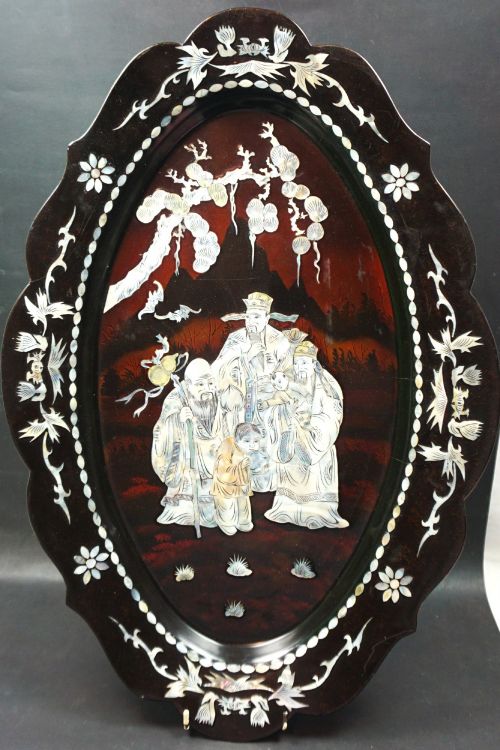
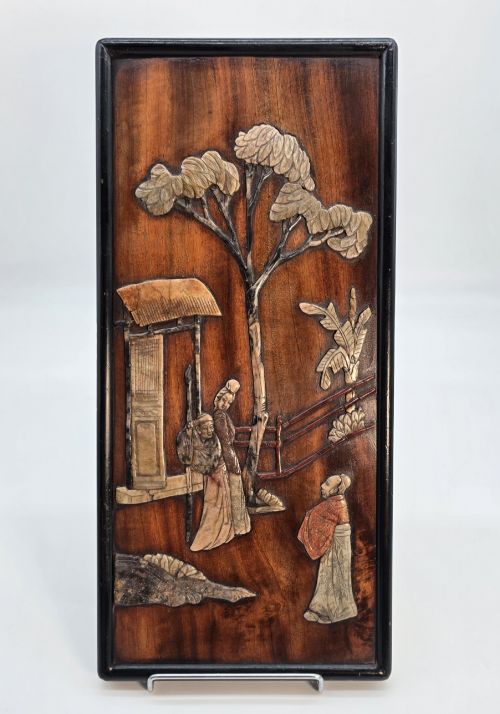
The selections on this page feature regional specialities such as Tunbridge ware, Scottish school works, and Moorish revival pieces alongside Chinese lacquered platters and Indian specimen wood panels. These wall plaques and framed artworks utilise intricate wood mosaic and marquetry to form pictorial scenes and decorative surfaces.
How they were made
Craftsmen built these plaques using a variety of timbers including walnut, rosewood, sycamore, satinwood, and ebony, frequently incorporating mother of pearl inlay for contrast and visual depth. Techniques range from minute wood mosaic work and marquetry to carved stone framing and relief architectural dioramas.
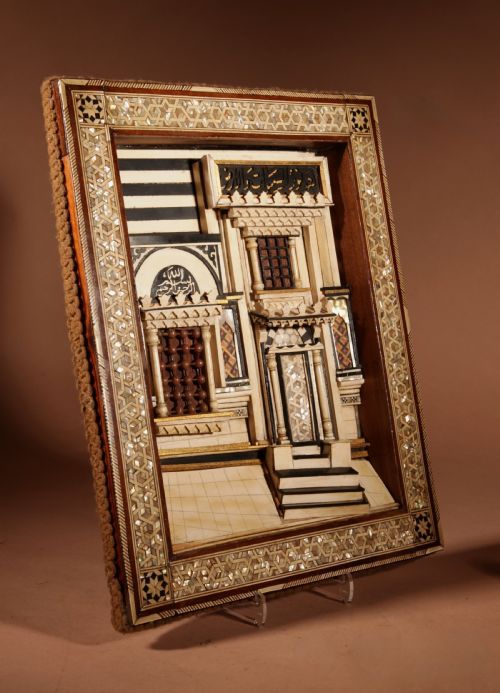
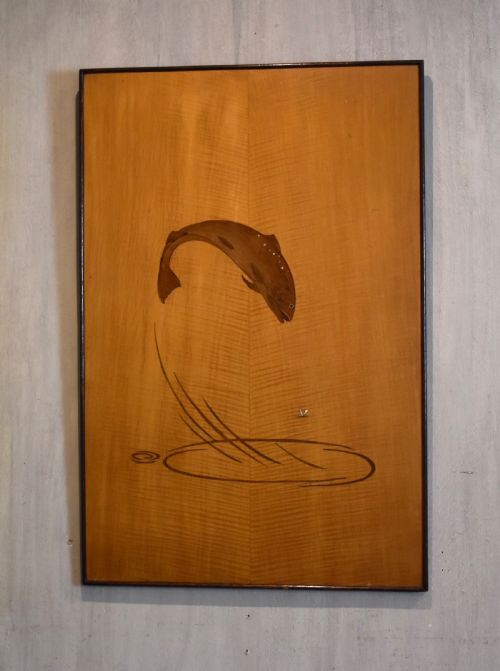
Lacquered surfaces and specimen wood arrangements required steady hands and precise cutting, whether depicting architectural facades like the Moorish Alhambra influence or natural subjects such as a leaping salmon.
Wood Inlaid Wall Plaque Retail Price Guide 2026
Typical asking prices for wood inlaid wall plaque among the pieces listed under this phrase on Sellingantiques today, from the lower quarter to the upper quarter. They describe what is for sale here now, not the wider market.
A leaping salmon caught in marquetry panel work proves that nineteenth-century woodworkers appreciated a good fishing tale as much as anyone.
What varies in quality
The fineness of the timber mosaic and the complexity of the marquetry dictate the distinction between standard decorative items and exceptional pieces of artistry. Superior examples demonstrate meticulous alignment of contrasting woods and secure integration of mother of pearl elements.
The ambition of the design, such as architectural dioramas with relief work or detailed pictorial panels, elevates the standing of a piece above simpler geometric borders.
The Wood Inlaid Wall Plaque Glossary
- Marquetry
- The art and craft of applying pieces of veneer to a structure to form decorative patterns and pictures. This technique allows for complex pictorial representations using natural wood grains and colours.
- Tunbridge Ware
- A distinct type of decorative woodwork characteristic of Tunbridge Wells, noted for tiny mosaic tesserae forming pictorial motifs. Each tiny block of coloured wood contributes to a larger geometric or landscape scene.
- Specimen Wood
- Furniture and decorative objects constructed from numerous distinct botanical timber species, chosen for their natural colours and grain patterns. Makers often arranged these woods to display botanical variety.
- Mother of Pearl
- The iridescent internal layer of mollusc shells utilised for inlay work to catch the light. It provides a striking silvery contrast against dark woods such as ebony and walnut.
- Diorama
- A three-dimensional full-size or miniature model, appearing here in architectural relief form to portray building facades. These pieces project outward from the flat backing panel.
Wood Inlaid Wall Plaque: Frequently Asked Questions
How do I hang a heavy wooden plaque?
Ensure you locate a solid wall stud or utilise appropriate heavy-duty wall anchors rated for the weight of the timber and frame. Secure fixings prevent any strain on the original historical structure of the plaque.
Check that the hanging wire or integrated mounting brackets on the back are robust and stable before committing the piece to the wall.
How should I clean my inlaid wooden panel?
Dust the surface gently with a soft, dry microfibre cloth to remove everyday particles without disturbing the delicate veneer or mosaic tiles. Avoid using liquid cleaners, moisture, or chemical polishes which can seep into the grain and loosen old adhesives.
Keep the piece away from direct sunlight and strong heat sources to prevent the natural woods from drying out, warping, or cracking over time.
What is the difference between marquetry and inlay?
Marquetry involves assembling a complete veneer puzzle over the entire surface of an object, whereas inlay traditionally entails recessing pieces into a solid wooden base. Both techniques create detailed surface decoration using contrasting materials.
In these wall plaques, makers employed both methods to achieve flat pictorial scenes and textured geometric compositions.
How can I tell the age of a wood plaque?
Examine the construction methods, backing boards, and the specific styles of timber work, such as Victorian Tunbridge ware or mid-century modern panels. The choice of materials, including ebony, rosewood, and mother of pearl, often points to the prevailing tastes of nineteenth and early twentieth-century workshops.
Signs of age in the wood grain and historical fixing methods help confirm the period of origin.