





Wood Inkwell Stand
These wood inkwell stand pieces bring carved animal figures and rich coromandel to your desk, offering both Victorian craftsmanship and practical charm.
Wood Inkwell Stand
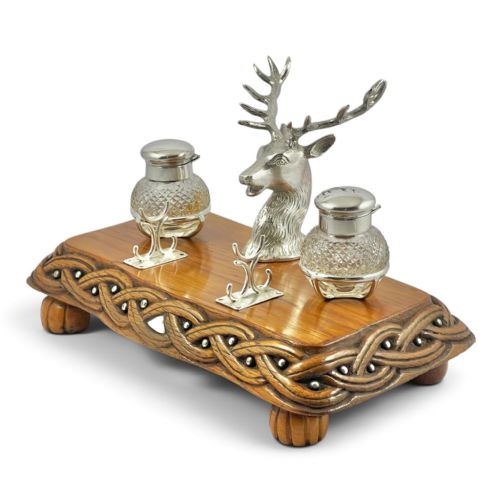
A wood inkwell stand brings together the carved artistry of the Black Forest style and the rich grains of Victorian coromandel and oak. When you search for a wood inkwell stand, you encounter pieces designed to hold ink and pens upon a desk, taking the form of desk tidies, inkstands, and desk sets.
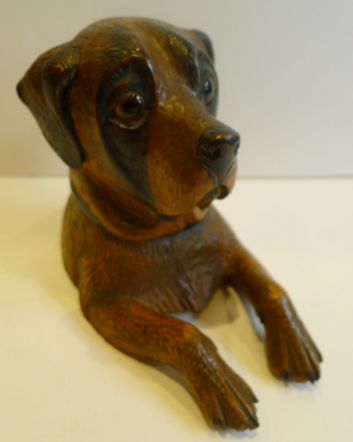
The versions most frequently met on this page date from the Victorian era, spanning from the mid-nineteenth century up to nineteen hundred. These desk accessories range from solid oak and ebonised wood to intricately carved animal figures including owls, cats, dogs, and eagles.
How they were made
Maker's hands shaped these pieces using dense timbers such as coromandel, oak, and linden wood, often pairing the carved woodwork with brass mountings and fitted glass inkwells. Skilled artisans applied relief carving techniques to depict natural subjects like birds and animals in deep detail.
Some examples incorporate inlaid mother of pearl or silver mounts, combining precious metals with robust wooden frames to create lasting desk furniture.
Wood Inkwell Stand Retail Price Guide 2026
Typical asking prices for wood inkwell stand among the pieces listed under this phrase on Sellingantiques today, from the lower quarter to the upper quarter. They describe what is for sale here now, not the wider market.
Carved wooden owls and watchful dogs stand ready on these desks, holding ink for letters that writers penned centuries ago.
What varies in quality
Quality in these stands rests upon the depth and animation of the wood carving, particularly in Black Forest figural pieces where the expression of an animal defines the work. The choice of timber also dictates the standard, with richly figured coromandel and solid oak sitting at a higher level than simpler ebonised woods.
The integration of fitted elements, such as matching glass liners and secure brass hinges, separates standard desk accessories from pieces bearing finer workshop provenance.
Maison F. Mack
The Wood Inkwell Stand Glossary
- Black Forest style
- A style of wood carving originating from the Swiss and German mountain regions, famous for realistic depictions of animals and foliage. This work relies on deep relief carving and naturalistic textures.
- Coromandel wood
- A dense, heavily figured exotic timber from Southeast Asia, prized for its dark brown colour and contrasting stripes. Cabinet makers used this wood for luxury Victorian desk accessories.
- Desk tidy
- A compartmented tray or stand designed to hold stationery, pens, and inkwells in an orderly fashion. These pieces served a central role in nineteenth-century correspondence.
- Inkstand
- A complete desk accessory comprising one or more inkwells along with dedicated resting space for pens. These pieces often incorporated candlesticks or stamp boxes.
- Ebonised wood
- Timber treated with a dark stain or finish to imitate expensive ebony. This technique was popular in Victorian manufacturing for creating a stark contrast with brass fittings.
Wood Inkwell Stand: Frequently Asked Questions
What is a wood inkwell stand used for?
These stands provided a stable base for glass inkwells and pens on a Victorian writing desk. They kept writing materials organised and protected the desktop from ink spills.
Today, they function as decorative desk accessories or collectors' items that add nineteenth-century character to a study.
How do I date a wooden ink stand?
Dating relies on examining the timber, the style of carving, and the materials used for the inkwell inserts. Victorian pieces often feature coromandel, oak, or characteristic Black Forest animal carvings.
Hardware such as brass hinges and the type of glass used in the inkwells also provide clues to the manufacturing decade.
What is Black Forest carving?
Black Forest carving refers to highly detailed wooden sculptures and decorative objects produced in central Europe during the nineteenth century. These pieces typically feature local animals, birds, and natural foliage rendered with realistic textures.
Animals such as dogs, cats, owls, and eagles are common subjects in this carving tradition.
Are the glass inkwells usually original?
Many pieces retain their original glass inserts, often featuring brass collars or hinged lids that match the desk stand. Finding a piece with its matching glass intact enhances its completeness.
Replacement glass inserts do appear, as the fragile nature of glass meant originals could easily break over decades of use.