




Wood Game Board
A wood game board brings tactile warmth and historical play into a room, offering both a functional surface and a piece of social history.
Wood Game Board
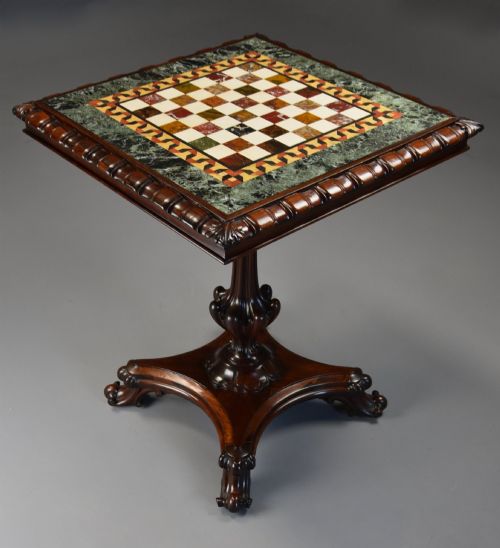
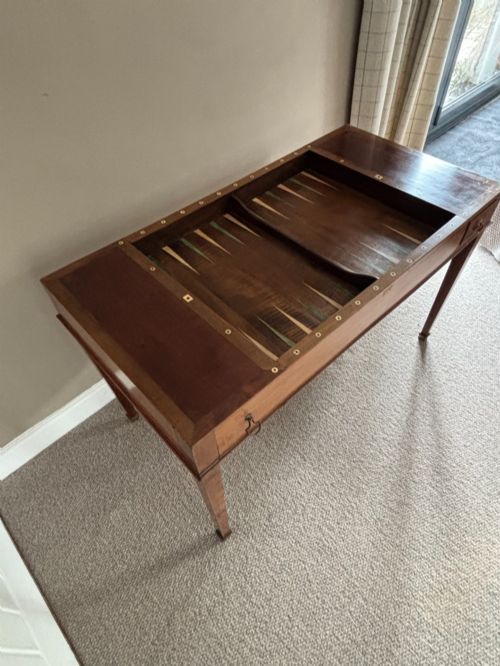
The selection also extends to larger furnishings such as Regency and Georgian games tables, alongside folk art items like carnival fairground panels and targets. Specialised scoring boards for billiards and snooker further broaden the category, reflecting the era's dedication to parlour pastimes.
Origins span English workshops alongside specific regional styles, including Ottoman Revival and pieces attributed to makers like Gillows. Whether looking for a compact folding board or a multi-functional games compendium, collectors find objects designed for daily interaction.
Materials and construction
Cabinetmakers utilised rich timber varieties such as rosewood, mahogany, walnut, and burr walnut for the primary structures and tabletops. Contrasting woods like boxwood and satinwood provided the light squares and detailed highlights necessary for visible play.
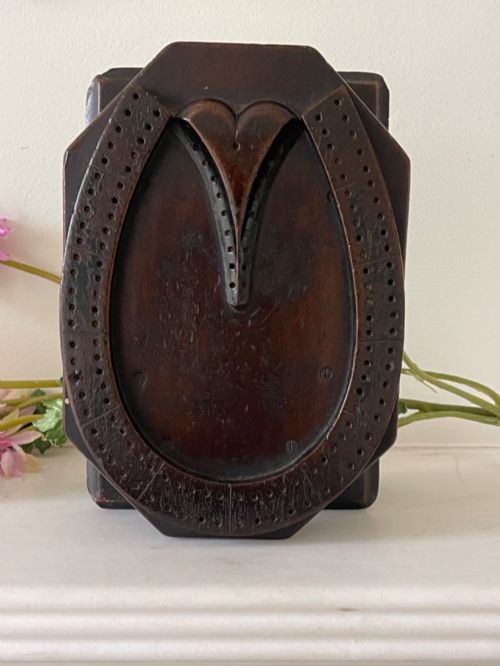
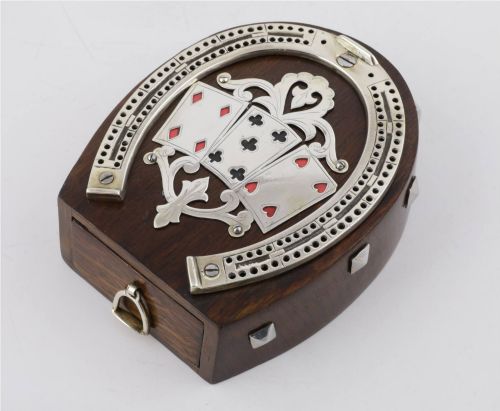
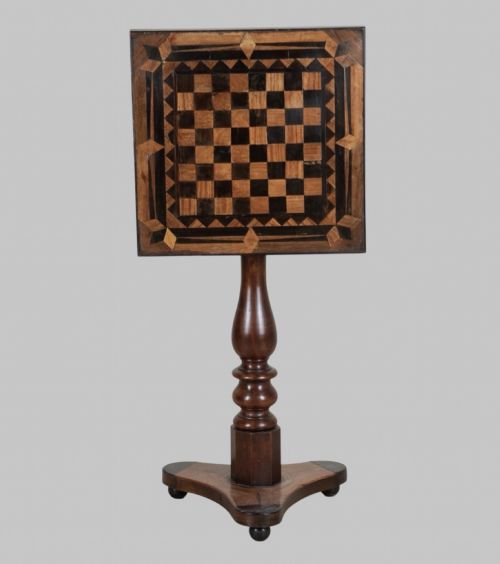
Inlay and wood inlay techniques formed the precise geometric grids for chess and backgammon, while specialised regional techniques such as Tunbridge Ware created intricate mosaic patterns. Brass hardware supported folding mechanisms, hinges, and cribbage board details on portable boxes.
Wood Game Board Retail Price Guide 2026
Typical asking prices for wood game board among the pieces listed under this phrase on Sellingantiques today, from the lower quarter to the upper quarter. They describe what is for sale here now, not the wider market.
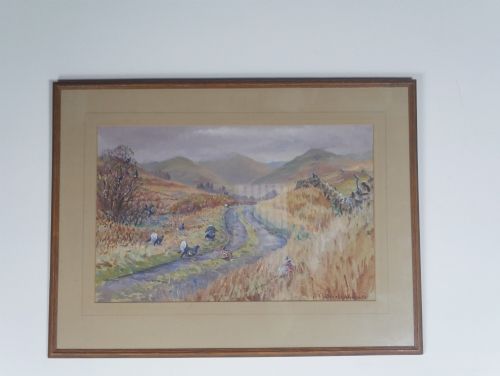
Early fairground targets and game panels demonstrate that historical gaming stretched far beyond the parlour into lively outdoor spectacle.
Judging quality in wood game boards
The distinction between standard examples and superior pieces rests on the precision of the timber selection and the execution of the inlay work. Finer items display seamless integration of contrasting woods like boxwood and rosewood, maintaining tight joints across folding leaves and removable boards.
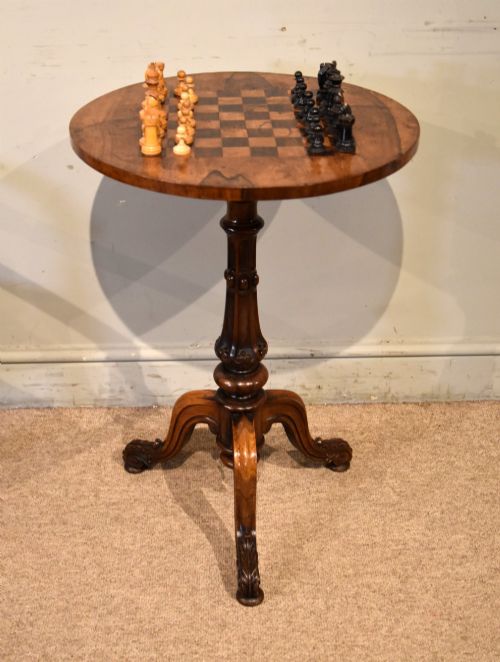
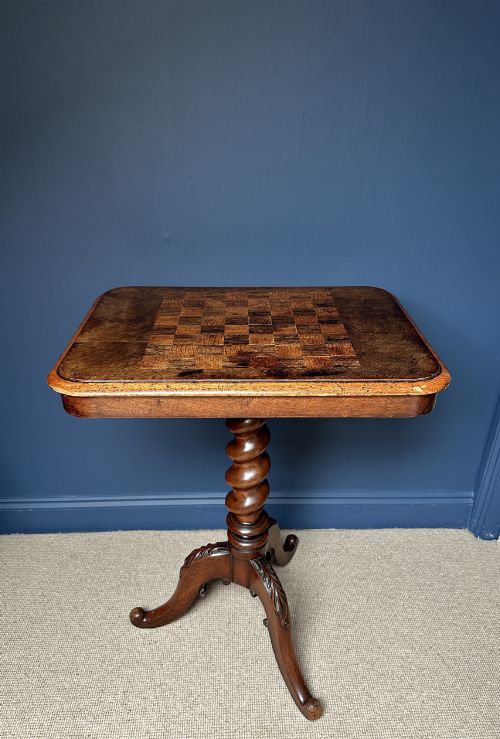
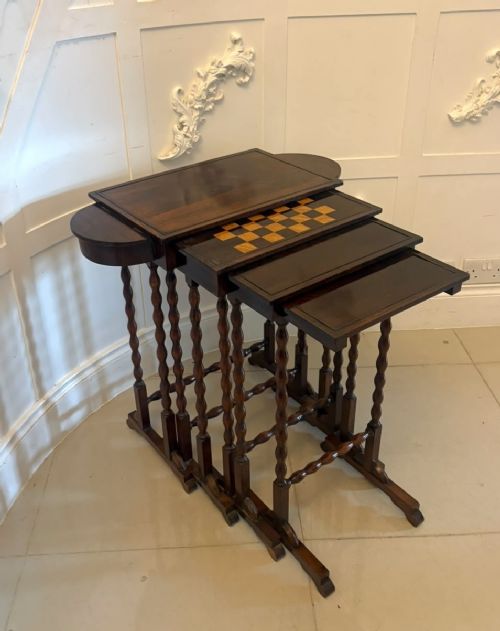
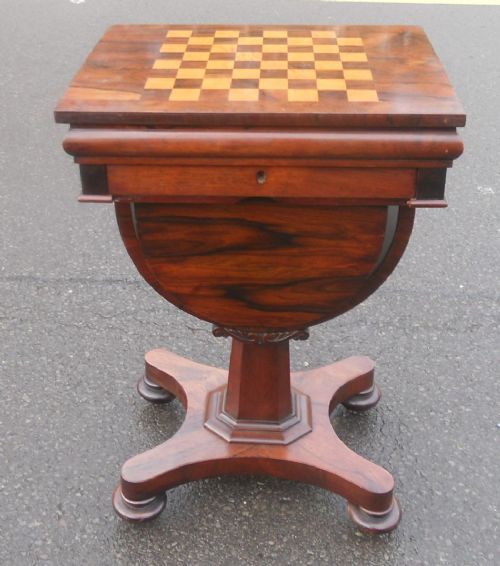
Design sophistication also elevates certain examples, particularly where tables serve multiple functions such as combined writing desks or nesting tables with integrated chess boards. The presence of well-turned pedestals, carved centre supports, or specialised maker attributions separates standard utility items from exceptional furniture.
Gillows·Thurston & Co Ltd·Cox & Yeman London·British Chess Company
The Wood Game Board Glossary
- Tunbridge Ware
- Woodware decorated with tiny mosaic tiles assembled from different coloured woods to form geometric or pictorial patterns. This technique appeared frequently on Victorian boxes.
- Cribbage board
- A board featuring tracks of small holes used to score points in the card game cribbage. These appear both as standalone sliding boxes and integrated into larger tables.
- Compendium
- A multi-game box containing equipment for several different pastimes, such as chess, backgammon, and draughts. These portable sets gathered various boards and pieces under one lid.
- Tripod table
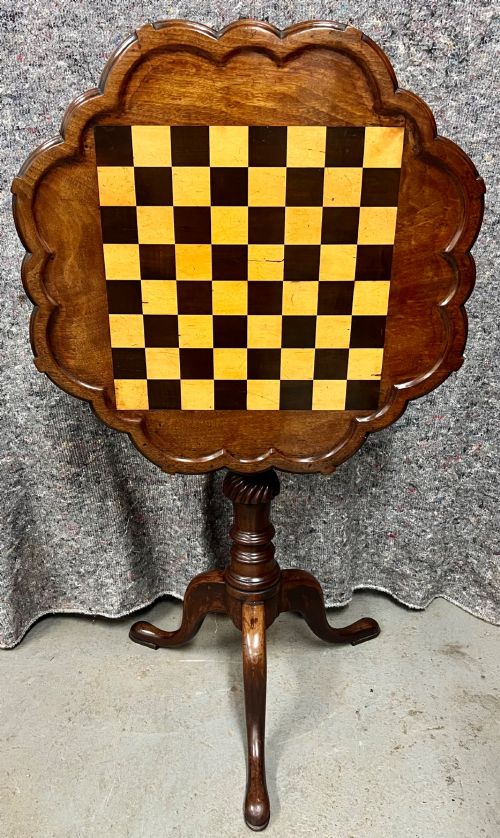
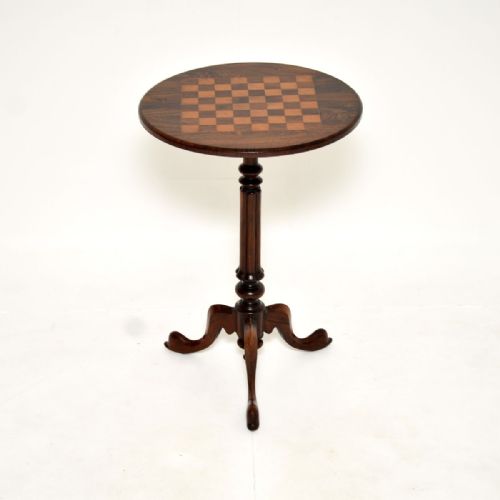
- A small occasional table supported by a central pillar on three feet. Many examples feature inlaid chess boards directly on the tilt-top surface.
- Bagatelle
- A precursor to modern billiards played on a felt-covered board with wooden cues and balls. Scoring boards and specialised tables record this popular 19th-century pub game.
Wood Game Board: Frequently Asked Questions
How do I date a wood game board?
Dating relies on observing timber choices, construction techniques, and stylistic markers such as Georgian proportions or Victorian carving. Secondary elements like brass hinges and boxwood inlays also provide clues.
Comparing the piece to documented examples from periods like the Regency era helps narrow down the decade of manufacture.
Were these boards used for travel?
Many smaller boards and compendiums were specifically designed for travel, featuring compact folding designs and secure compartments for pieces. These allowed Victorians to play chess or backgammon on journeys.
Portable cribbage boxes and folding chess sets represent this mobile tradition.
How do I care for antique wood game boards?
Care involves maintaining stable indoor humidity to prevent the natural wood and delicate inlay work from warping or cracking. Gentle dusting preserves the surface without harming historical patinas.
Avoiding direct sunlight protects sensitive timbers like rosewood and satinwood from fading over time.