



Wood Framed Sketch
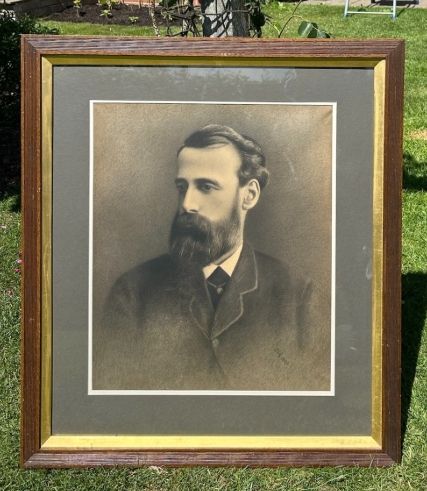
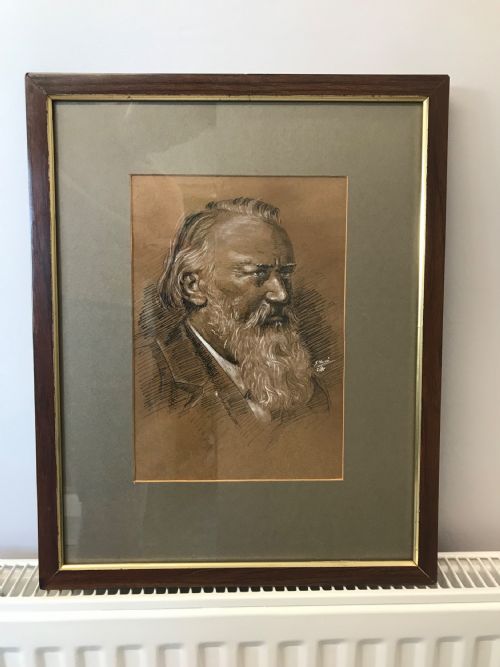
A wood framed sketch brings immediate character to a wall, offering direct contact with an artist's hand through rapid line and tone.
Wood Framed Sketch
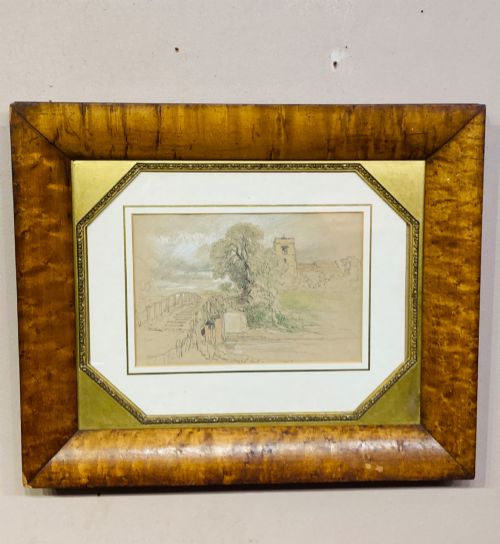
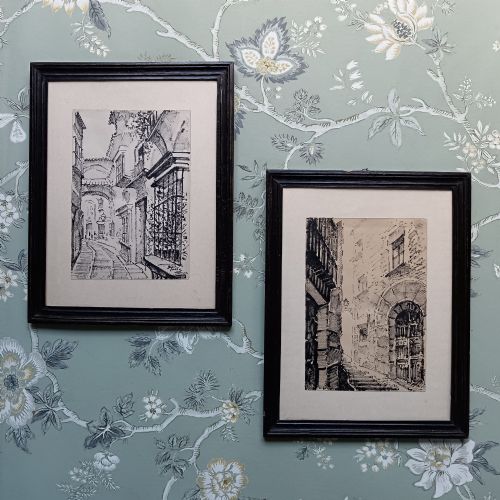
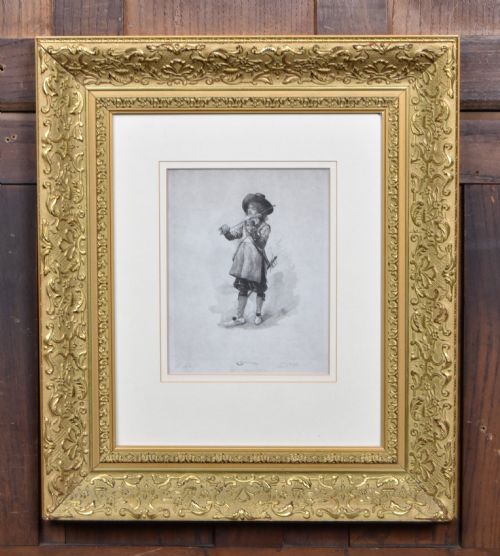
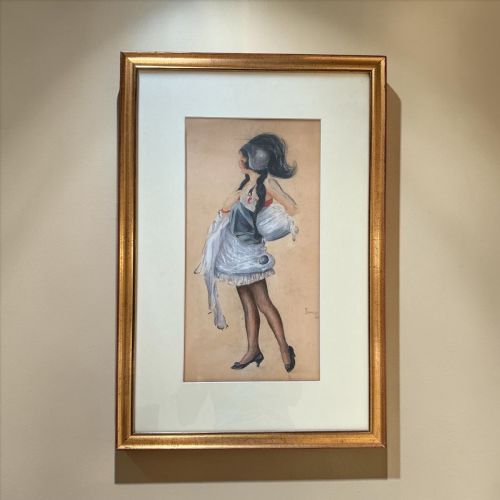
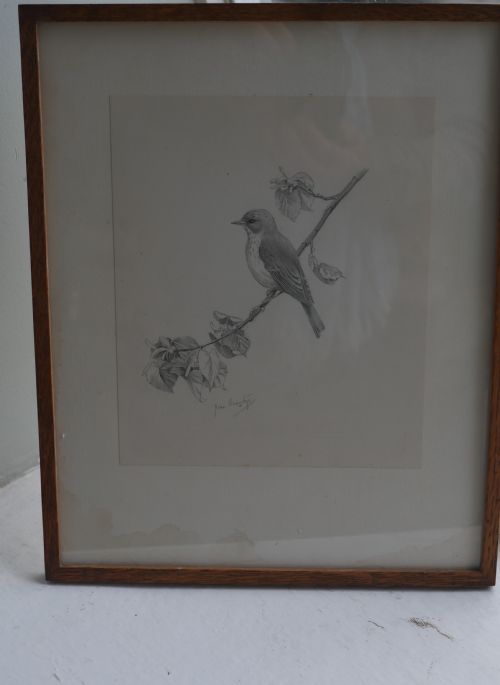
When you search for a wood framed sketch, you are looking at works on paper captured in graphite, charcoal, ink, pastel, or watercolour. These pieces span from the Regency era through to the mid-twentieth century, encompassing academic studies, natural history illustrations, and portraits.
The framing varies considerably across the selection, ranging from simple mouldings to late eighteenth-century gilt rectangular scroll mounted frames. Many pieces present portraits of gentlemen, ladies, and children, alongside architectural drawings and atmospheric landscapes.
You are most likely to encounter nineteenth-century examples and twentieth-century studies preserved behind glass. These works record moments of observation, from quick pencil sketches of birds to finished life drawings.
Materials and technique
The foundation of these works is paper, upon which artists applied graphite, charcoal, ink wash, gouache, or pastel. Draftsmen utilised pen and ink or fine pencils to build tone and line before enclosing the finished work within wood or gilt wood frames.
Frames play a structural and aesthetic role, constructed from timber mouldings that are sometimes gilded or carved with scroll details. Glazing is typically fitted over the paper to protect delicate charcoal and pastel surfaces from atmospheric moisture and handling.
Wood Framed Sketch Retail Price Guide 2026
Typical asking prices for wood framed sketch among the pieces listed under this phrase on Sellingantiques today, from the lower quarter to the upper quarter. They describe what is for sale here now, not the wider market.
One architectural drawing records the precise hand of seventeen-year-old H. H. Wyatt at the South Kensington School.
Distinguishing quality in works on paper
Quality rests upon the sureness of the draftsmanship and the vitality of the initial line. A confident pencil stroke or a dynamic wash separates a routine school exercise from a compelling artistic study.
The relationship between the artwork and its enclosure dictates visual success. Finer pieces retain their original or period-appropriate wood and gilt frames, which complement the scale and tone of the drawing within.
P. Ruiz·Johannes Brahms·Augustus Edwin John·Pio Panfili·George Richmond
The Wood Framed Sketch Glossary
- Graphite
- A form of carbon used as a drawing medium in pencils. It allows for varied line weights and delicate tonal shading.
- Charcoal
- A dry drawing material made from burnt organic matter. It produces deep blacks and easily blended shadows.
- Gouache
- An opaque water-based paint containing pigment and a binding agent. It provides solid areas of flat colour and bright highlights on paper.
- Wash
- A diluted layer of ink or watercolour brushed across paper. It establishes broad atmospheric tones and background depth.
- Pastel
- A drawing medium consisting of powdered pigment and a binder rolled into sticks. It delivers rich, velvety colour and soft textures.
Wood Framed Sketch: Frequently Asked Questions
How should I hang a framed sketch?
Keep works on paper out of direct sunlight to prevent the paper from yellowing and the mediums from fading.
Hang them at eye level in rooms with stable humidity to protect both the frame and the drawing.
Are these sketches original works?
The selection includes hand-drawn works in pencil, charcoal, ink, and pastel, alongside occasional period prints.
Each listing specifies the exact medium used by the artist to create the piece.
How do I identify the period of a frame?
Frame styles range from Regency mouldings to late eighteenth-century gilt scroll designs and simple twentieth-century timber.
Construction details, joinery, and the type of gilding or wood finish help determine the age of the enclosure.
Can I remove the drawing from its frame?
Opening historic frames risks damaging delicate paper surfaces, fragile charcoal, and nineteenth-century glass.
It is best to leave the drawing sealed within its protective housing to preserve its condition.