


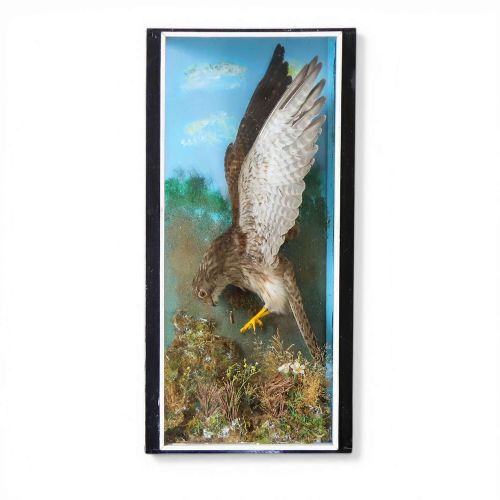
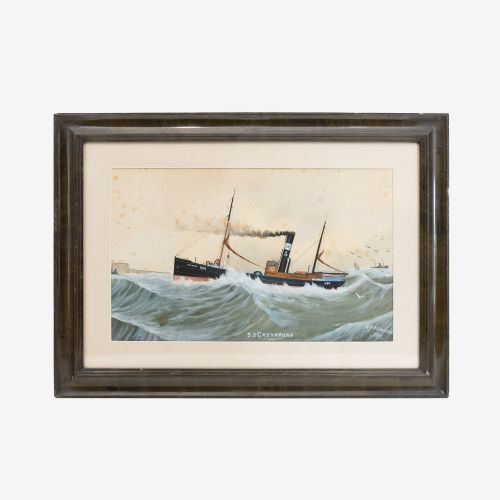

Wood Framed Glass Painting
A wood framed glass painting brings together delicate reverse-painted imagery and traditional carpentry, offering a decorative wall piece with notable historical depth.
Wood Framed Glass Painting
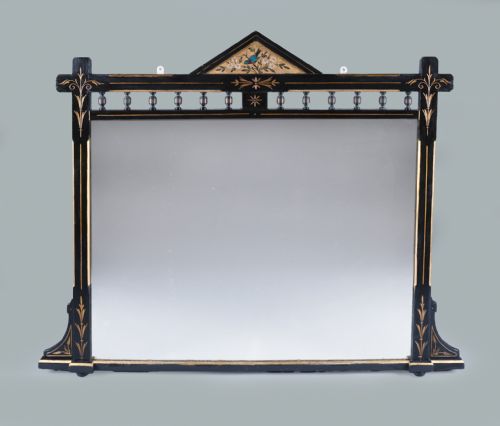
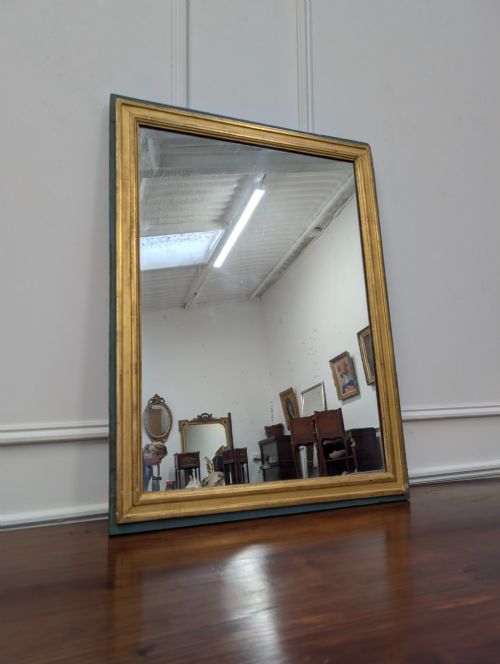
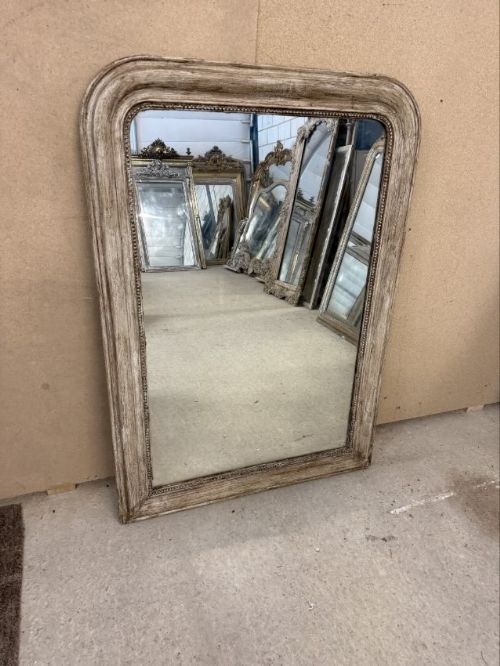
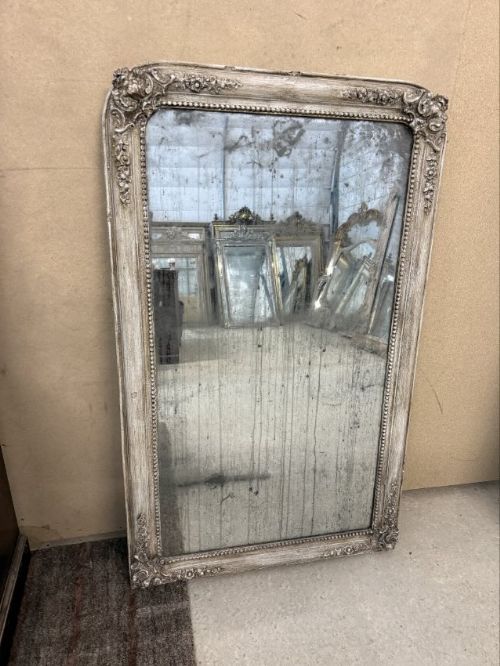
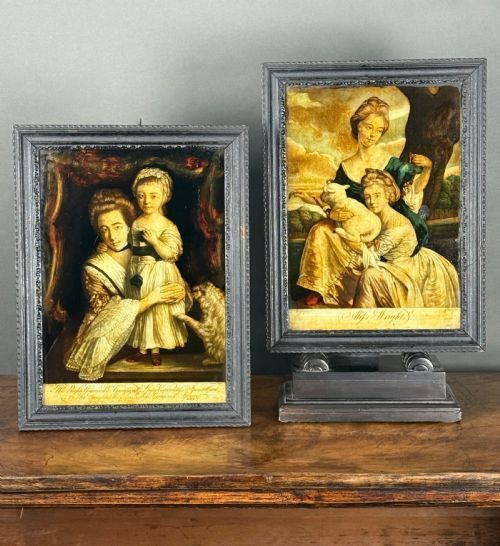
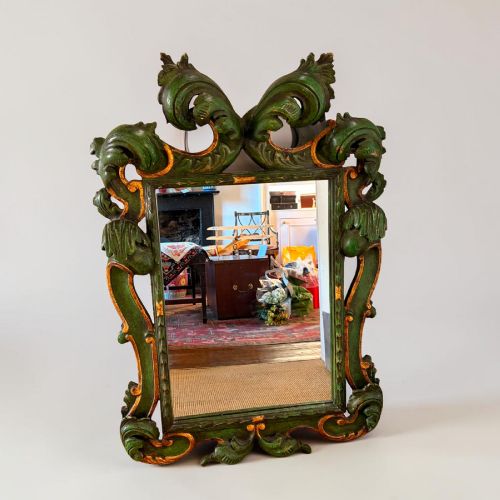
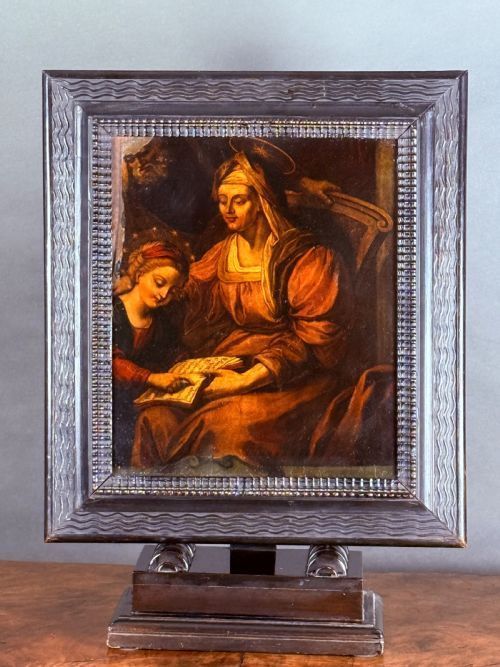
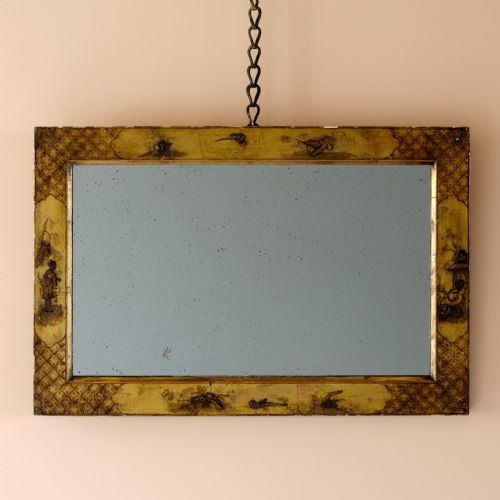
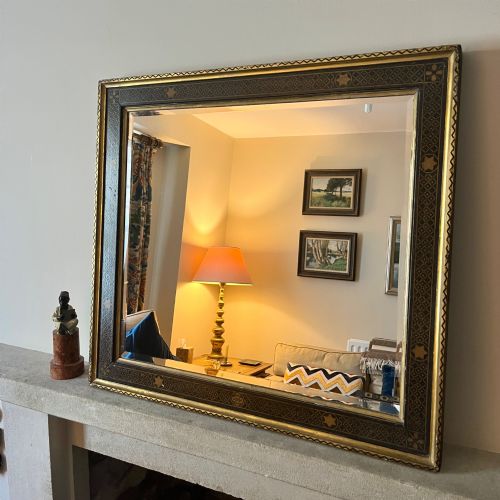
When you search for wood framed glass painting, you encounter a selection of decorative items that combine painted glass panels, reverse glass prints, and mirror glass held within wooden frames. These works span from the Georgian period through the 19th century and into the early 20th century, encompassing diverse regional styles such as Italian Rococo, French Provincial, and English traditional designs.
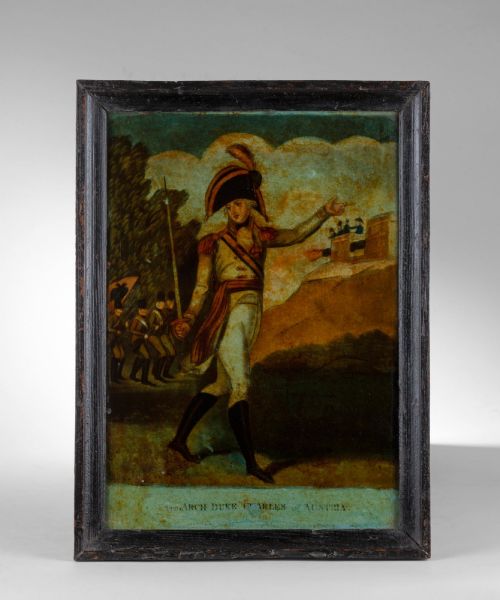
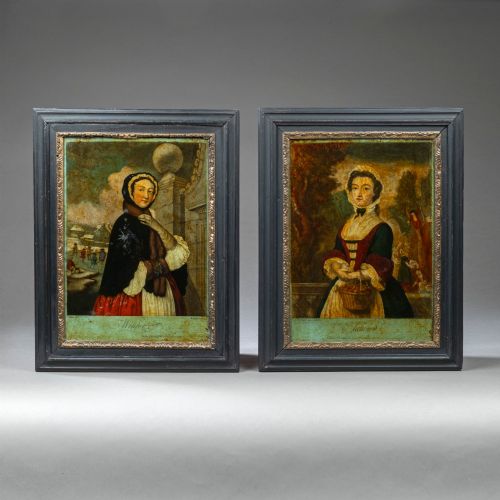
The most common forms on this page include reverse glass prints, painted mirror plates, and framed wall art utilising glass and painted wood. Examples range from devotional religious subjects and classical portraits to decorative pastoral scenes and still lifes, housed in timber structures that vary from simple painted mouldings to carved and gilded gesso frames.
How they were made
Makers constructed these pieces by applying paint, mezzotint transfers, or gilding directly onto sheets of glass, often working in reverse so the final image appeared correctly when viewed through the front. This technique required precise brushwork and adherence, as mistakes on the glass surface were difficult to correct once laid down.
The surrounding woodwork utilised timber such as oak, satinwood, or general hardwoods, frequently enhanced with carved gesso, gold leaf, or painted finishes. Frames were built to securely hold the glass panel, sometimes incorporating mirror glass or secondary paper backings to protect the fragile artwork within.
Wood Framed Glass Painting Retail Price Guide 2026
Typical asking prices for wood framed glass painting among the pieces listed under this phrase on Sellingantiques today, from the lower quarter to the upper quarter. They describe what is for sale here now, not the wider market.
Object types include wall mirrors, overmantel mirrors, reverse glass paintings, prints, and framed art across English, French, and Italian styles.
What varies in quality
Quality in these works rests upon the crispness of the reverse-painted detail and the preservation of the original glass surface. Finer examples display meticulous brushwork, stable pigment adherence without extensive flaking, and minimal degradation of the underlying silvering or paint layers.
The construction of the wooden frame contributes significantly to the overall merit of the piece. Superior items feature hand-carved gesso detailing, original gilding, and sound joinery that has held the glass secure across centuries, whereas lesser examples show crude timber alterations or modern replacement frames.
Alexander Harwood·Stuart Armfield R.A·Takabatake Kasho·Abraham Cooper
The Wood Framed Glass Painting Glossary
- Reverse glass painting
- An artwork created by applying paint or prints to the back of a glass panel so the finished picture is viewed through the front. This technique protects the pigment from dust and environmental wear.
- Gesso
- A plaster-like mixture applied to wooden frames as a smooth base for subsequent gilding or painting. It allowed artisans to shape intricate relief ornamentation.
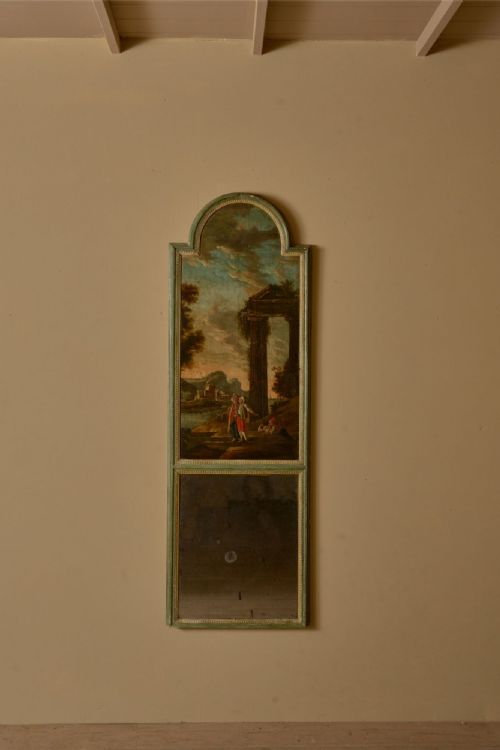
- Trumeau mirror
- A wall mirror paired with an upper panel containing a painting or carved relief. These decorative architectural pieces became popular in French interiors.
- Mezzotint
- A printmaking process that achieves rich tonal gradations, sometimes adapted for transfer onto glass surfaces. It produces soft shadows and detailed figurative representations.
- Gold leaf
- Hammered gold beaten into extremely thin sheets and applied to wooden frames using a size adhesive. It provides a durable metallic lustre.
Wood Framed Glass Painting: Frequently Asked Questions
Are these paintings fragile?
The combination of glass and aged timber requires careful handling during movement or re-hanging. The painted layer sits on the rear of the glass, making it vulnerable to scratching if the backing board is removed.
Secure the frame firmly to the wall using appropriate fixings suited to the weight of the timber and glass. Avoid areas subject to vibration or sudden temperature shifts.
How do I date a frame?
Examine the construction methods of the wood, the type of gesso used, and the style of carving or moulding. Georgian and 19th-century frames often employ hand-cut joinery and traditional preparation layers that differ from later manufacturing techniques.
Look at the reverse of the piece for original paper backings, old fixings, or handwritten labels. Compare the frame style with the characteristics of the glass painting it encloses to confirm period consistency.
What is reverse glass painting?
Reverse glass painting involves applying pigments to the rear side of a glass sheet so the composition reads correctly from the front. Artisans had to paint fine details and highlights first, finishing with background layers.
This method yields a glossy, reflective surface finish unique to the medium. Historic examples often depict religious subjects, portraits, or allegorical scenes popular in the 18th and 19th centuries.