
Wood Framed Armchair
A wood framed armchair provides solid structural support paired with upholstered comfort, spanning periods from the seventeenth century to the mid-twentieth century.
Wood Framed Armchair
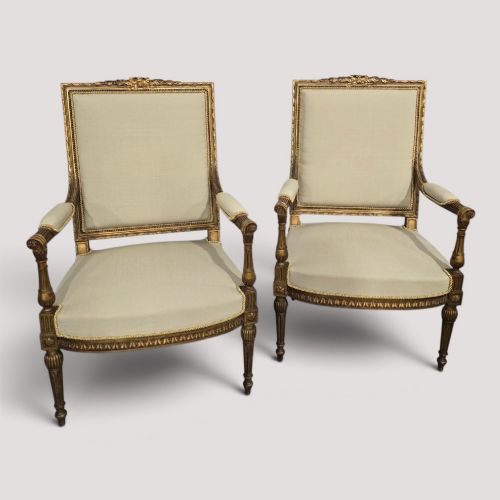
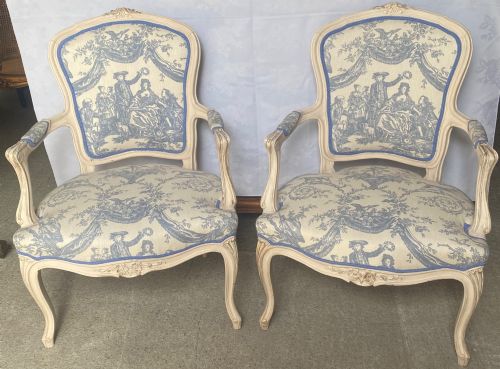
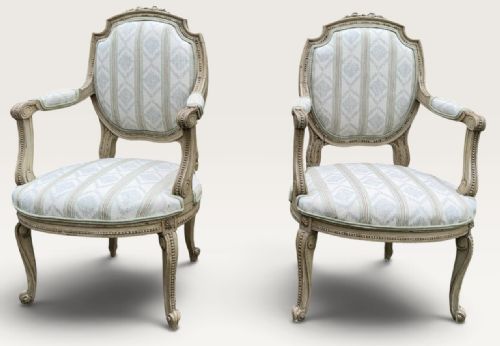
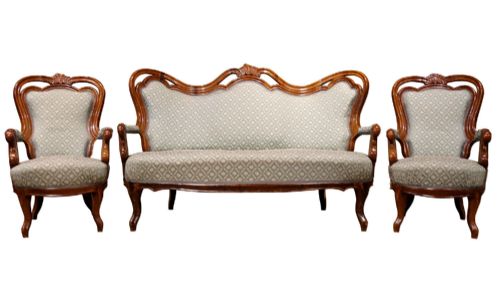
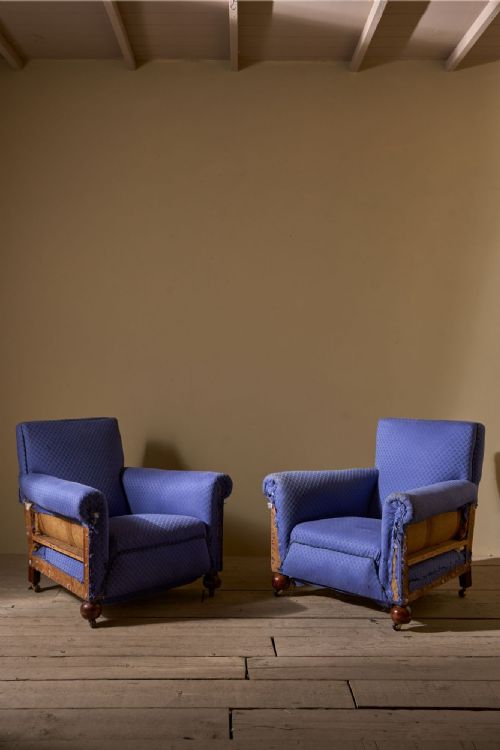
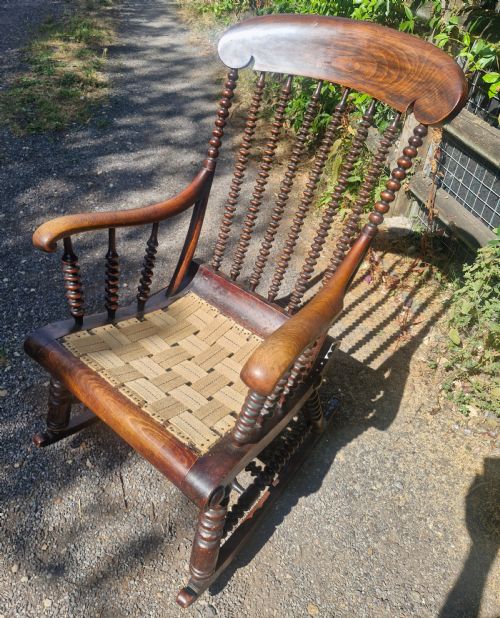
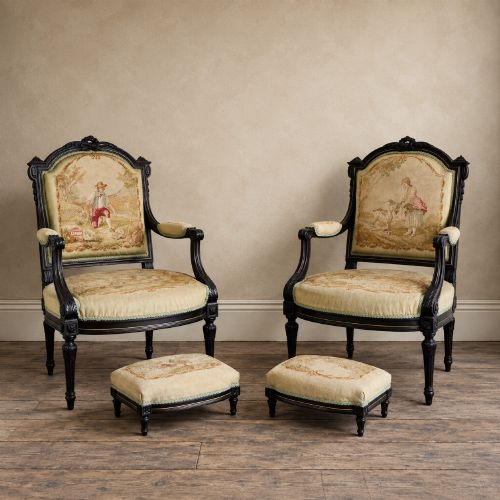
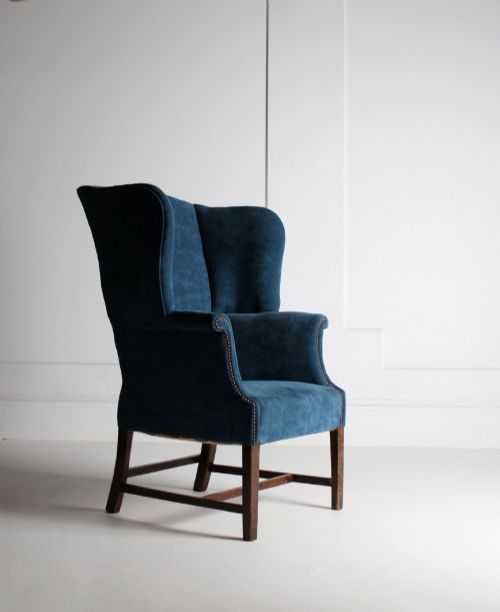
Forms vary from robust desk chairs and fireside seating to elaborate salon suites, rocking chairs, and folding chairs. Walnut, mahogany, beech, and hardwood frames dominate the inventory, frequently paired with fabric, velvet, or original paint finishes.
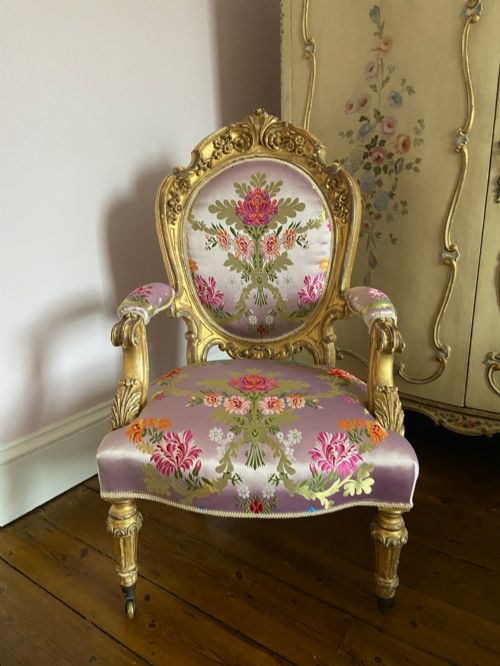
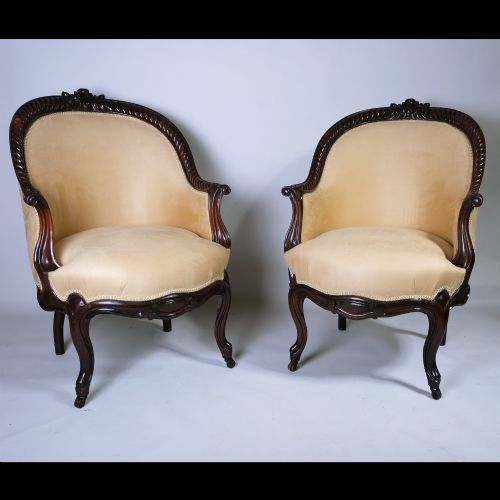
Continental pieces, particularly French styles including Louis XV and Louis XVI revivals, appear frequently alongside English country house armchairs and occasional exotic frames utilising teak, goncalo alves, or mother of pearl inlay.
How They Were Made
Frames are constructed from dense timbers such as mahogany, walnut, oak, beech, and hardwood, providing rigid structural integrity. Skilled cabinetmakers shaped these woods through carving, turning, and joinery techniques suited to each specific historical period.
Surface treatments range from clear polish on mahogany and walnut to applied giltwood, ebonisation, and original paint. Upholstery methods secure fabrics like velvet and plain textiles directly to the wooden skeleton, occasionally incorporating intricate details like brass accents or rush seating.
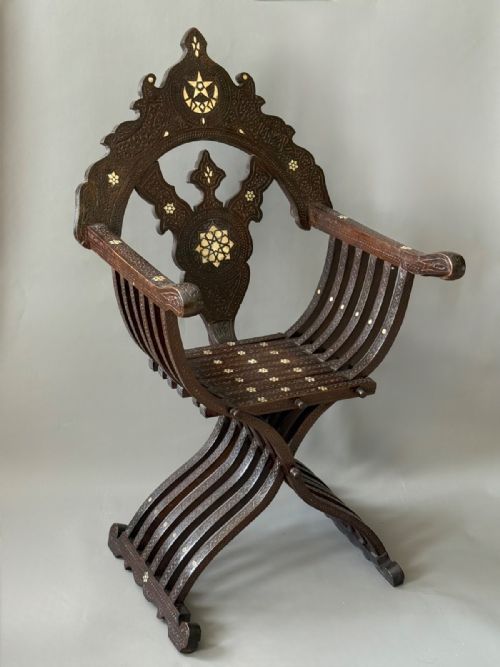
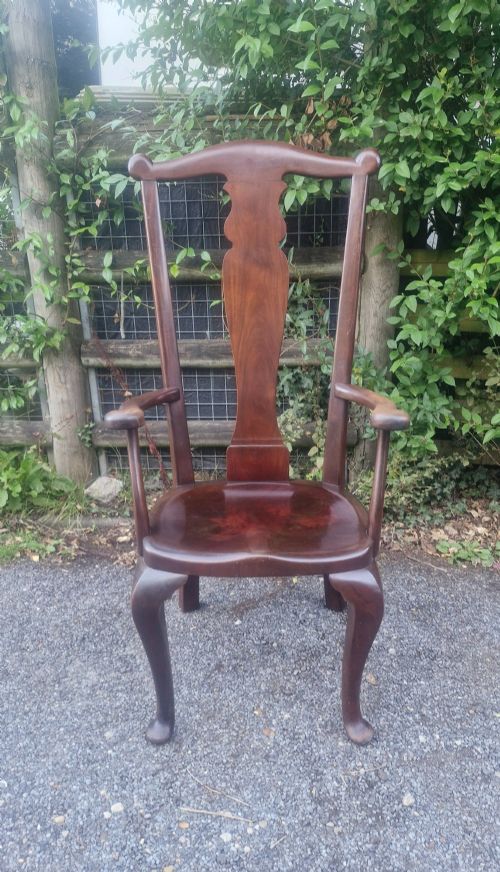
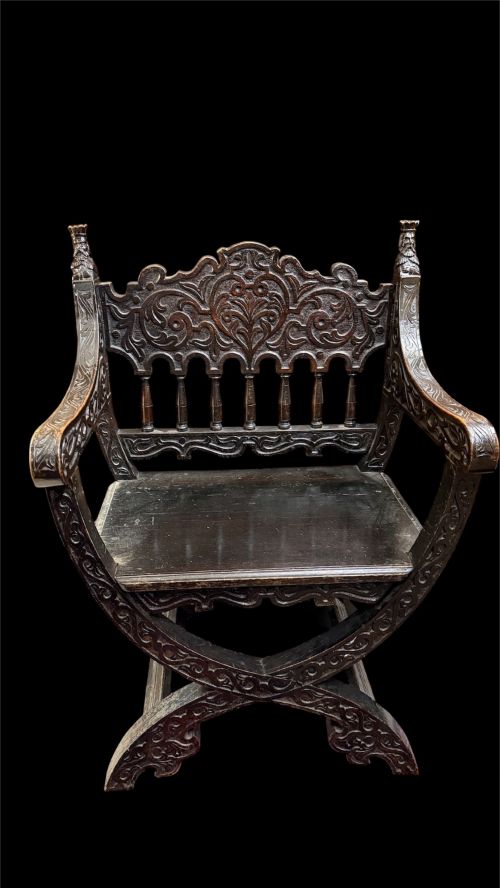
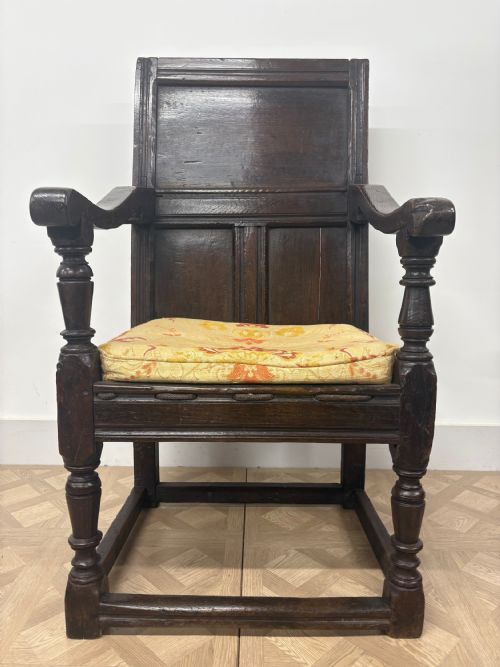
Among the rigid timbers and formal upholstery, a seventeenth-century wainscot chair rubs shoulders with an adventurous folding seat inlaid with mother of pearl.
What Varies in Quality
The degree of hand-carved detail and the selection of timber dictate the distinction between standard and superior pieces. Finer iterations display crisp joinery, thoughtful proportions, and harmonious integration of decorative elements like giltwood or inlaid materials.
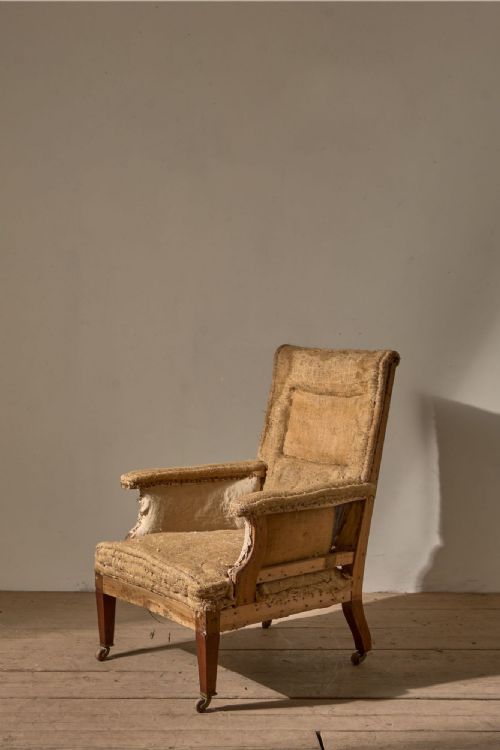
Original finishes and preserved upholstery schemes elevate the desirability of historical pieces. Chairs retaining their authentic paint, patinated timber surfaces, or period-appropriate textiles demonstrate superior historical integrity compared to heavily altered examples.
Gillows
The Wood Framed Armchair Glossary
- Wainscot armchair
- A heavy, solid wood chair originating in the seventeenth century, constructed with panelled backs and sturdy armrests.
- Bergère
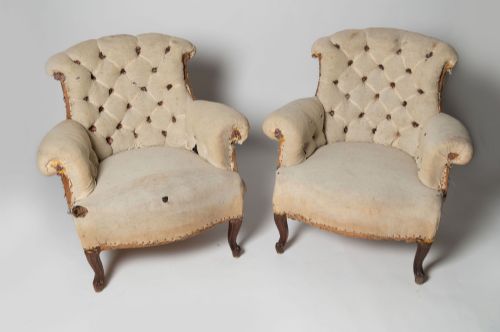
- An enclosed upholstered armchair with wooden framing visible around the sides and back, often originating in France.
- Giltwood
- Timber treated with a thin layer of gold leaf applied over a prepared surface, commonly found on decorative nineteenth-century frames.
- Carver chair
- A traditional dining or desk chair featuring armrests, distinct from side chairs without arms.
- Savonarola chair
- A folding chair constructed from intersecting curved wooden slats, frequently associated with Renaissance revival designs.
Wood Framed Armchair: Frequently Asked Questions
What is a wood framed armchair?
A wood framed armchair is a seat featuring an exposed timber structure combined with upholstered or solid panels. These chairs serve functional seating roles while displaying the cabinetmaking styles of their respective eras.
Designs range from heavy seventeenth-century oak seating to ornate nineteenth-century gilt salon chairs and twentieth-century club chairs. The exposed wood forms the primary aesthetic and structural skeleton of the piece.
How do I identify the period of a chair?
Period identification relies on examining the combination of timber types, joinery methods, and stylistic revival motifs. Seventeenth-century pieces typically utilise heavy oak, whereas nineteenth-century items frequently feature walnut, mahogany, or beech.
Stylistic cues such as Louis XV curves, Edwardian proportions, or Victorian carving provide further chronological markers. Comparing the structural framing details against documented historical forms helps confirm the date.
Where should I place a salon armchair?
Salon armchairs suit formal reception spaces, drawing rooms, or bedrooms where decorative presence is desirable. Their lighter scale compared to heavy fireside seating allows for flexible placement within conversational groupings.
Pairing these chairs with matching settees or placing them independently against a wall highlights their carved wooden frames and upholstered details.
Are these chairs suitable for daily use?
Many historical armchairs function well for daily seating when the underlying wooden frame remains stable and sound. Robust mahogany and walnut frames offer strong structural support for regular sitting.
Buyers should assess the rigidity of the joints and the condition of the upholstery support to ensure the chair meets practical everyday requirements.