
Wood Engraving Art
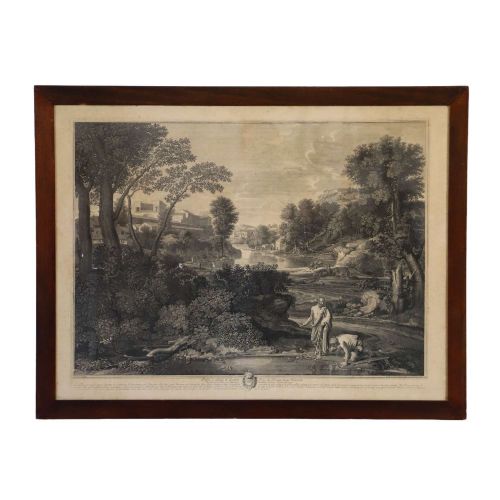
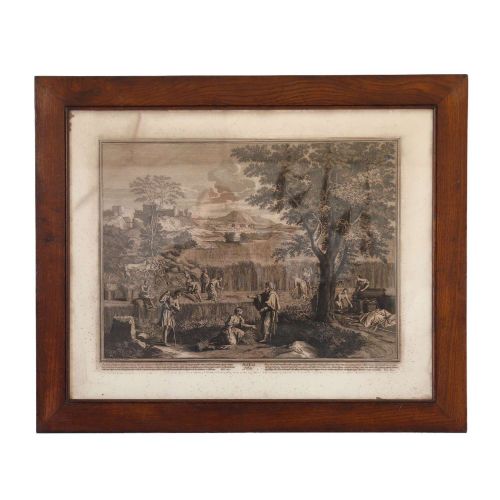
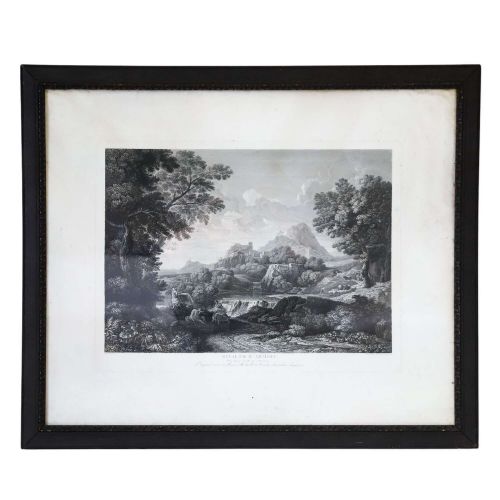
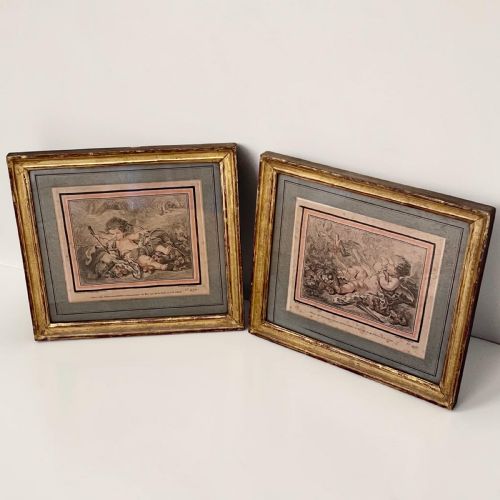
Wood engraving art brings together centuries of printed plates, maps and portraits framed for display.
Wood Engraving Art
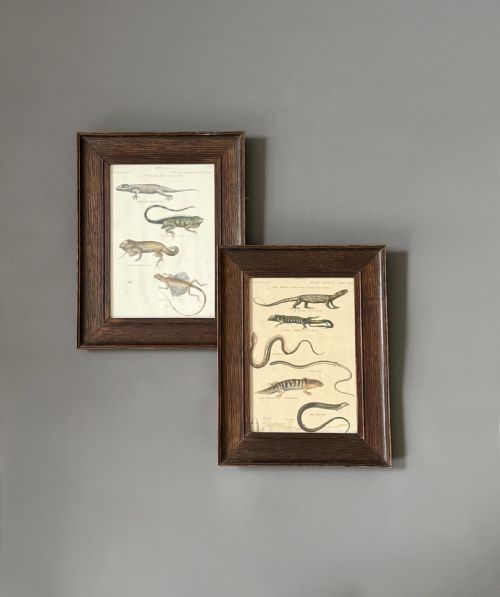
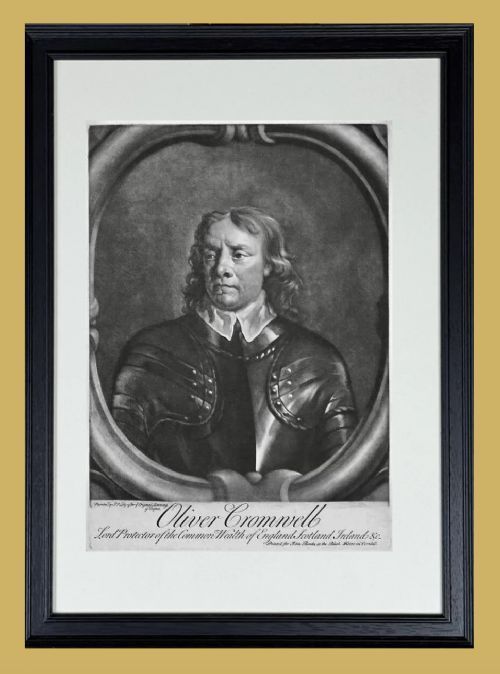
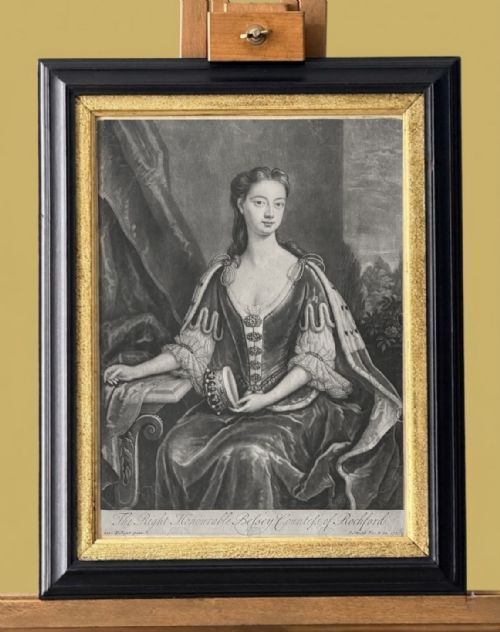
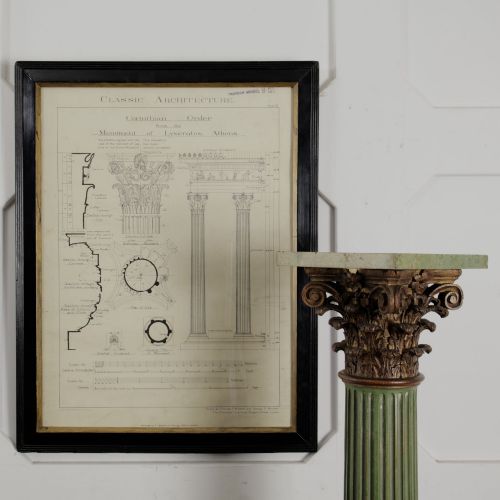
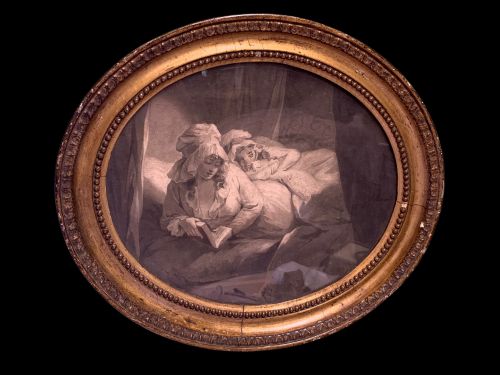
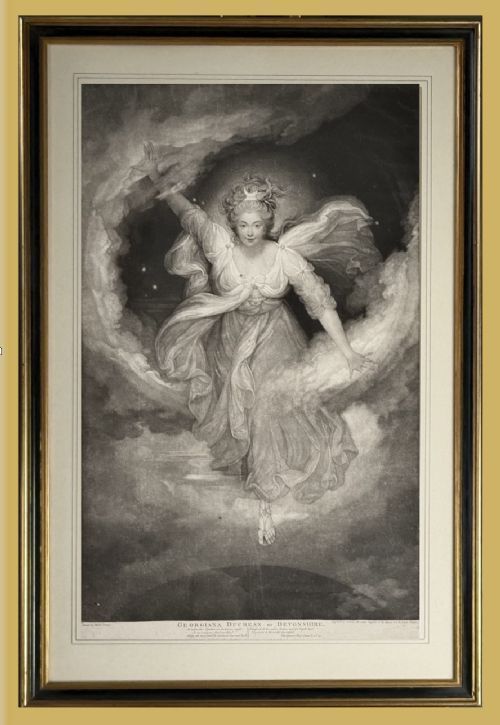
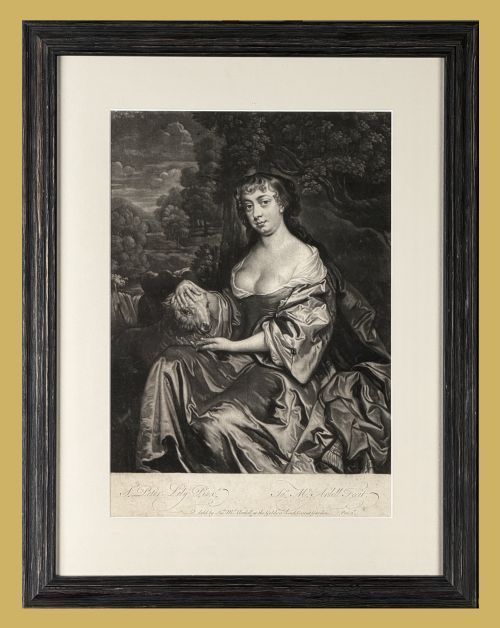
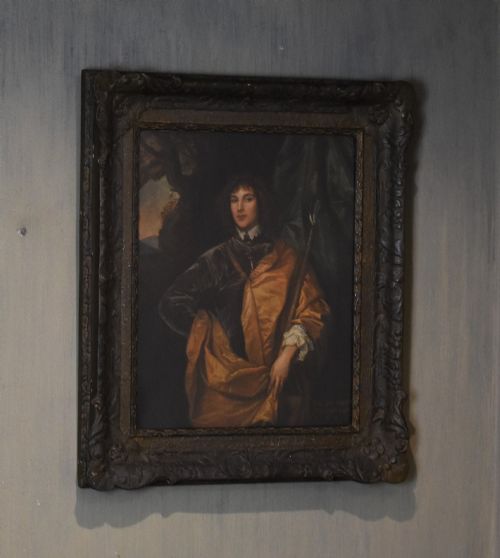
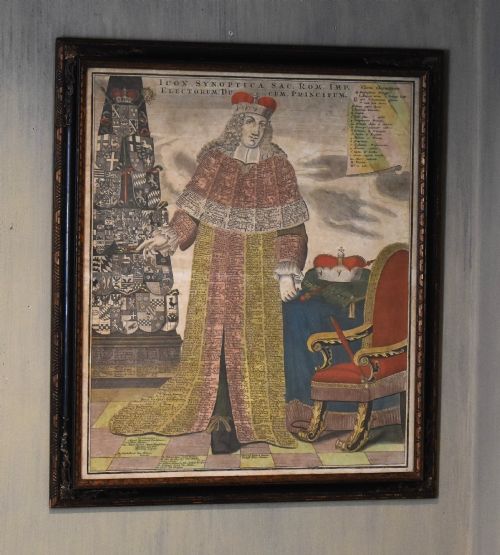
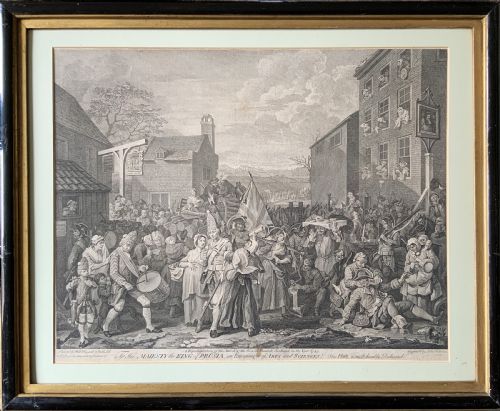
When you search for wood engraving art, you encounter historical printed works framed as wall art, ranging from 17th-century portraits to 19th-century natural history plates and cartography. The selections on this page span Georgian, Victorian and Regency periods, encompassing French engravings, English maps and architectural studies.
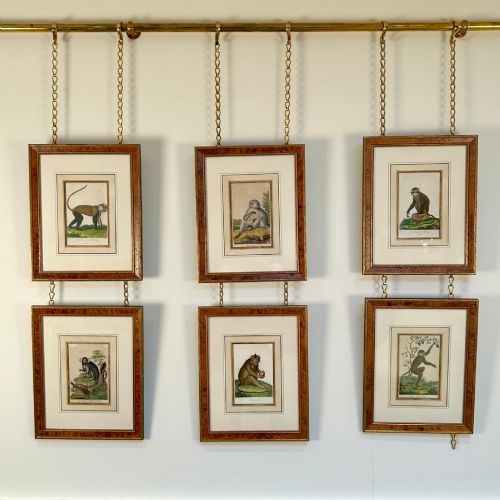
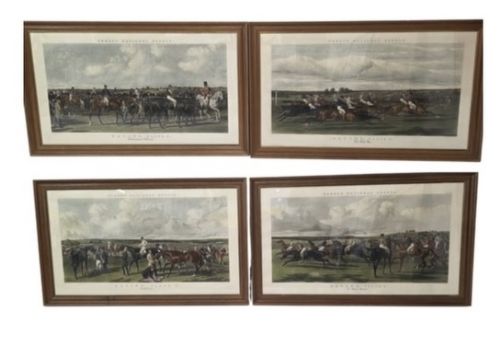
Most pieces take the form of framed prints, wall art and maps housed in period frames of wood, gilt and burr wood. Subjects stretch from horse racing sets and naval docks to botanical and animal studies, offering a direct view into historical printmaking.
Materials and technique
The primary mediums involve ink on paper, frequently enhanced with hand-colouring or tinting using watercolours. Frames utilise wood, giltwood, brass and glass to protect the delicate paper sheets.
Printing techniques combine traditional engraving, mezzotint and etching methods executed by skilled makers working from original paintings or drawings. Plates are pressed onto laid or wove paper, then mounted within period timber or gilded surrounds.
Several monkeys and reptiles made the cut alongside dukes and admirals.
Assessing quality and preservation
Quality rests upon the crispness of the ink impression and the depth of the plate mark visible on the paper. Stronger prints retain fine lines and subtle tonal gradients without fading or heavy foxing.
The integrity of the original frame adds significantly to the piece, particularly when period giltwood, burr wood or brass mounts remain intact alongside the artwork.
William Bird MD FLS·John Bowles·John Smith·Valentine Green·James Macardell·Étienne Baudet·Demarteau·Luke Sullivan·Thomas G Appleton·Jonathan Couch·Gustave Doré·Adolphe Pannemaker·Francesco Piranesi·Antonio Capellan
The Wood Engraving Art Glossary
- Mezzotint
- A printmaking process where the copper plate is roughened uniformly to produce rich dark tones and smooth gradations of light. It allows for subtle portraits with deep shadow work.
- Plate mark
- The indentation left on paper by the edge of the printing plate under pressure. Its presence confirms an authentic traditional impression.
- Foxing
- Brown spots on older paper caused by chemical reactions over time. Collectors look at the extent of these marks across the printed surface.
- Cartography
- The study and practice of making maps. Antique examples often feature hand-tinted borders and geographical details from specific centuries.
- Etching
- A method where lines are bitten into a metal plate with acid before printing. This technique produces fine, fluid lines compared to direct engraving.
Wood Engraving Art: Frequently Asked Questions
How do I date an antique engraving?
Dating relies on the paper type, plate marks, typography, and stylistic clues within the subject matter. Watermarks and publisher inscriptions also help narrow the decade of production.
Matching the frame style to the period of the print provides further verification, though many pieces were reframed in later centuries.
Are these prints hand coloured?
Many prints from the Georgian and Victorian eras feature delicate hand-applied watercolour tints. Close inspection under magnification reveals brushwork rather than mechanical dot screens.
Original tinting enhances the visual character of botanical, animal and cartographic subjects.
How should I hang framed prints?
Keep framed paper art away from direct sunlight and damp environments to prevent fading and foxing. Use stable wall fixings suited to the weight of wood and glass frames.
Maintaining consistent indoor humidity protects both the antique paper and its period wooden frame.
What is the difference between an engraving and an etching?
An engraving is cut directly into a metal plate using a sharp tool called a burin, resulting in clean, precise lines. An etching uses acid to bite lines into the plate, producing a freer and more fluid stroke.
Both techniques were widely used for fine art reproduction and book illustrations before modern photography.