






Wood Cocktail Cabinet
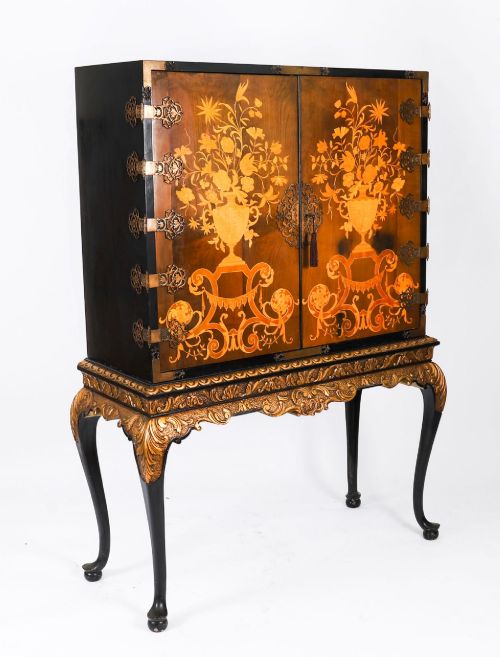
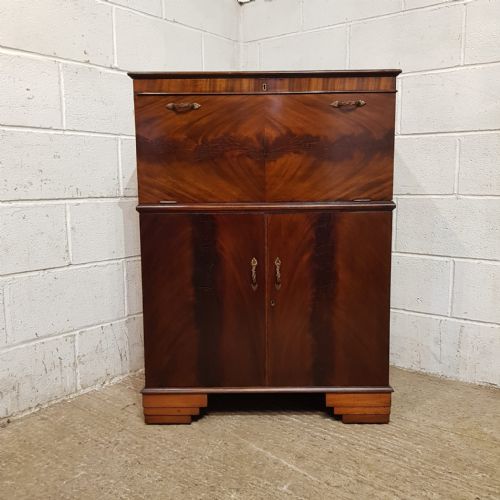
A wood cocktail cabinet brings the theatrical flair of the home bar into period interiors with burl veneers and drop-down mixing surfaces.
Wood Cocktail Cabinet
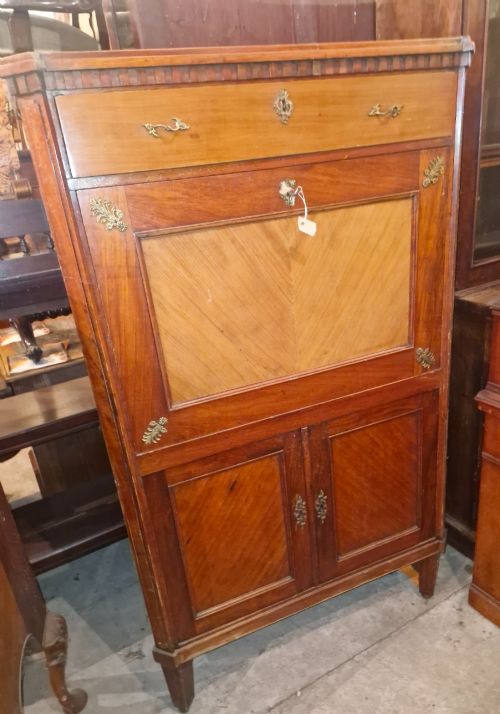
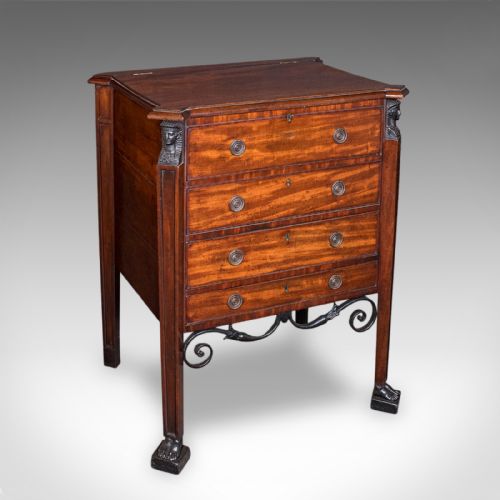
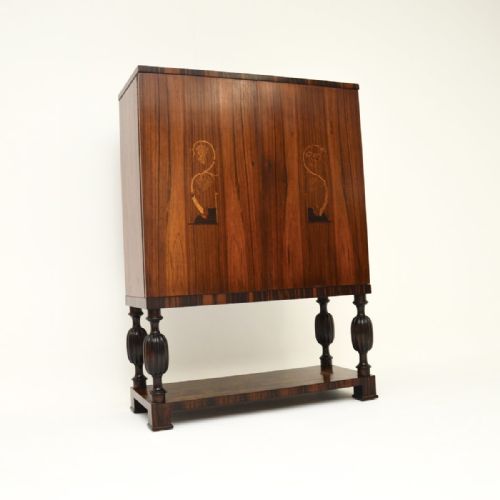
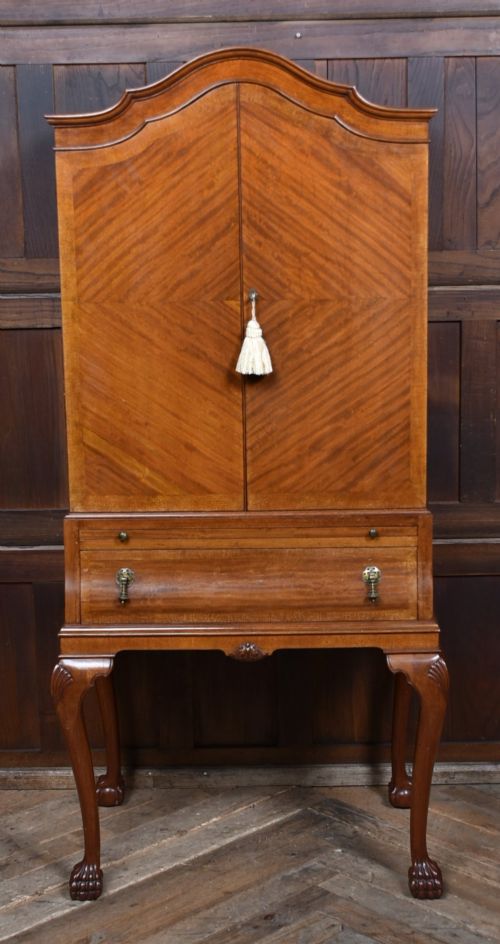
A wood cocktail cabinet is a dedicated piece of furniture designed for the storage and service of alcoholic drinks, glassware and bar accessories. When searching for this phrase, buyers encounter examples ranging from formal Victorian and Edwardian sideboards to streamlined Art Deco designs.
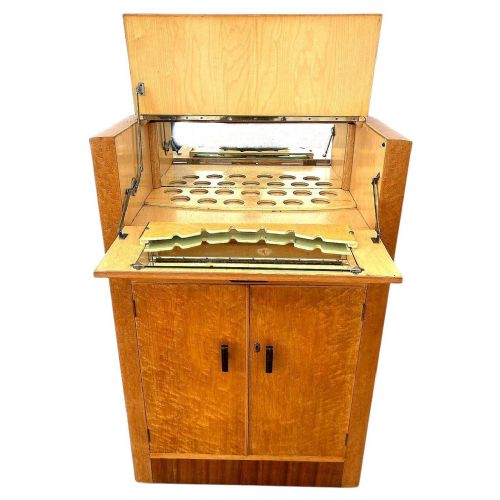
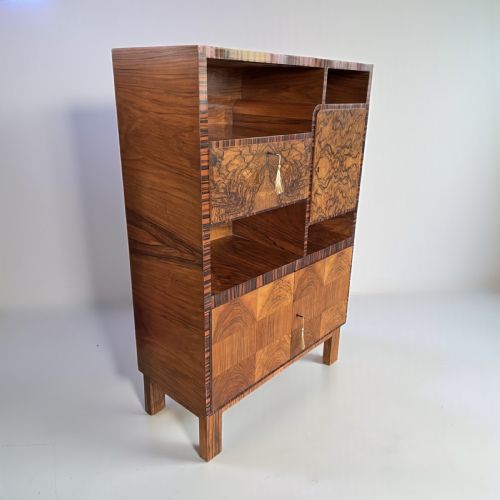
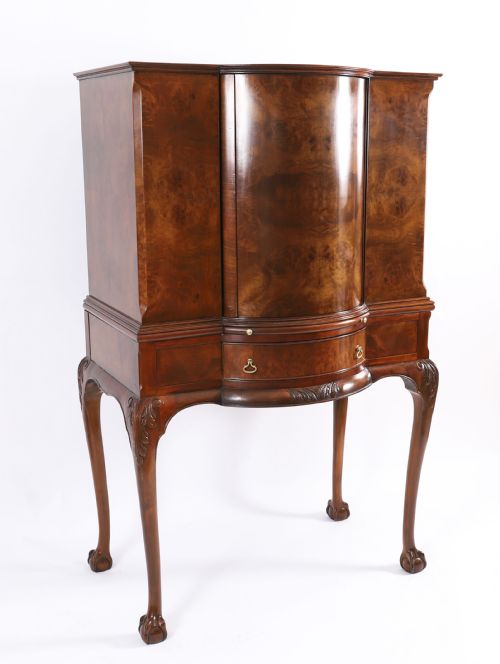
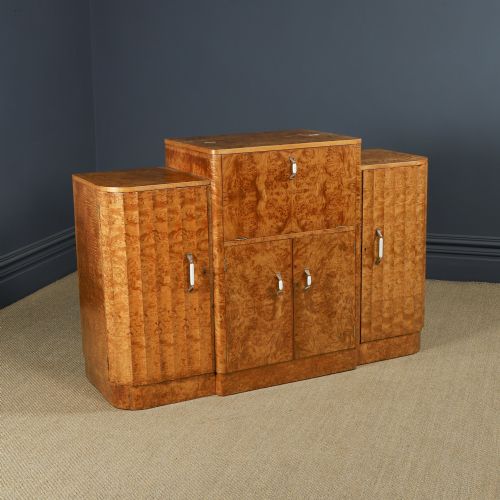
The most common iterations on this page date from the interwar period, particularly the nineteen-thirties, showcasing exuberant wood figures like burr walnut and bird's-eye maple. These pieces often feature fitted interiors with mirrored backs, glass shelves, and pull-out slides meant for mixing cocktails.
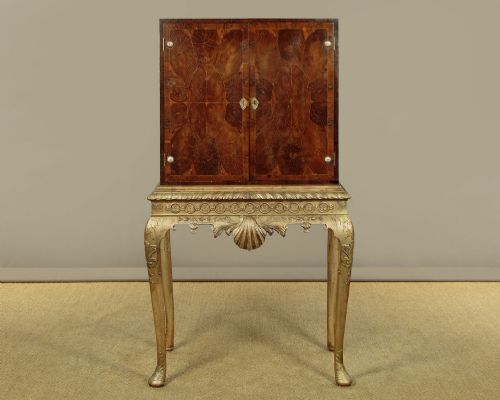
Beyond the predominant Art Deco aesthetic, the selection extends to revival styles such as Queen Anne, Chinoiserie lacquered finishes, and occasional nineteenth-century conversions. These variations reflect how social habits around home entertaining shifted across different decades.
How they were made
Cabinet makers utilised dense structural timbers such as mahogany, oak, and walnut as solid foundations for elaborate decorative veneers. Highly figured grain patterns like burr walnut and satinwood were carefully matched across doors and drawer fronts to create symmetrical patterns.
Surface ornamentation relied heavily on traditional techniques including hand-applied lacquer, marquetry inlay, and contrasting ebonised details. Metalwork played an essential structural and decorative role, incorporating brass hardware, chromium-plated hinges, and mirrored glass panels to illuminate the interior compartments.
Wood Cocktail Cabinet Retail Price Guide 2026
Typical asking prices for wood cocktail cabinet among the pieces listed under this phrase on Sellingantiques today, from the lower quarter to the upper quarter. They describe what is for sale here now, not the wider market.
What varies in quality
The distinction between standard production and the finest workshops lies in the selection of timber veneers and the precision of the internal mechanisms. Top-tier cabinets feature continuous grain wrapping around the carcass and intricate pull-out lighting or mirrored drop flaps that operate with absolute smoothness.
Design ambition and attribution also separate exceptional items from ordinary storage chests. Cabinets bearing maker signatures or distinctive styling, such as Chinoiserie lacquer or specialised hardware, represent a higher tier of craftsmanship than plain utility models.
Harrods·Harry and Lou Epstein·Maurice Adams·Reno Wahl Iversen Dyrlund
The Wood Cocktail Cabinet Glossary
- Burr walnut
- A prized wood veneer obtained from the deformed growths or burrs of walnut trees, producing swirling patterns of knots and eyes.
- Marquetry
- The art of applying pieces of veneer to a structure to form decorative patterns, often utilising contrasting exotic timbers.
- Drop-down flap
- A hinged panel that folds horizontally to create a stable mixing shelf or serving surface when the cabinet is open.
- Chinoiserie
- A decorative style in Western art reflecting Chinese artistic influences, frequently expressed through hand-painted lacquer on wood cabinets.
- Metamorphic furniture
- Pieces designed to transform their shape or function through hidden mechanisms, such as expanding tables or rising bottle wells.
Wood Cocktail Cabinet: Frequently Asked Questions
How are antique cocktail cabinets structured inside?
Most interiors feature a pull-down or sliding shelf lined with glass or pull-out mirrors designed to act as a preparation surface for mixing drinks. Surrounding compartments typically include specialised wooden slots for bottles, hanging racks for stemware, and smaller drawers for accessories.
Fitted lighting was also common in twentieth-century examples, often wired to illuminate automatically when the main doors or drop flaps were opened. These internal layouts vary from simple shelved cupboards to elaborate tiered systems.
What is the difference between a drinks cabinet and a cocktail cabinet?
While the terms are often used interchangeably, a traditional drinks cabinet generally refers to older Victorian or Edwardian pieces intended for general bottle storage and glassware display. A dedicated wood cocktail cabinet is more specifically tied to the interwar mixing culture, prioritising a drop-down preparation shelf and specialised glass storage.
Cocktail-specific models frequently emphasise decorative exterior veneers like burr walnut or lacquer, reflecting their role as statement pieces in reception rooms. Older storage units tend to rely on glazed bookcases or heavy sideboard structures adapted for beverage service.
How do I identify an Art Deco cocktail cabinet?
Art Deco pieces are characterised by geometric silhouettes, symmetrical door designs, and an absence of fussy carved ornamentation. They rely instead on the visual impact of luxurious materials like bird's-eye maple, blonde maple, and contrasting black lacquer.
Hardware on these cabinets typically consists of streamlined chromium or polished brass handles that complement the clean architectural lines. The overall proportions are deliberately bold, often raised on plinths or stepped stands.
Where should I place a heavy wood cabinet in my home?
Solid wood and veneered cabinets require placement away from direct sunlight and strong heat sources to prevent timber warping and veneer cracking. Because many examples are top-heavy when doors and internal drawers are fully extended, ensuring a stable, level floor surface is essential for proper door alignment.