

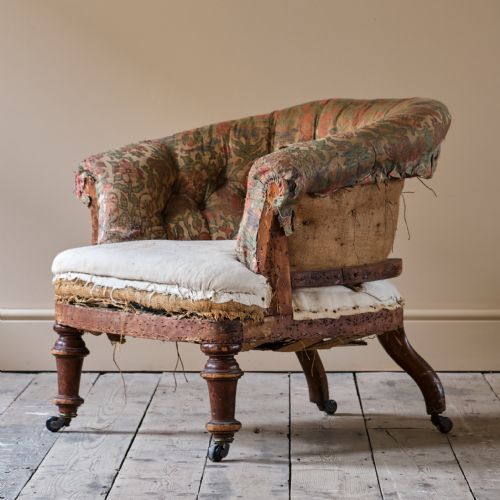
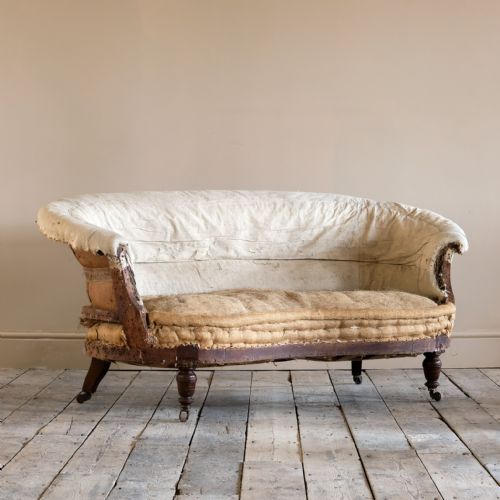
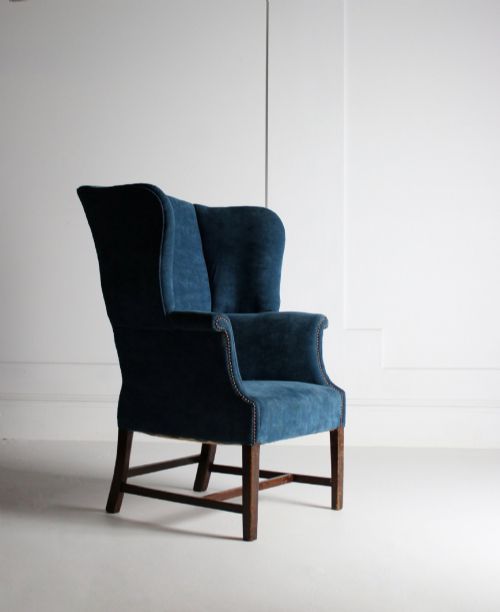


Wood Backed Frame
These wood backed frame seating pieces combine solid timber structures with upholstered comfort, offering enduring period character for traditional interiors.
Wood Backed Frame
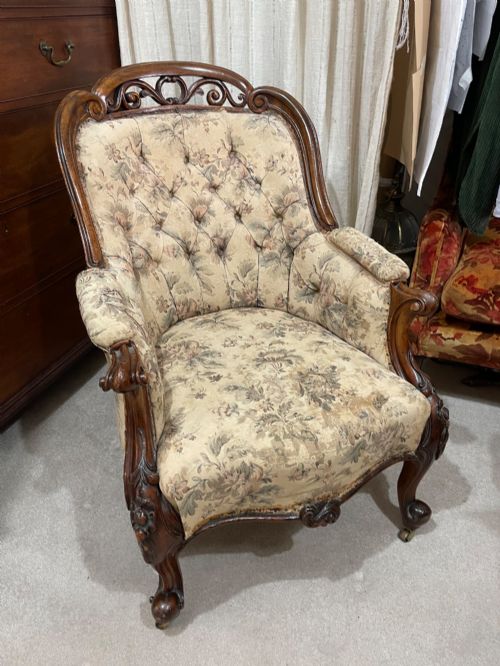
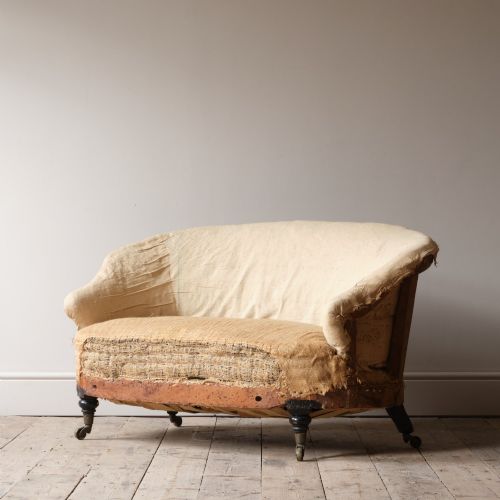
When searching for a wood backed frame, buyers encounter a variety of seating forms including armchairs, sofas, settees, daybeds, and rocking chairs dating from the nineteenth and early twentieth centuries. These items feature exposed timber frameworks that anchor upholstered seats, backs, or arms, reflecting historical design movements such as Victorian, Edwardian, and Regency revivals.
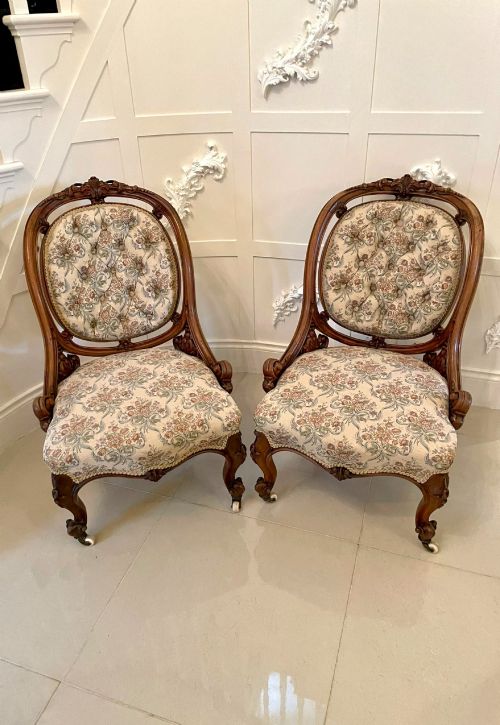
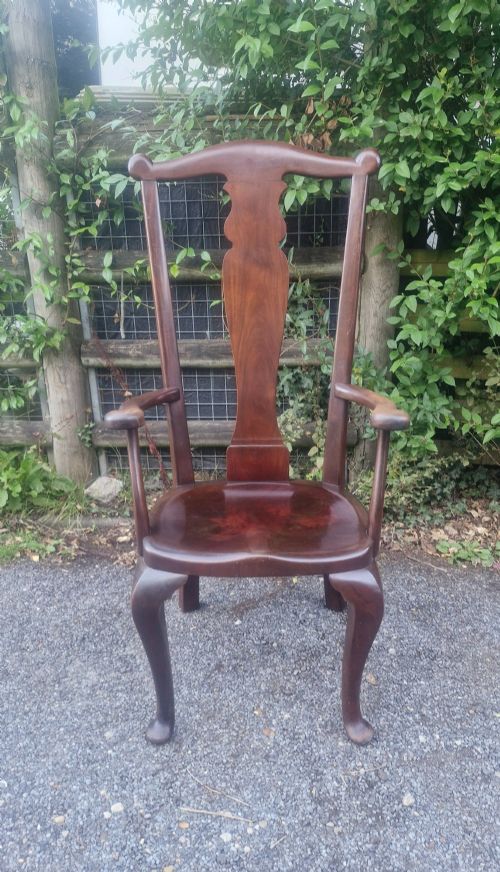
The selection on this page leans heavily towards nineteenth-century craftsmanship, showcasing walnut and mahogany structures alongside French and English stylistic influences. Pieces range from carved library armchairs and high-backed desk chairs to larger settees and daybeds designed for formal and domestic spaces.
How they were made
The structural integrity of these seats relies on dense hardwoods like mahogany, walnut, and oak, shaped into exposed frames through traditional joinery and detailed carving. Cabinetmakers utilised these sturdy timbers to support elaborate show frames, cabriole legs, and architectural crest rails.
Upholstered elements are integrated directly into the wooden skeletons using period textiles such as velvet, fabric, hessian, and leather. The interplay between polished timber mouldings and soft textile coverings defines the primary construction method of the era.
Wood Backed Frame Retail Price Guide 2026
Typical asking prices for wood backed frame among the pieces listed under this phrase on Sellingantiques today, from the lower quarter to the upper quarter. They describe what is for sale here now, not the wider market.
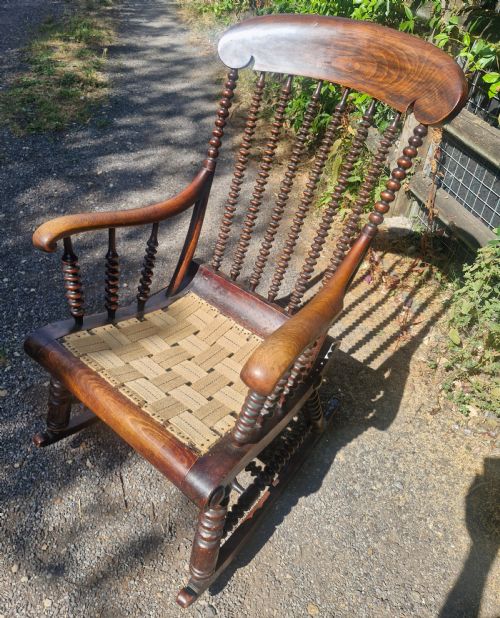
Even chairs need a holiday; bobbin-framed rockers from the eighteen-sixties were built specifically for gentle porch-side swaying.
What varies in quality
The calibre of a piece is determined by the depth and crispness of the timber carving, alongside the selection of finely figured walnut or mahogany. Superior examples display harmonious proportions where the wooden framework flows logically into the upholstered sections without awkward transitions.
Construction heft and the integrity of the underlying joinery separate standard domestic seating from exhibition pieces. Finer iterations maintain structural rigidity through robust framing, while lesser examples may show compromises in timber selection or decorative restraint.
Howard and Sons·Hampton and Sons·Liberties
The Wood Backed Frame Glossary
- Show frame
- A wooden framework left entirely exposed around the upholstered portions of a chair or sofa, designed to display the grain and carving of the timber.
- Cabriole leg
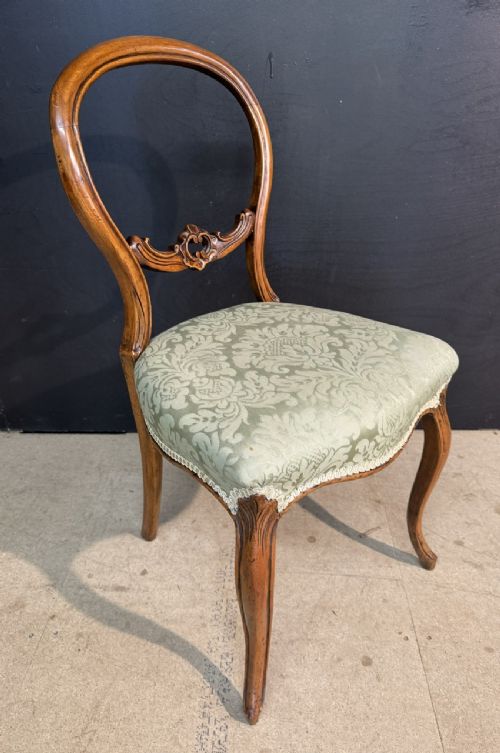
- A furniture leg that curves outward at the knee and tapers inward toward the foot, often terminating in a pad or scroll shape.
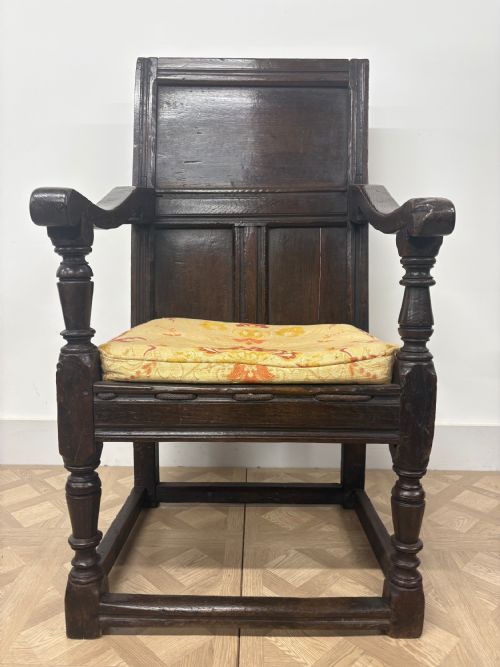
- Wainscot armchair
- A heavy, solid wooden armchair from earlier centuries featuring panelled construction and turned supports.
- Camelback sofa
- A seating form characterised by a undulating, curved top rail resembling a camel's hump, popular in eighteenth and nineteenth-century designs.
- Bobbin framing
- A style of turning where the wooden support is shaped into a series of rounded, spherical beads resembling bobbins on a thread.
Wood Backed Frame: Frequently Asked Questions
How do I care for a wood backed frame?
Maintain the exposed timber by applying appropriate furniture wax to nourish the grain and prevent the wood from drying out. Protect the upholstered sections from direct sunlight to preserve the colour and integrity of period fabrics.
Regularly dust the carved mouldings with a soft, dry cloth to prevent grime accumulation in intricate crevices. Avoid placing these antique seats near direct heat sources which can cause timber to warp and joints to loosen.
Can these chairs be used daily?
Most nineteenth-century armchairs and settees are structurally robust enough for normal domestic seating, provided the internal webbing and padding remain sound. Heavier mahogany and walnut frames offer excellent stability for regular use.
It is sensible to assess the strength of the joints and the condition of the upholstery support before utilising them intensively. Lighter decorative models, such as delicate boudoir chairs, are better suited to occasional sitting.
How do I identify a Victorian frame?
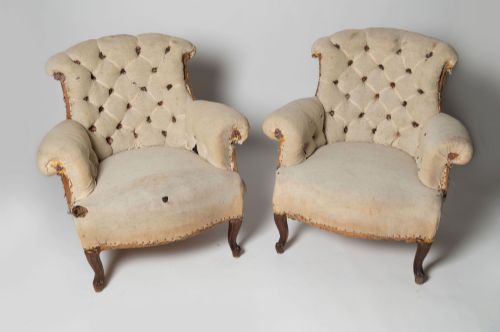
Victorian frames typically utilise dark hardwoods like mahogany or walnut, often featuring rich surface patination and deep, ornate carving. Common stylistic markers include balloon backs, cabriole legs, and button-tufted upholstery.
Examine the construction methods visible on the underside, such as hand-cut screws and traditional joinery marks. The presence of dense timber and heavier proportions usually points toward the mid to late nineteenth century.
What is a show frame chair?
A show frame chair is a seating design where the polished wooden structure remains completely visible around the edges of the upholstered back and seat. This technique highlights the skill of the woodcarver and the quality of the timber.
Originating in earlier periods and revived during the Victorian era, these pieces treat the timber surround as the primary decorative feature. The wood is often shaped with elaborate scrolls, floral motifs, or moulded borders.