






Wire Mesh Hearth Screen
A wire mesh hearth screen keeps the room safe from stray sparks while letting the warmth of the fire through.
Wire Mesh Hearth Screen
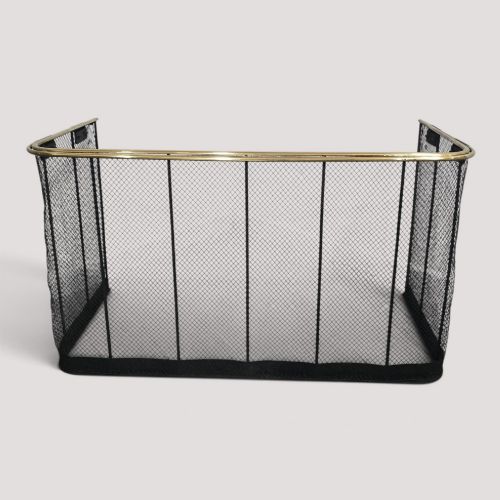
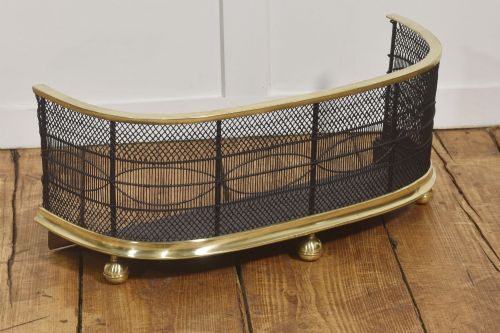
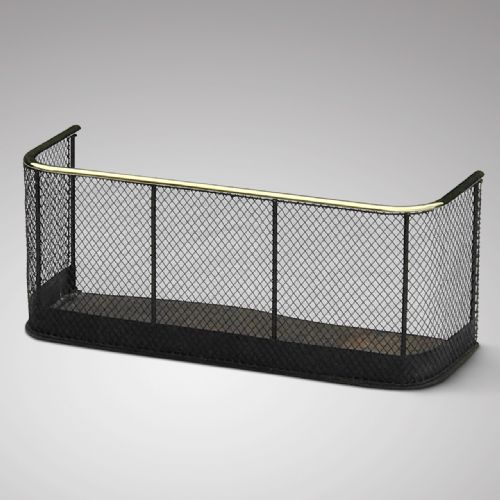
When you search for a wire mesh hearth screen, you are looking at practical fireplace accessories designed to protect interiors from hot embers. These pieces function as fire guards, spark guards, and nursery fenders, shielding the room while maintaining the view of the hearth.
The versions you are most likely to meet on this page hail from the nineteenth century, the Victorian era, the Edwardian period, and the early twentieth century. They range from simple brass-rimmed mesh guards to large nursery fenders equipped with clothes rails or companion sets.
How they were made
The protective barriers themselves rely on iron wire, woven iron wire, steel wire, and iron mesh. Wrought iron forms the robust structural skeletons needed to support the tension of the mesh panels.
Wire Mesh Hearth Screen Retail Price Guide 2026
Typical asking prices for wire mesh hearth screen among the pieces listed under this phrase on Sellingantiques today, from the lower quarter to the upper quarter. They describe what is for sale here now, not the wider market.
Current listings feature pieces spanning the nineteenth century, Victorian, Edwardian, and Regency periods, constructed from brass, wrought iron, and woven wire mesh.
What varies in quality
The standard of a wire mesh hearth screen rests on the gauge of the wire and the heft of the metal frame. Finer execution shows in tightly woven iron mesh and substantial brass top rails that hold their shape under daily use.
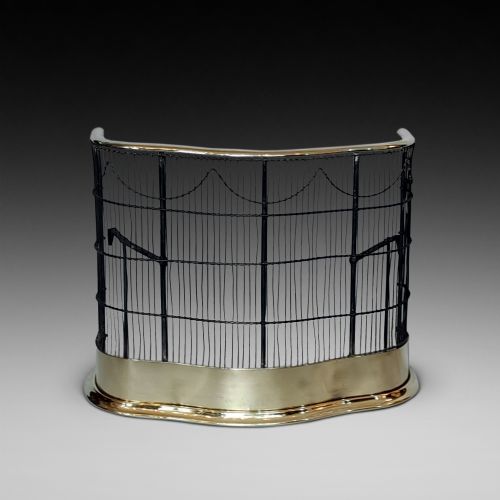
Design complexity also sets examples apart, moving from straightforward mesh guards to pieces incorporating bowed fronts, serpentine brass rims, and integrated clothes rails or companion sets.
The Wire Mesh Hearth Screen Glossary
- Nursery fender
- A low enclosing guard designed to keep children at a safe distance from an open fire. These often feature an extended frame and sometimes include a clothes rail.
- Spark guard
- A protective screen placed directly in front of the fireplace opening to catch flying embers. They are typically framed in brass with an inset of iron wire mesh.
- Serpentine
- A gently undulating curved shape seen along the top rail or base of certain Victorian guards. This contour softens the rigid lines of the metalwork.
- Companion set
- A collection of fireplace tools, such as pokers and tongs, sometimes housed alongside or attached to larger hearth screens and nursery fenders.
Wire Mesh Hearth Screen: Frequently Asked Questions
What is a wire mesh hearth screen used for?
These pieces act as a physical barrier between an open fire and the room, stopping sparks and embers from damaging flooring or furniture.
They also provide essential safety in family homes, particularly larger nursery fenders designed to keep children and pets away from hot hearths.
How do I date a brass and wire fire guard?
Dating relies on observing the prevailing styles, construction methods, and materials used in the piece. Victorian and Edwardian examples often feature distinct brass top rails and specific wire gauges.
Looking at the method of joining the wire mesh to the frame helps place the piece within the nineteenth or early twentieth century.
What is the difference between a fire screen and a nursery fender?
A fire screen typically stands upright to block radiant heat or sparks directly at the fireplace opening. They are often lighter and focused on portability or aesthetic cover.
Nursery fenders are much larger enclosures that sit around the hearth on the floor, creating a wide perimeter for added safety.
How do I care for antique brass and iron mesh?
Regular dusting with a dry cloth keeps the woven wire mesh free from soot and debris buildup. Avoid harsh chemical cleaners on antique brass to preserve its aged appearance.
Checking the stability of the frame joints periodically ensures the screen remains safe and sturdy on your hearth.