






Wire Fire Screen
A wire fire screen provides practical hearth protection without blocking the warmth of the fire, combining utility with period craftsmanship.
Wire Fire Screen
When you search for a wire fire screen, you find functional hearth guards designed to contain sparks and embers while maintaining visibility of the fire. The pieces seen on this page span the nineteenth century, the Regency era, the Victorian period, and the early twentieth century including Edwardian examples.
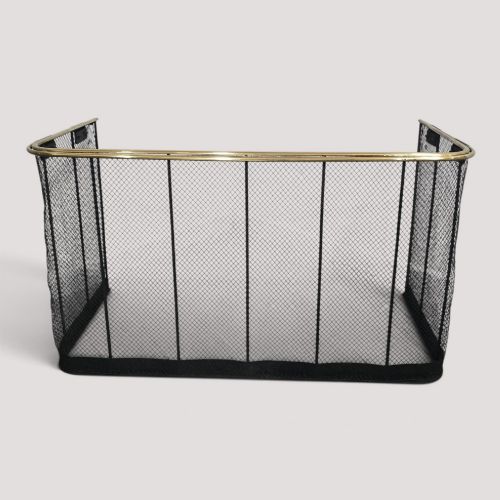
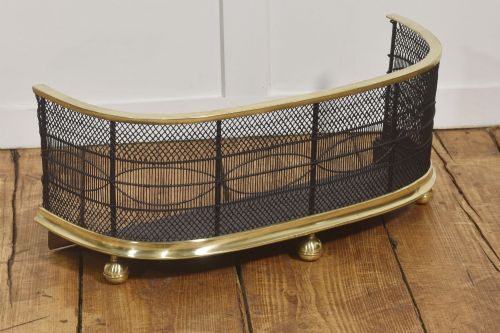
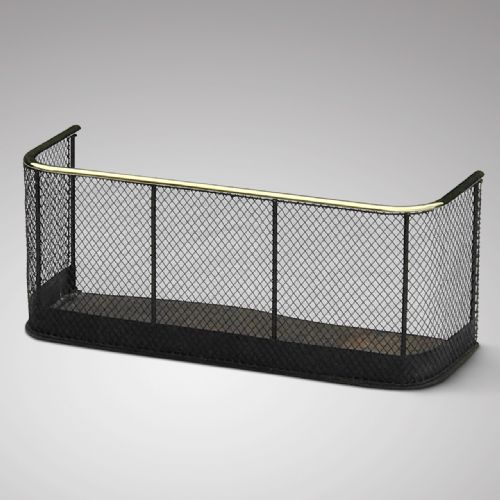
The most common forms on this page are nursery fenders, spark guards, and fire guards constructed from wire mesh set within metal frames. These domestic accessories range from simple iron mesh guards to elaborate designs featuring brass top rails and bowed profiles.
Originating from English country houses and period homes, these screens serve both protective and decorative roles by the fireplace. They combine sturdy metal construction with fine wirework to secure the hearth safely.
How they were made
Makers constructed these pieces using iron, wrought iron, and steel wire formed into fine mesh screens and guards. The woven iron wire and iron mesh provide durable barriers against sparks while keeping the weight manageable for daily use.
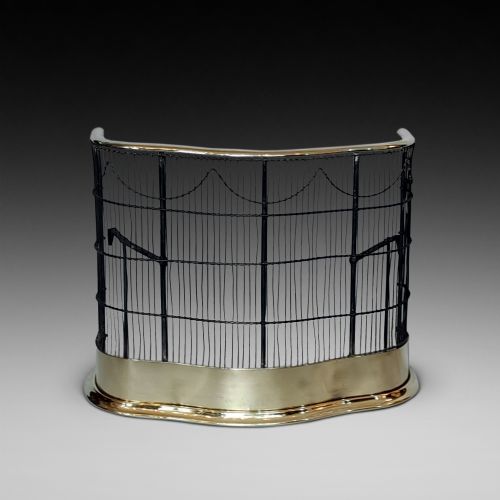
Frames and trims utilise polished brass or iron, often featuring brass top rails or embossed brass rims for added decoration. Wrought iron provides structural rigidity to the frames, particularly in larger country house examples and nursery fenders.
Wire Fire Screen Retail Price Guide 2026
Typical asking prices for wire fire screen among the pieces listed under this phrase on Sellingantiques today, from the lower quarter to the upper quarter. They describe what is for sale here now, not the wider market.
Materials recorded across the listings include brass, wire mesh, iron, iron wire, woven iron wire, iron mesh, steel wire, and wrought iron.
What varies in quality
The distinction between standard domestic items and finer pieces lies in the precision of the metalwork and the quality of the framing. Heavier brass rims, curved serpentine profiles, and integrated clothes rails indicate higher production standards and more thoughtful domestic design.
Material combination also determines the character of the piece, with solid brass frames and carefully woven wire mesh outlasting simpler iron constructions. The integration of decorative elements like embossed brass panels elevates utilitarian spark guards into notable examples of period metalwork.
The Wire Fire Screen Glossary
- Nursery fender
- A protective guard placed around a fireplace to keep children and pets at a safe distance from the flames. These pieces often include a built-in clothes rail for drying garments.
- Spark guard
- A fine mesh screen designed specifically to catch flying embers and sparks from an open fire. They sit directly before the hearth opening.
- Serpentine
- A gently curved, undulating line often seen in the profile of brass-rimmed fire guards. This shape adds elegance and stability to the metal structure.
- Wrought iron
- Iron that has been heated and hammered into shape by a smith, providing strong and resilient framing for wire mesh panels. It distinguishes traditional hand-finished work from later cast metals.
Wire Fire Screen: Frequently Asked Questions
What is a wire fire screen?
A wire fire screen is a protective hearth accessory made from woven wire mesh and metal frames designed to stop flying sparks. They protect domestic spaces while allowing the heat and light of the fire to enter the room.
These screens date across several periods, incorporating materials like brass and iron into functional designs for period fireplaces.
How were nursery fenders used?
Nursery fenders served as large physical barriers enclosing the hearth to prevent young children from approaching burning coals. Many versions featured integrated top rails used for airing or drying children's clothes.
Positioned securely around the fireplace, they offered comprehensive protection in busy nineteenth-century households without concealing the hearth.
How do I date an antique fire guard?
Dating relies on observing the framing materials, construction techniques, and stylistic traits associated with specific eras like the Regency or Victorian periods. Early nineteenth-century examples often display heavy brass framing and hand-woven iron wire.
Later Edwardian and nineteen-hundreds pieces introduce lighter steel wire and standardised mesh patterns alongside traditional brass top rails.
Are these screens suitable for daily use?
These historical guards remain functional accessories capable of containing sparks and embers in active fireplaces today. Their sturdy metal construction and wire mesh provide practical safety alongside period character.
Proper sizing ensures the guard fits securely before the hearth opening while complementing the surrounding room decor.