




Wide Wooden Shelving
Wide wooden shelving brings practical presence to a room, offering sturdy structure for libraries and collections.
Wide Wooden Shelving
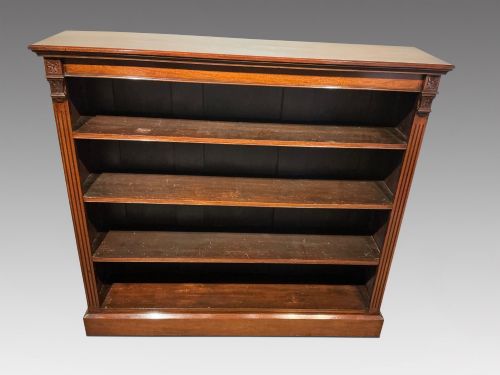
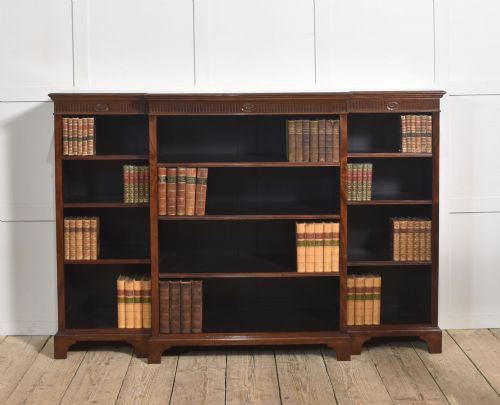
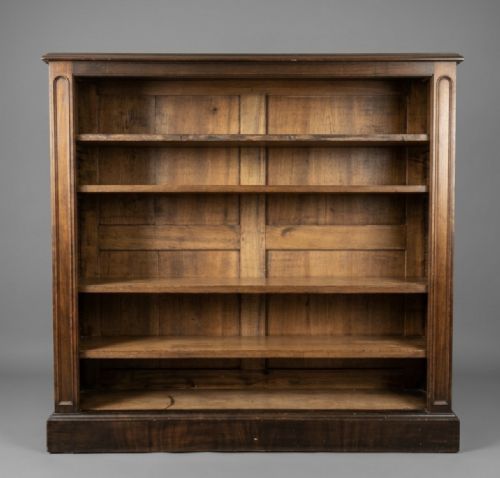
When you search for wide wooden shelving, you are looking at substantial bookcases and open shelving units designed to hold significant collections of books or display objects. The pieces appearing here span the nineteenth century, the Edwardian era, and the nineteen-thirties, reflecting long traditions of domestic storage.
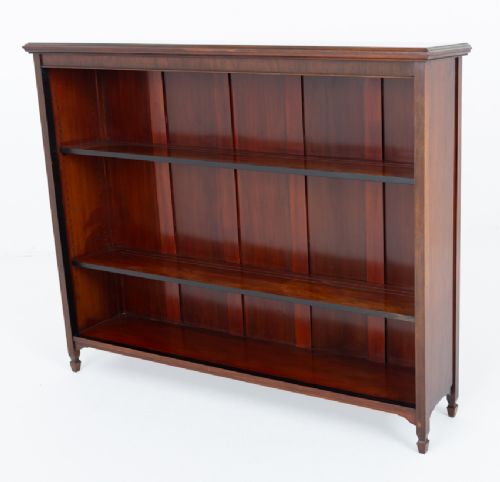
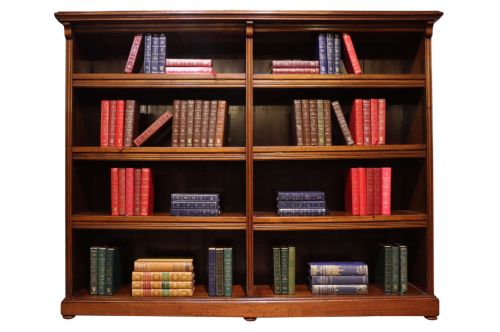
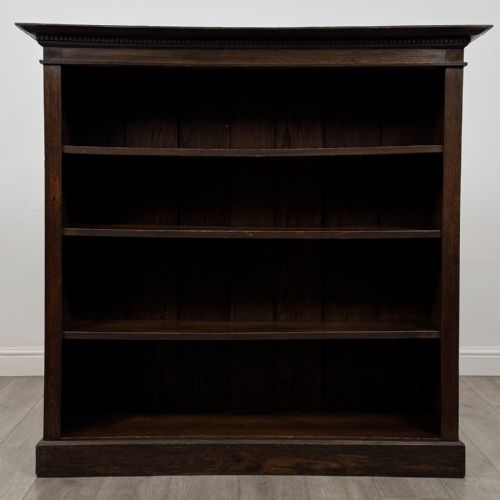
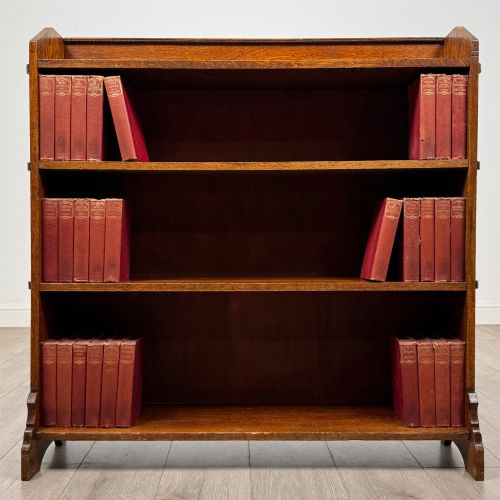
The most common formats on this page are large open bookcases and breakfront libraries. These items range from simpler rustic pine and elm versions to formal Victorian and Edwardian iterations in mahogany and walnut.
Origins stretch from English country workshops to Anglo-Indian studios, providing varied interpretations of large-scale wooden storage. Buyers choose these formats to anchor a room with functional utility and period character.
How they were made
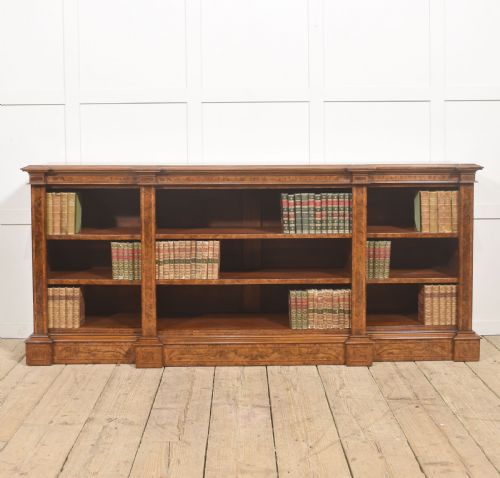
Makers utilised solid timbers alongside veneered surfaces, selecting mahogany, oak, pine, teak, and walnut for their structural stability and grain patterns. Selected pieces incorporate burr walnut veneers to introduce decorative figuring to large flat surfaces.
Construction techniques include hand-carved detailing, breakfront structuring, and adjustable shelving mechanisms. Some examples feature ebonised finishes or simpler rustic assembly suited to country interiors.
Wide Wooden Shelving Retail Price Guide 2026
Typical asking prices for wide wooden shelving among the pieces listed under this phrase on Sellingantiques today, from the lower quarter to the upper quarter. They describe what is for sale here now, not the wider market.
What varies in quality
The distinction between standard utility storage and finer library furniture lies in the selection of timber and the ambition of the joinery. Fine grain matching in walnut veneers and controlled carving separate standard production from superior examples.
Proportion and scale also dictate the character of the piece, with breakfront designs and well-executed architectural cornices commanding greater visual presence than basic open pine shelving.
Lamb of Manchester
The Wide Wooden Shelving Glossary
- Breakfront
- A piece of furniture where the central section projects forward from the flanking outer sections. This architectural arrangement creates depth and shadow across large bookcases.
- Open bookcase
- A shelving unit without doors, designed for immediate access to books. It exposes the book bindings and the interior timber backboards.
- Waterfall bookshelves
- Shelving where each tier recedes from the one below, following a stepped profile. The configuration creates a distinctive cascading silhouette.
- Ebonised
- Timber treated with a dark finish to imitate ebony. This technique gained popularity during the nineteenth and early twentieth centuries for formal or aesthetic movement furniture.
- Adjustable shelves
- Shelving supported on movable brackets or pin systems allowing height adjustments between tiers. This feature accommodates volumes of varying sizes.
Wide Wooden Shelving: Frequently Asked Questions
How do I date a wooden bookcase?
Dating relies on observing timber choices, construction methods, and stylistic cues present in the piece. Victorian and Edwardian examples often display distinct mouldings and hardware.
Examining the interior timber and backboards further assists in determining the manufacturing era.
Are these shelves suitable for heavy books?
Most of these large bookcases and shelving units were built from solid hardwoods like oak, mahogany, and teak to support heavy volumes. Adjustable shelving systems allow users to configure spaces for large folios.
Solid timber construction ensures lasting stability under substantial weight.
How do I care for antique timber?
Maintaining antique wood requires keeping pieces away from direct sunlight and rapid temperature fluctuations. Consistent indoor humidity prevents the timber and veneers from drying out.
Regular dusting with a soft cloth preserves the finish without chemical buildup.