





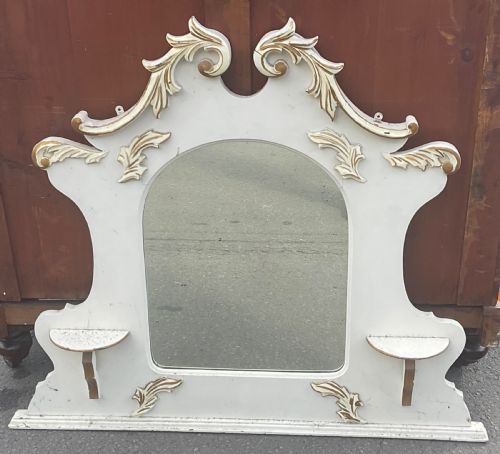


White Wooden Mirror
A white wooden mirror brings light and scale to a room, offering painted finishes across centuries of domestic design.
White Wooden Mirror
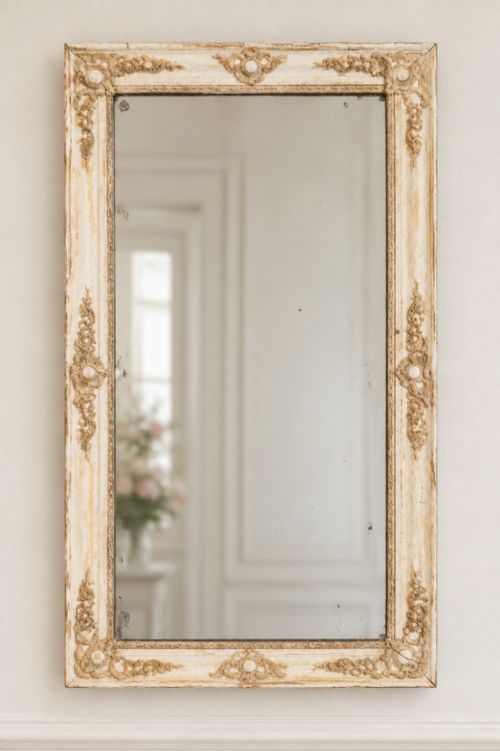
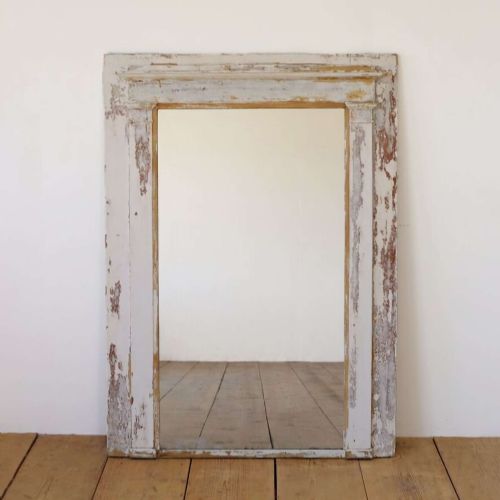
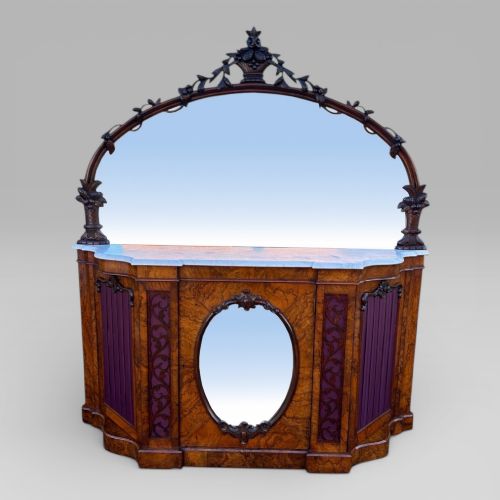
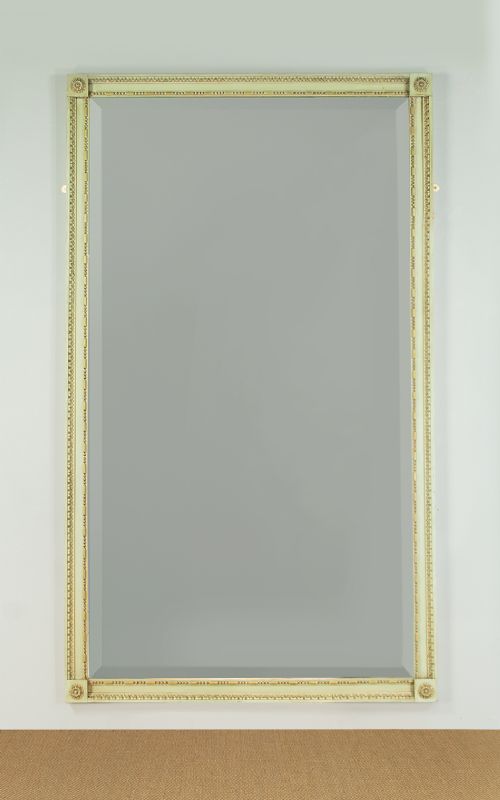
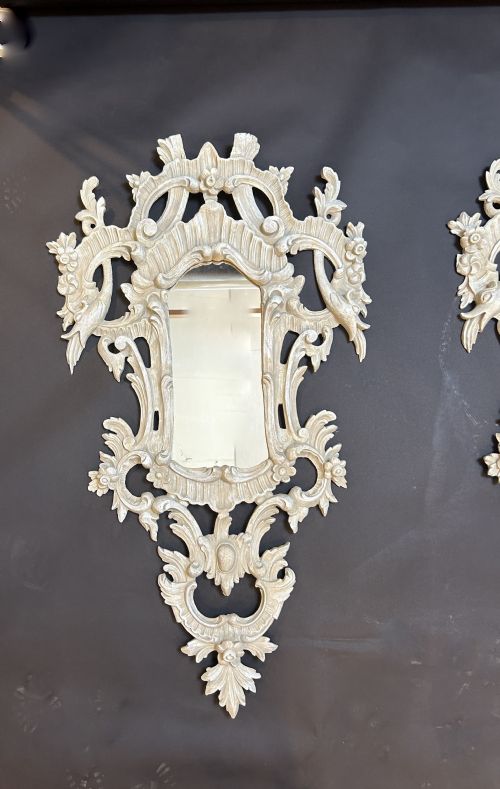
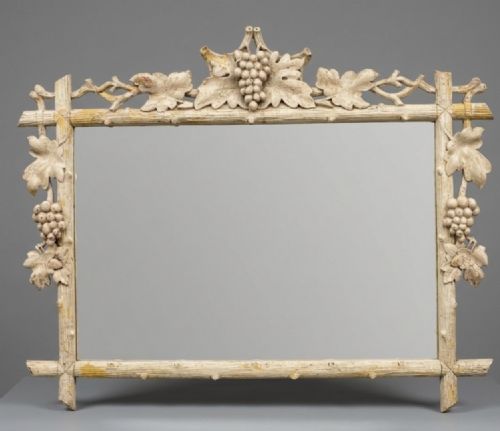
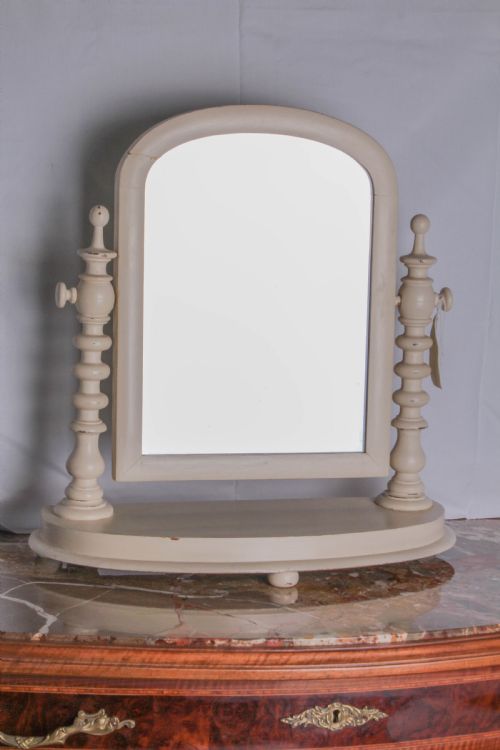
A white wooden mirror encompasses wall-hanging plates, overmantels, and dressing glasses shaped by centuries of interior fashion. When you examine a white wooden mirror on this page, you encounter pieces spanning from the eighteenth century through the Edwardian era.
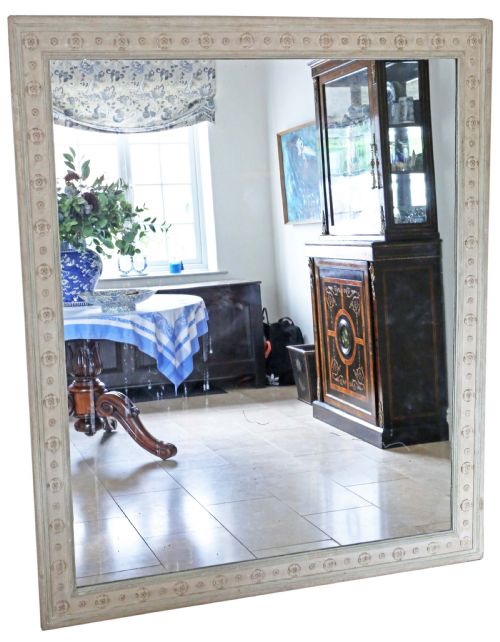
The selection leans heavily toward nineteenth-century French and English output, particularly large overmantels and wall mirrors with painted surfaces. These range from plain rectangular formats to arched, cushion, and column-framed variants.
Makers and workshops utilised pine and oak carcasses, applying layers of paint over gesso to create bright reflective centerpieces for salons, halls, and dressing rooms.
Materials and construction
Makers built the foundational frames of a white wooden mirror from timber such as pine and oak, often carving intricate details directly into the wood or applying composition ornament. Gesso layers provided a smooth base for subsequent coats of paint, establishing the matte or distressed white finishes seen today.
Reflective plates were set into the carved wooden rabbets, sometimes retaining their original mercury or silvered glass. Structural joints relied on traditional carpentry methods suitable for heavy wall-hanging and overmantel formats.
White Wooden Mirror Retail Price Guide 2026
Typical asking prices for white wooden mirror among the pieces listed under this phrase on Sellingantiques today, from the lower quarter to the upper quarter. They describe what is for sale here now, not the wider market.
Several mirrors carry layers of historical white paint applied over older gilt, recording generations of interior redesign in their brushstrokes.
Evaluating craftsmanship and age
The distinction between tiers of a white wooden mirror lies in the depth of hand-carved ornamentation and the integrity of the original gesso and paint layers. Superior examples display crisp relief work beneath the white pigment, whereas simpler versions rely on plain mouldings.
The character of the mirror glass itself alters the visual weight, with original silvering exhibiting authentic foxing and ageing that differentiates period pieces from later replacements.
The White Wooden Mirror Glossary
- Gesso
- A plaster-like mixture applied to wood frames to create a smooth surface for painting or gilding. It allows for sharp carved details beneath the white topcoat.
- Overmantel mirror
- A large horizontal looking glass designed specifically to hang above a fireplace mantelpiece. These pieces often anchor the proportions of a reception room.
- Trumeau mirror
- An architectural wall mirror combined with a painted panel or artwork above the glass. Eighteenth-century examples demonstrate classical proportions.
- Cushion mirror
- A frame style where the outer moulding slopes outward like a pillow towards the wall. This form creates extra depth in nineteenth-century French interiors.
- Foxing
- The natural age spots and dark patches that develop within the silver backing of antique mirror glass over time. Collectors value original foxing as proof of age.
White Wooden Mirror: Frequently Asked Questions
How do I hang a heavy overmantel mirror?
Large overmantel mirrors require secure fixings anchored directly into wall studs or masonry using heavy-duty brackets. Professional installation is recommended due to the combined weight of the timber frame and thick glass.
Ensure the hanging wire or integrated metal D-rings match the load capacity before mounting the piece above a fireplace.
Are the painted finishes original?
Many nineteenth-century pieces feature over-painted surfaces applied during subsequent decorative updates or later domestic refreshes. Examining the layers reveals whether the white paint sits over earlier gilt or older pigment.
Distressed textures often combine original wear with historical touch-ups accumulated over decades of use.
What is the difference between French and English styles?
French mirrors from this selection frequently incorporate Rococo Revival curves, gesso cushion profiles, and architectural column details. English counterparts often appear in heavier proportions suited for Victorian and Edwardian domestic spaces.
Both traditions utilised painted white surfaces to brighten darker rooms during the nineteenth century.
How should I clean antique mirror glass?
Use a soft, dry microfibre cloth to gently remove dust from both the wooden frame and the glass surface. Avoid spraying liquids directly onto the mirror, as moisture can seep behind the glass and damage the silver backing or original gesso.
If liquid cleaner is necessary, apply a small amount to the cloth rather than the glass itself.