




White Wooden Credenza
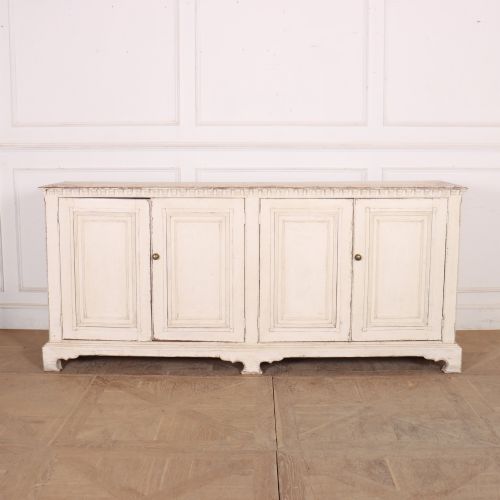
A white wooden credenza brings a bright, painted surface and generous storage to a room, offering both practical utility and enduring character.
White Wooden Credenza
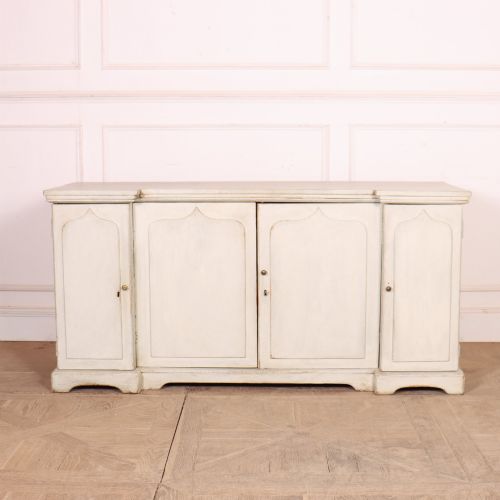
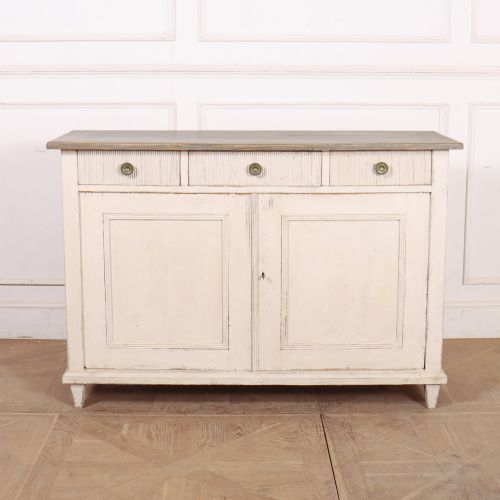
When you search for a white wooden credenza, you are looking at substantial storage furniture finished in paint rather than polished timber, including pieces catalogued as sideboards, buffets, enfilades and dresser bases. These items originate across the nineteenth century, with specific examples carrying dates from eighteen sixty to eighteen ninety alongside broader Victorian attributions.
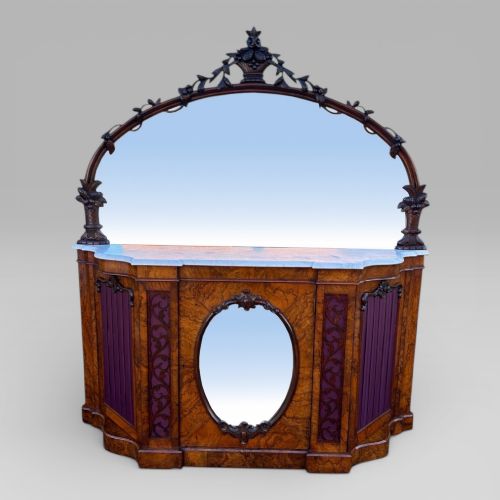
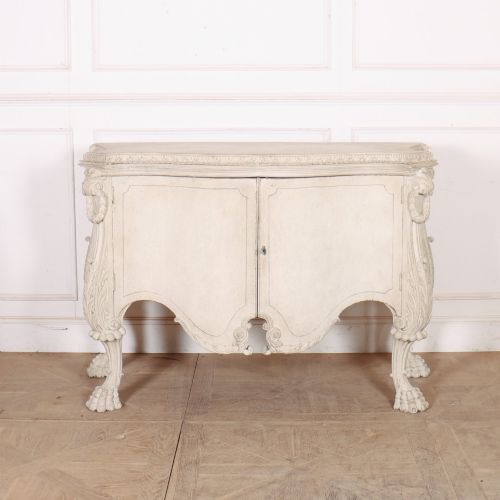
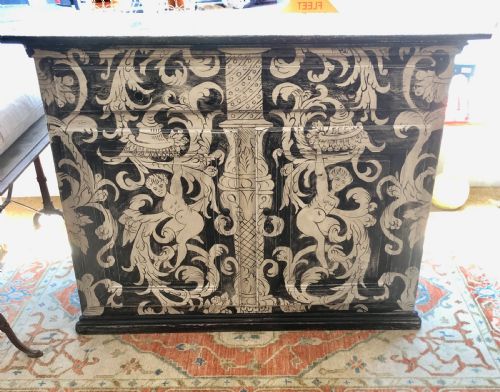
The aesthetic leans heavily toward country house and revival styles, taking in English country, French country, Italian neoclassical and French renaissance revival alongside standard Victorian forms. You are most likely to meet painted pine and other timber carcasses finished in white or black and white palettes, frequently paired with contrasting marble tops or carved mirror backs.
Materials and construction
Makers constructed these carcasses predominantly from solid pine and other timbers, applying thick coats of paint that often weathered over decades of use. More elaborate iterations integrated inset marble slabs on the upper surface to provide a durable, cooling counter.
Hardware and structural details incorporate cast brass elements, glass panels within cabinet doors, and occasional burr walnut veneers beneath decorative paintwork. Surfaces frequently display hand-painted ornamentation, such as grotesque motifs executed by specialist artists.
White Wooden Credenza Retail Price Guide 2026
Typical asking prices for white wooden credenza among the pieces listed under this phrase on Sellingantiques today, from the lower quarter to the upper quarter. They describe what is for sale here now, not the wider market.
Materials recorded across the inventory include pine, burr walnut, marble, brass, glass, and velvet.
Judging quality in painted storage furniture
Quality rests primarily in the integrity of the timber carcass and the sophistication of the painted finish rather than plain utility. Pieces featuring heavy architectural carving, intact marble tops, and original mirror backs sit at the upper end of the range.
The application of the paint layer dictates visual success, distinguishing finely executed hand-painted decorative schemes from straightforward utility coats. Proportion and origin also influence standing, with continental enfilades and substantial breakfront forms demonstrating greater ambition than simple side cabinets.
Melissa White
The White Wooden Credenza Glossary
- Credenza
- A sideboard or buffet used for serving food and storing dining ware. It typically sits low to the floor with enclosed cupboards.
- Enfilade
- A long sideboard or cabinet designed to stand against a wall, common in continental European dining rooms and grand hallways.
- Dresser base
- A lower storage unit with drawers and cupboards, originating from kitchen and pantry use before migrating to formal living spaces.
- Breakfront
- A piece of furniture where the central section projects forward from the flanking outer cabinets. This architectural arrangement creates shadow and depth.
- Grotesque
- A style of decorative painting comprising fanciful human and animal forms intertwined with foliage. It appeared on revival pieces during the nineteenth century.
White Wooden Credenza: Frequently Asked Questions
What is a white wooden credenza?
A white wooden credenza is a large storage cabinet or sideboard finished with a painted surface. These pieces provide deep cupboards and drawer space while brightening a room through a lighter colour palette.
They encompass various regional forms, from English country dresser bases to continental painted enfilades and Italian side cabinets. Most date from the nineteenth century and Victorian eras.
How were these cabinets used?
Historically, these units functioned as sideboards and buffets for storing table linen, cutlery, and serving dishes in dining rooms. The flat top surface served as a station for displaying silver or laying out food during meals.
Over time, many transitioned into general living spaces and hallways where their enclosed storage helps conceal everyday clutter. Some variants with glass doors or mirror backs also functioned as display furniture.
How do you live with a painted sideboard?
Living with a painted storage piece means appreciating the soft patination of aged surfaces and handling painted finishes with sensible care. They anchor a room effectively, serving as focal points against neutral or contrasting walls.
Pairing a painted wooden base with a marble top gives a durable work surface that resists staining from everyday objects. Their neutral white or monochrome tones allow them to sit comfortably in both traditional and contemporary interiors.
How do you tell periods apart?
Distinguishing periods relies on observing stylistic markers and construction methods rather than relying on paint alone. Pieces tagged as eighteen sixty or eighteen eighty often exhibit specific regional vernacular traits, such as Scottish or Italian joinery details.
Victorian and general nineteenth-century examples frequently incorporate revival styling, drawing upon French renaissance or neoclassical vocabulary. Examining the hardware, hinges, and timber underneath the paint reveals the age of the underlying structure.