


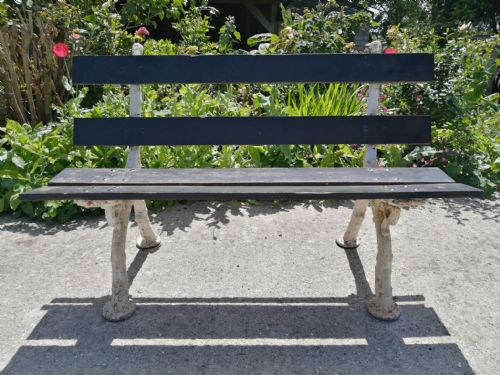


White Wooden Bench
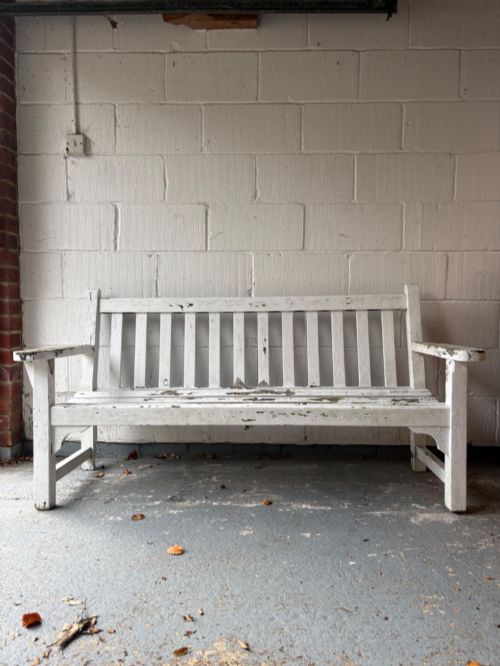
A white wooden bench brings understated utility and continental charm to a room, offering seating built from timber and finished in bright coats of paint.
White Wooden Bench
When you search for a white wooden bench, you encounter forms ranging from long Swedish settle benches and country pine benches to compact stools and window seats. These pieces span the eighteenth century through to the interwar period, though nineteenth-century examples dominate.
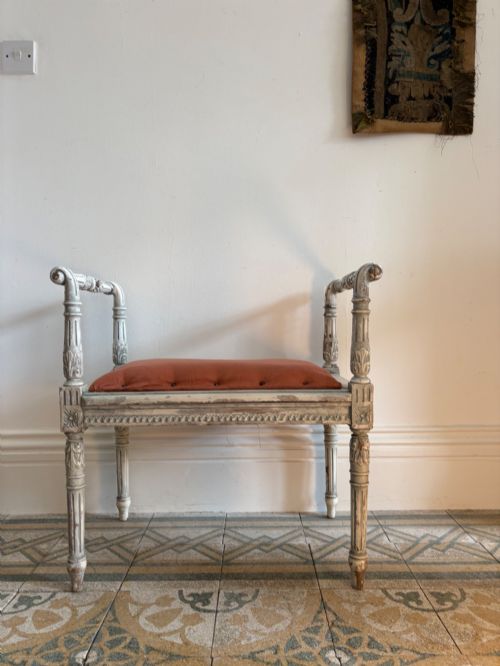
You meet various regional interpretations on this page, particularly Gustavian neoclassical pieces and Scandinavian country seating. The surface finishes are typically white paint, often weathered or original, applied over pine or mixed woods.
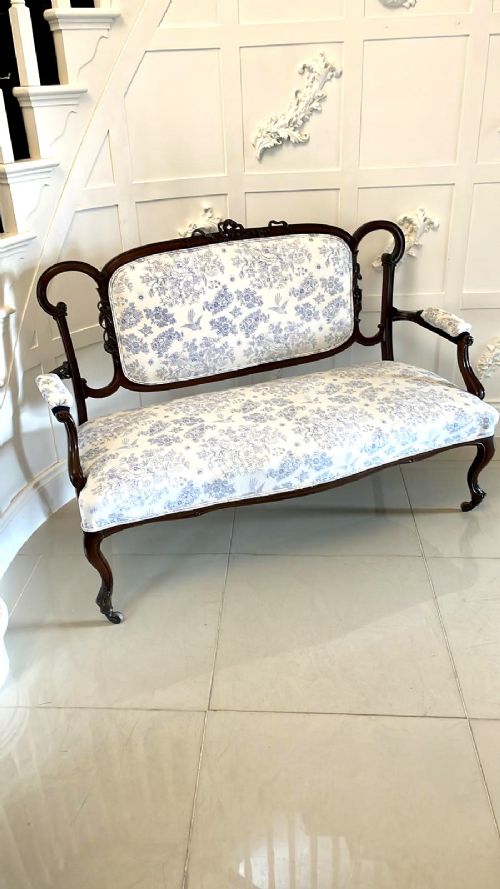
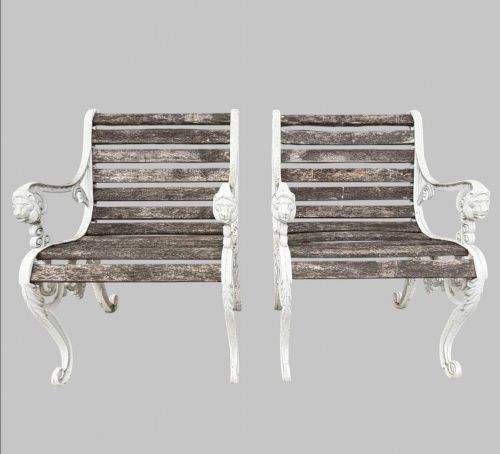
The selection includes settees, sofas, and garden seats alongside standard benches. Many items incorporate upholstered elements like silk or fabric seats, while others remain strictly functional wooden furniture.
Materials and construction methods
Makers utilised solid timbers such as pine and teak, constructing frames through traditional joinery suited to heavy daily use. Pine forms the core of many country and Gustavian benches, while teak appears in outdoor settings.
Surfaces received multiple layers of paint, which over decades developed natural patinas and weathering. Upholstered variants integrated materials like silk and linen over padded seat structures.
White Wooden Bench Retail Price Guide 2026
Typical asking prices for white wooden bench among the pieces listed under this phrase on Sellingantiques today, from the lower quarter to the upper quarter. They describe what is for sale here now, not the wider market.
Listings feature items spanning the eighteenth century to the interwar period, constructed primarily from pine, painted wood, and teak.
Distinguishing quality in painted seating
Quality rests primarily on the integrity of the timber frame and the authenticity of the painted finish. Original layered paintwork commands attention compared to later, flat re-paintings.
Proportion and carving detail separate standard utilitarian furniture from high-status pieces like Gustavian neoclassical settees. Refined mouldings and balanced proportions indicate superior craftsmanship.
The White Wooden Bench Glossary
- Gustavian
- The Swedish interpretation of French neoclassical design, characterised by restrained lines and pale painted finishes. It remains a defining style for eighteenth and nineteenth-century Scandinavian seating.
- Settle bench
- A high-backed wooden bench with solid sides designed to block draughts in domestic interiors. Many feature integrated storage compartments beneath the seat.
- Settee
- A long upholstered or wooden seat for two or more people, combining comfort with formal presence. They appear frequently in nineteenth-century French and Swedish workshops.
- Pine
- A soft timber widely utilised across European country furniture for its accessibility and workability. It accepts paint finishes readily, forming the base of numerous historical benches.
White Wooden Bench: Frequently Asked Questions
Where were settle benches used?
Settle benches served as practical seating near hearths in traditional homes. Their high wooden backs and solid sides protected occupants from cold drafts.
Over time, they moved into hallways and living spaces as decorative yet functional furniture.
What woods are common in these benches?
Pine appears most frequently in indoor country and Gustavian seating due to its widespread availability. Teak is utilised in outdoor garden benches for its natural weather resistance.
Other items incorporate mixed hardwoods or structural elements paired with fabric or cane.
How should I care for painted wood?
Dust surfaces regularly with a soft, dry cloth to protect the historic paint layers. Avoid harsh chemical cleaners that can strip or damage weathered patinas.
Keep wooden furniture away from direct heat sources and extreme humidity fluctuations to prevent timber movement.