




White Shade Desk Lamp
A white shade desk lamp brings focused task lighting and period character to a workspace through materials like brass, glass, and porcelain.
White Shade Desk Lamp
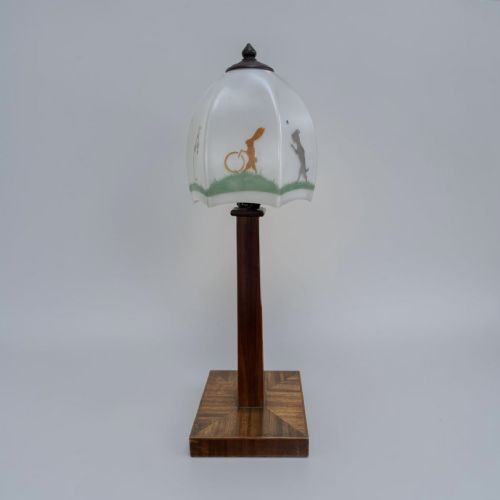
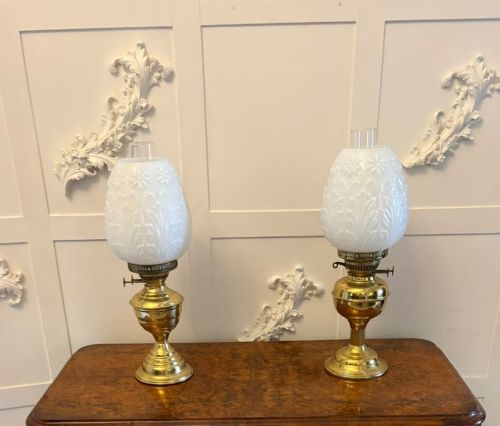
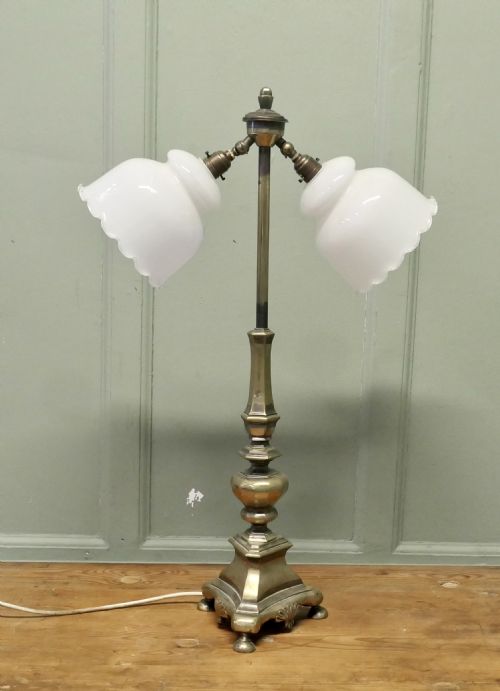
When you search for a white shade desk lamp, you encounter a selection of period lighting spanning the nineteenth and twentieth centuries. These pieces encompass utilitarian reading lamps, converted oil lamps, and decorative table models outfitted with pale diffusers.
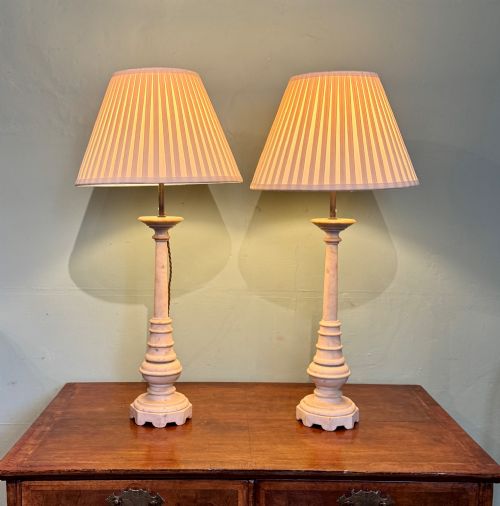
The objects derive from diverse styles such as Victorian, Edwardian, Art Deco, and classical revivals. Many utilise converted ceramic vases, metal bodies, or stone columns to support the illumination.
The configuration often combines a sturdy metal or ceramic base with a fabric, parchment, or opaline glass shade. These designs reflect both functional workspace requirements and ornamental interior tastes of their respective eras.
How they were made
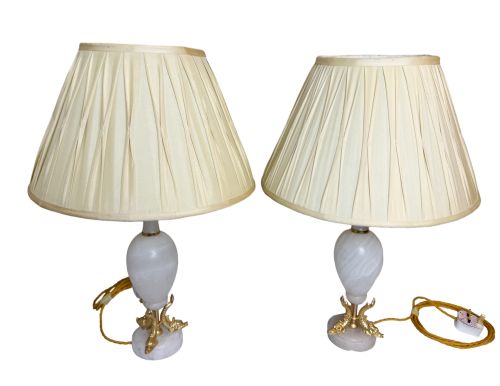
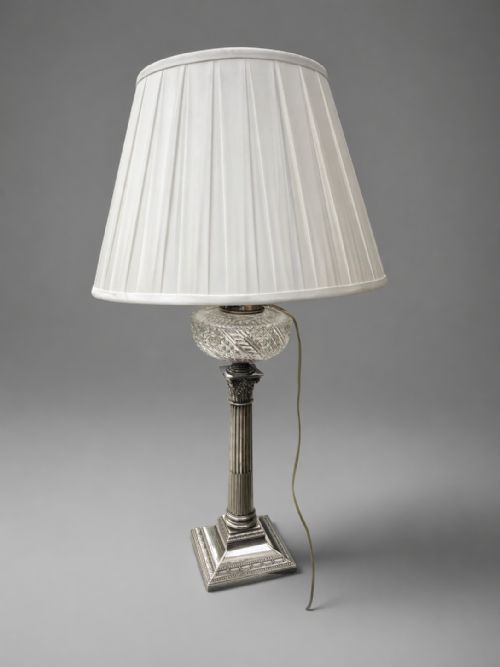
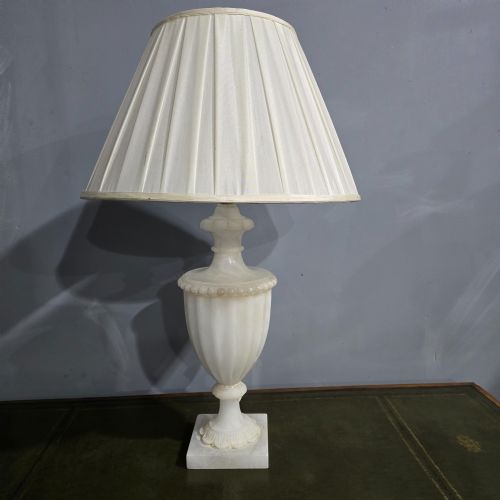
The construction of these lamps relies heavily on worked metals such as brass, silver plate, and ormolu, frequently paired with turned stone bases like alabaster, marble, or onyx. Artisans shaped these rigid materials through casting, turning, and mounting.
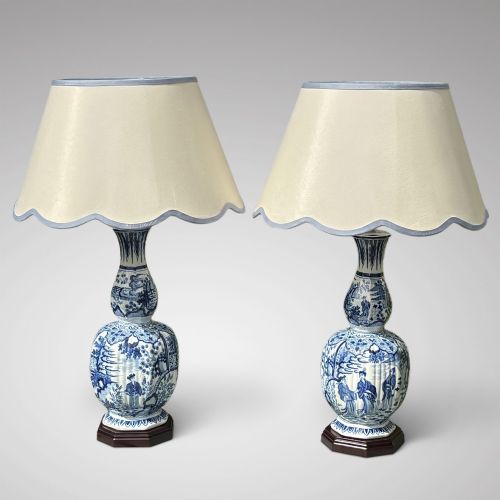
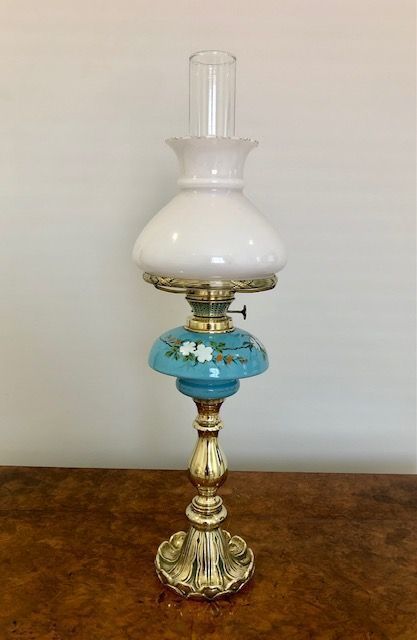
Translucent elements frequently incorporate opaline glass, cut crystal, and porcelain, sometimes taking the form of converted antique vases or ginger jars. Wiring and fittings were often added later to adapt oil burners and candleholders for electricity.
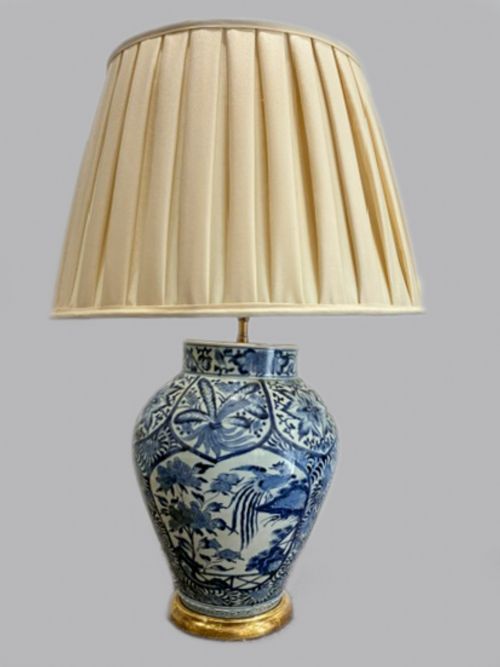
Several lamps on this page began life as nineteenth-century Chinese ginger jars before finding a second career holding lightbulbs.
What varies in quality
The distinction between ordinary and superior pieces rests on the weight and finish of the materials. Solid cast brass, finely chased ormolu mounts, and hand-cut crystal demonstrate a higher level of workshop skill than stamped sheet metal.
The integrity of the conversion and the harmony of the components also dictate the standard of the piece. Lamps that retain original period shades, balanced proportions, and careful structural adaptations command greater appreciation among collectors.
Ernst Bohne and Sohn·Wild and Wessel·Farraday and Son
The White Shade Desk Lamp Glossary
- Opaline glass
- A milky, semi-translucent glass popular in the nineteenth century for diffusing light softly. It is frequently found in globe and bell-shaped shades.
- Ormolu
- Gilt bronze ornamentation applied to furniture and lighting fixtures. This technique involves coating cast bronze with a finely ground gold amalgam.
- Arita
- A Japanese porcelain tradition originating from the town of Arita. Pieces from this tradition were often exported and later converted into European lamps.
- Crackleware
- Pottery featuring a network of fine cracks intentionally created in the glaze during firing. This technique adds texture and visual depth to ceramic bodies.
- Bases
- The foundational support of a lamp, often weighted with metal or stone to ensure stability. They range from simple black glass disks to elaborate paw feet.
White Shade Desk Lamp: Frequently Asked Questions
How do I date a desk lamp?
Dating relies on examining the materials, manufacturing marks, and stylistic indicators present in the base and fittings. Victorian and Edwardian examples often feature heavy brass construction or ceramic bodies, while Art Deco pieces tend toward chrome, polished white metal, and geometric parchment.
Changes in wiring standards and switches also offer clues to age, though many older lamps have been rewired for modern use. Comparing the construction methods to documented periods helps establish a reliable timeline.
Are converted oil lamps safe to use?
Converted oil lamps are generally safe provided the internal wiring has been updated by a qualified professional to meet current electrical standards. The process typically involves running a cord safely through the original burner or font without compromising the antique structure.
Inspecting the socket, cord, and stability of the base ensures the lamp functions properly in a modern home environment. Many collectors value these conversions for blending historic craftsmanship with practical daily utility.
What is opaline glass?
Opaline glass is a pale, translucent material developed to soften and diffuse the glare from oil flames or early electric bulbs. Its milky appearance provides an even, gentle spread of light ideal for reading desks and workspaces.
This glass type was widely utilised across the nineteenth century in shades and globes. It remains prized for its subtle coloration and tactile quality.
How do I style a period lamp?
Integrating an antique lamp into a contemporary room involves balancing its distinct historical aesthetic with surrounding furnishings. Placing a brass or marble model on a wooden desk creates a grounded, purposeful focal point.
Allowing the lamp to serve as both a functional task light and a decorative object highlights its craftsmanship. Pairing it with simple, neutral surroundings lets the material details stand out.