



White Pottery Tableware
White pottery tableware brings practical elegance to the table, spanning centuries of versatile ceramic design from simple earthenware to refined porcelain.
White Pottery Tableware
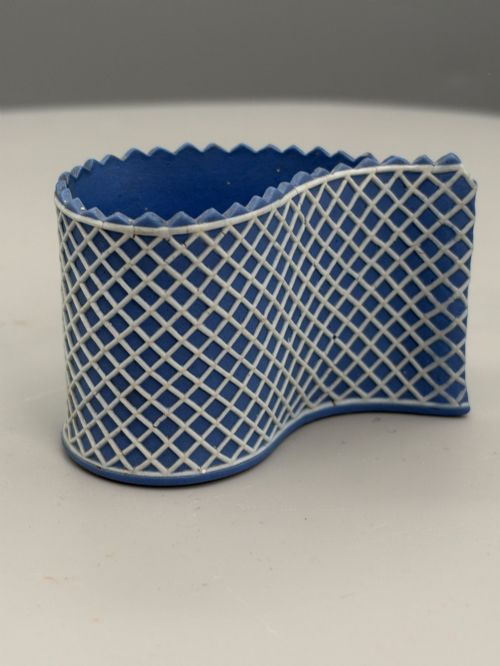
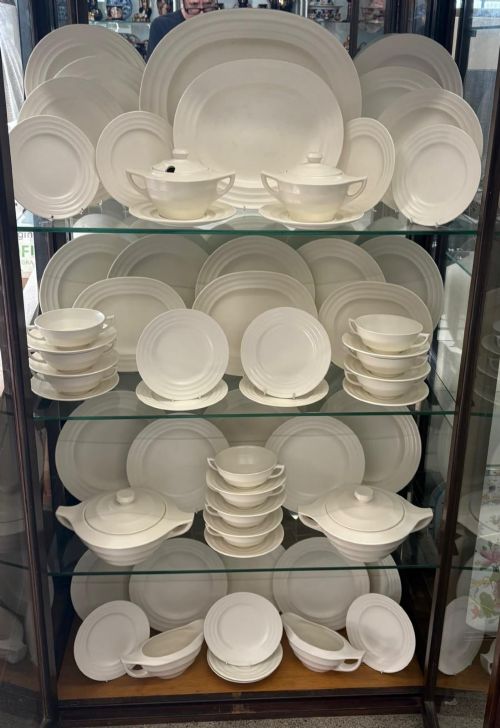
The physical scale and utility of these items vary considerably, from small individual custard cups and pickle dishes to comprehensive dinner and supper services. French faience double sauceboats and Quimper table salts sit alongside English earthenware platters and Japanese porcelain plates. Each piece reflects the dining habits and aesthetic preferences of its specific era.
Materials and construction
Potters utilised foundational materials such as earthenware, pearlware, and ceramic bodies, often finishing the surfaces with a protective glaze. Some items incorporate delicate touches of gold leaf, while others rely on intricate transfer printing techniques in blue and white or hand-painted details. Faience production involved tin-glazing over earthenware to create an opaque white canvas suitable for detailed pigments.
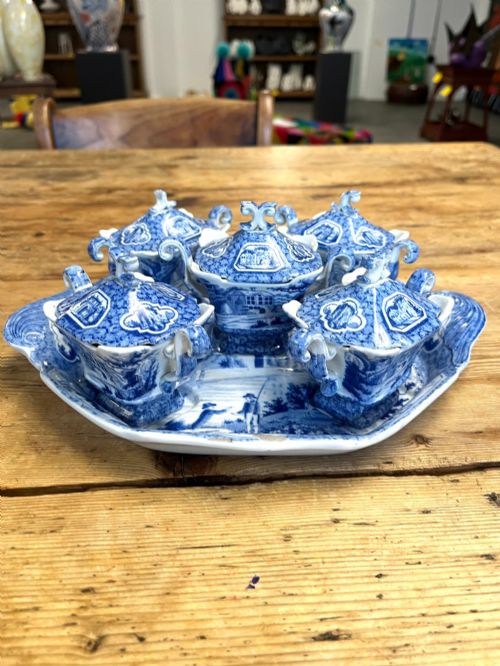
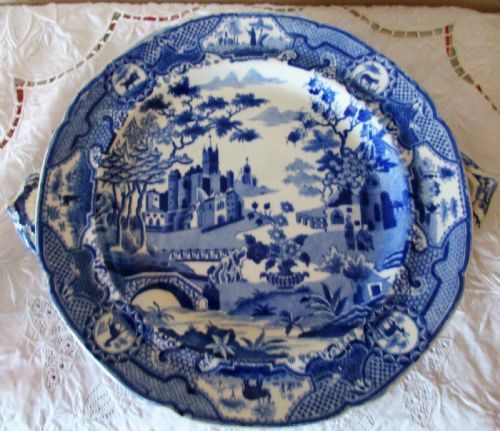
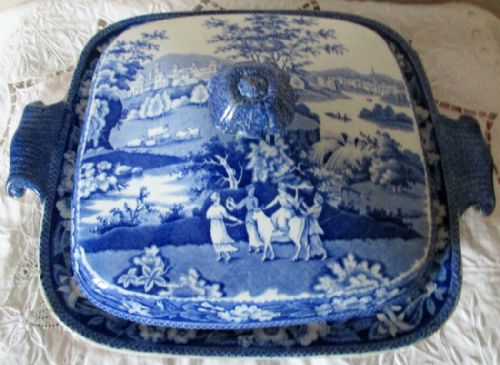
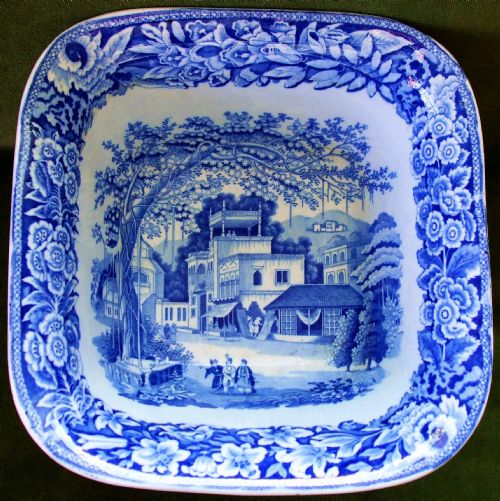
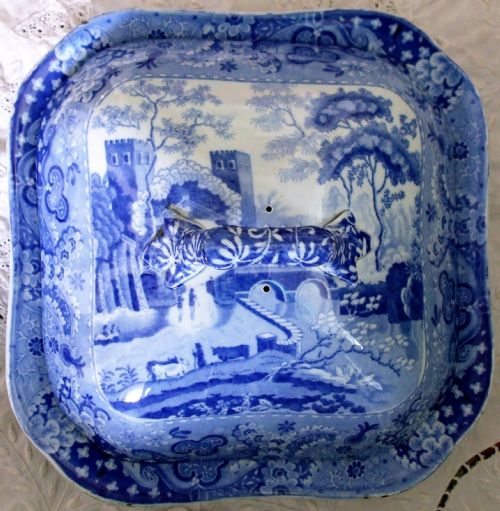
Porcelain manufacturing demanded high-temperature firing of refined clay mixtures to achieve a hard, translucent white body. Transfer printing allowed makers to apply complex pictorial scenes, such as Gothic castles or eastern street views, onto the pottery surface before glazing and final firing. Potters shaped these materials into functional vessels like hot-water plates, lidded tureens, and jam pots.
White Pottery Tableware Retail Price Guide 2026
Typical asking prices for white pottery tableware among the pieces listed under this phrase on Sellingantiques today, from the lower quarter to the upper quarter. They describe what is for sale here now, not the wider market.
Early dining rooms occasionally required hotel ice water jugs and cheese dishes, proving that historic Victorians took their hydration and dairy very seriously.
Assessing quality and execution
Quality in white pottery tableware rests upon the refinement of the ceramic body and the precision of the form. Thinner walls, crisp moulding on tureens, and an even, unblemished glaze distinguish superior examples from heavier, utilitarian wares. The clarity of transfer-printed scenes or the hand-painted brushwork on faience plates further elevates a piece.
Completeness and condition heavily influence the standing of a set, particularly for dinner services, supper sets, and boxed Japanese porcelain plates. Original covers, ladles, and matching storage containers remaining intact with the main vessel indicate better preservation and higher desirability among collectors.
Spode·Wedgwood·Keith Murray·J. and R. Riley·J. and R. Clews·William Adams·Ridgways
The White Pottery Tableware Glossary
- Pearlware
- A refined earthenware developed in the late eighteenth century featuring a subtle bluish-white glaze that pooled in crevices. It bridged the gap between creamware and true porcelain.
- Faience
- Tin-glazed earthenware produced in France and continental Europe, known for its opaque white surface and suitability for hand-painted decoration. It offers a smooth field for polychrome and monochrome designs.
- Transferware
- Pottery decorated by applying a printed design from an engraved copper plate onto tissue paper, which was then transferred onto the unglazed or biscuit ceramic surface. This technique enabled mass production of detailed pictorial patterns.
- Tureen
- A deep, covered serving vessel primarily used for soups, sauces, or vegetables at the dining table. They frequently feature matching stands or ladles.
- Caughley
- An eighteenth-century English porcelain manufactory known for producing delicate blue and white wares, including fisherman and cormorant patterned pickle dishes.
White Pottery Tableware: Frequently Asked Questions
How do I care for antique tableware?
Antique ceramic tableware requires careful hand washing in lukewarm water with mild detergent, avoiding modern dishwashers and harsh abrasives. Sudden temperature changes should be prevented to protect the historic glaze.
Displaying pieces away from direct sunlight preserves hand-painted pigments and prevents any deterioration of delicate materials.
What distinguishes pearlware from earthenware?
Pearlware contains a small amount of cobalt in the transparent glaze, which counteracts the natural yellowish tint of the underlying fired clay. This created a much whiter appearance that imitated Chinese export porcelain more closely than standard creamware.
Most pearlware dates from the late eighteenth century through the early decades of the nineteenth century.
Were Quimper pieces made in sets?
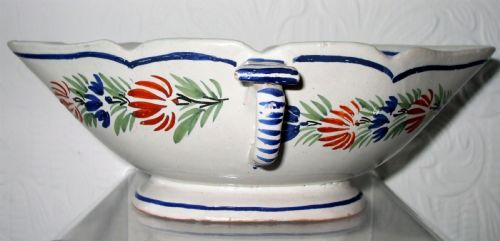
Quimper pottery from France often included specialised table items like double sauceboats and double table salts designed for communal dining arrangements. These items were individually hand-painted with traditional regional motifs.
Matching sets or paired items from Quimper workshops reflect rural French dining traditions.