



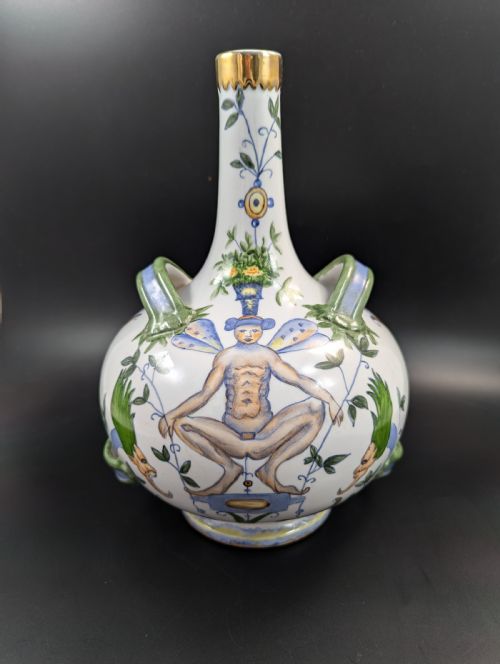


White Porcelain Flask
A white porcelain flask offers a striking blend of utility and form, spanning centuries of global ceramic tradition from Qing dynasty snuff bottles to Japanese sake flasks.
White Porcelain Flask
When you search for a white porcelain flask, you encounter a diverse array of small vessels, ranging from moon flasks and sake flasks to snuff bottles and scent bottles. These pieces cross various cultural traditions, including Chinese Qing dynasty wares, Japanese Edo period items, and European Victorian pieces.
The selection on this page most frequently presents smaller portable vessels like snuff and scent bottles, alongside larger moon flasks and wine bottles. Forms vary from flattened circular shapes to traditional Japanese tokuri and kendi vessels.
Origin periods stretch from the seventeenth century through the nineteenth century and into the twentieth century, reflecting both Asian export wares and European interpretations. Each period brings distinct decorative approaches, from plain white finishes to intricate enamel and cobalt oxide painting.
Distinguishing quality
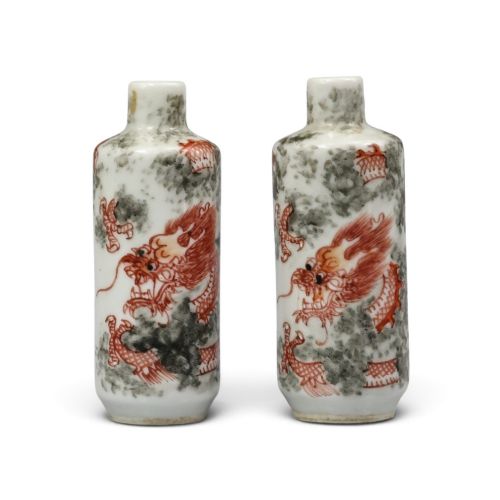
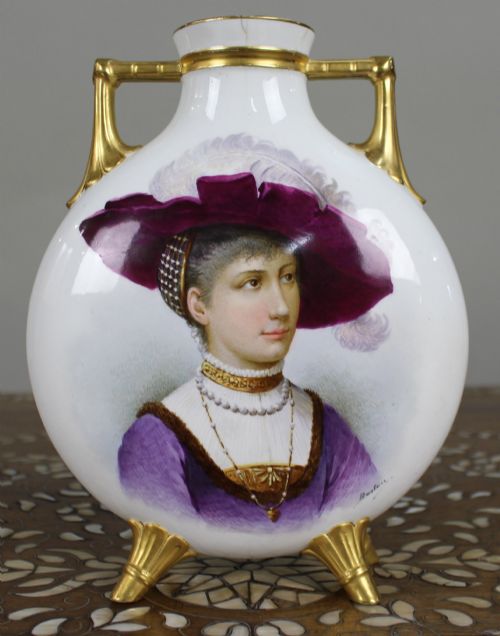
Quality in these flasks rests upon the fineness of the porcelain body and the precision of any hand-painted decoration, such as iron-red dragons or intricate armorial motifs. Superior examples display crisp definition in moulded or carved details and careful control during the firing and glazing processes.
The presence of artist signatures, specific period marks, or well-preserved gilding also elevates a piece. Lesser examples may exhibit simpler execution in the painted elements or standard production finishes without individual artist attribution.
White Porcelain Flask Retail Price Guide 2026
Typical asking prices for white porcelain flask among the pieces listed under this phrase on Sellingantiques today, from the lower quarter to the upper quarter. They describe what is for sale here now, not the wider market.
Listings feature porcelain pieces spanning the seventeenth century through to the 1930s, incorporating materials such as enamel, gilt, and jade.
The White Porcelain Flask Glossary
- Tokuri
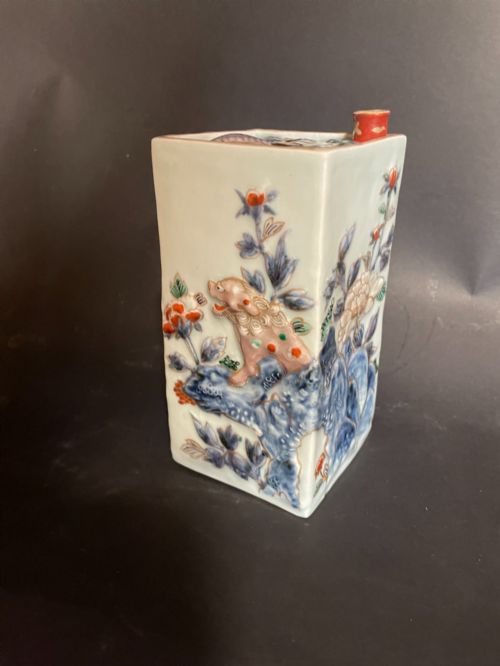
- A traditional Japanese sake flask used for serving rice wine. These vessels typically feature a rounded body with a narrow neck.
- Moon flask
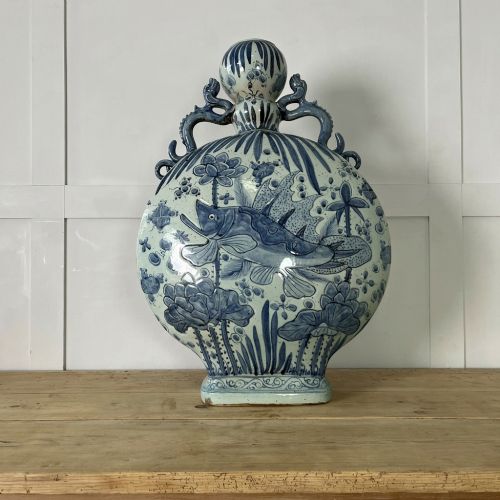
- A flattened spherical flask with a circular body, often fitted with small side handles and a short neck. This form draws inspiration from traditional pilgrim flasks.
- Kendi
- A spouted ritual vessel or drinking vessel originating in Southeast Asia and produced in Chinese export kilns. They are characterised by a globular body and a distinct central spout without a handle.
- Parian ware
- A type of fine biscuit porcelain developed in the nineteenth century that resembles carved marble. It is frequently used for Victorian decorative items and scent bottles.
- Cobalt oxide
- A mineral pigment used under the glaze to produce deep blue designs on porcelain. It remains stable at high kiln temperatures.
White Porcelain Flask: Frequently Asked Questions
What is a moon flask?
A moon flask is a flat-backed ceramic vessel with a circular body designed to stand upright on a small base or hang by side handles. These pieces often feature painted or glazed decoration on both main faces.
Historically used for travel or display, they range from compact desk accessories to large decorative statement pieces.
How were Japanese sake flasks used?
Japanese sake flasks, known as tokuri, served to hold and warm rice wine before pouring it into small cups during meals or ceremonies. Their narrow necks helped retain the temperature of the liquid.
Collectors prize them for their functional forms and varied regional glazes.
What are snuff bottles?
Snuff bottles are small, portable containers used to hold powdered tobacco introduced during the Qing dynasty. They feature tight-fitting stoppers with tiny attached spoons for portioning.
Craftsmen lavished incredible detail on these miniature objects, utilising porcelain, enamel, and hand-painted scenes.
How do I date an antique porcelain flask?
Dating relies on examining the characteristics of the porcelain body, the style of the glaze, and any painted motifs or reign marks. Comparing the potting technique and base finish with documented examples helps establish the period.
Consulting historical styles from periods like the Qing dynasty or Victorian era narrows down the origin further.