


White Plant Stand
A white plant stand lifts greenery into the light, bringing structure and height to rooms and gardens alike through varied iron, wood, and marble forms.
White Plant Stand
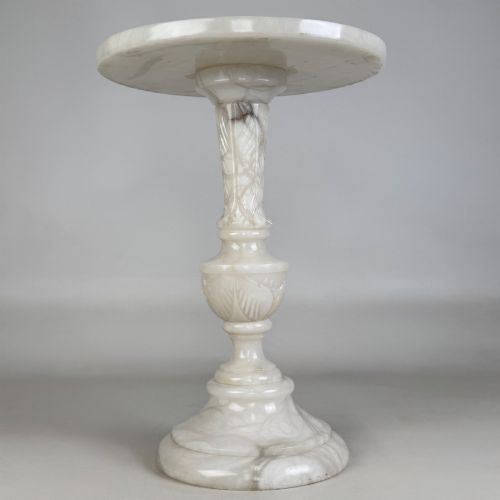
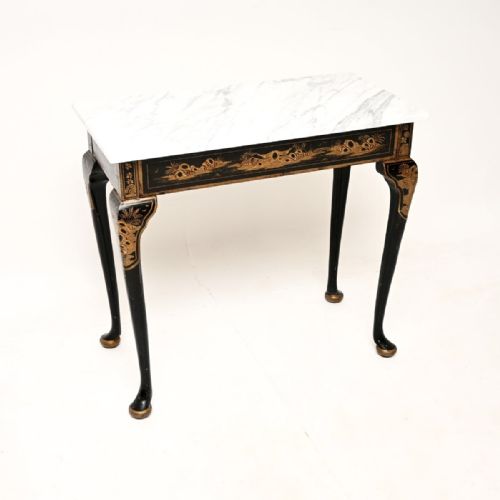
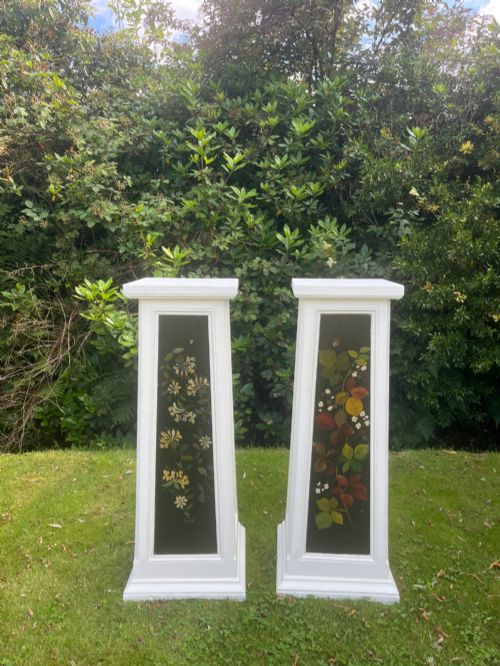
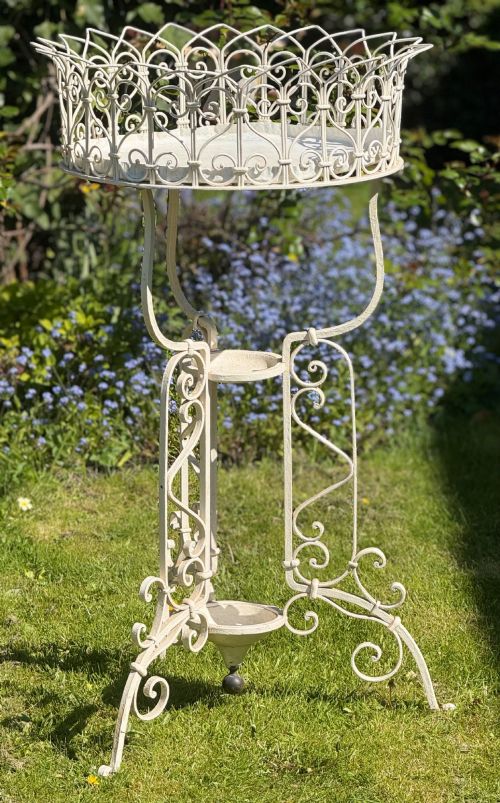
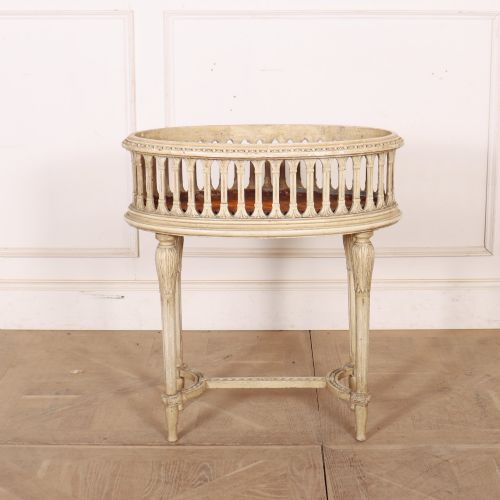
A white plant stand encompasses a diverse range of elevations designed to hold flora, from tiered wirework and heavy cast iron columns to delicate painted pedestals. When searching for a white plant stand, buyers encounter pieces originating from the nineteenth and twentieth centuries, spanning Victorian, Edwardian, and Neoclassical styles.
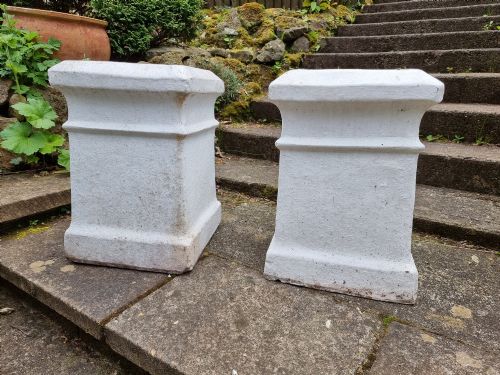
The objects take many forms on this page, including side tables, jardinières, plinths, and garden urns. These serve primarily to elevate plants or sculptures within interior spaces, conservatories, and patios.
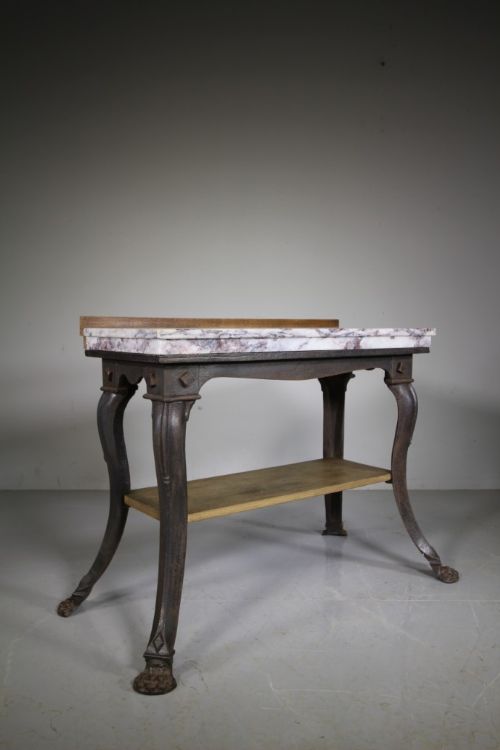
The selection ranges from robust outdoor ironwork designed to weather the elements to refined indoor marble and gilt side tables. Each item reflects the domestic or garden architecture of its specific period, whether industrial wirework or classical revivalism.
Materials and Construction Techniques
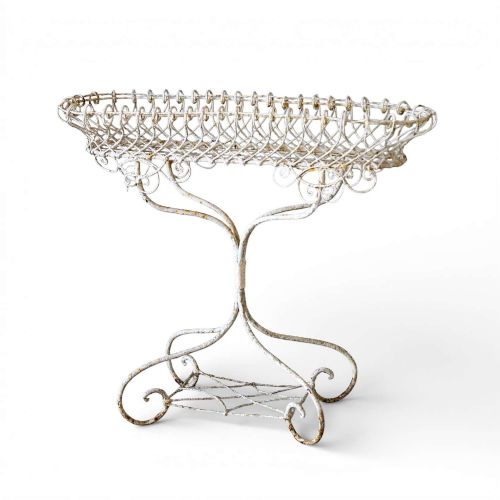
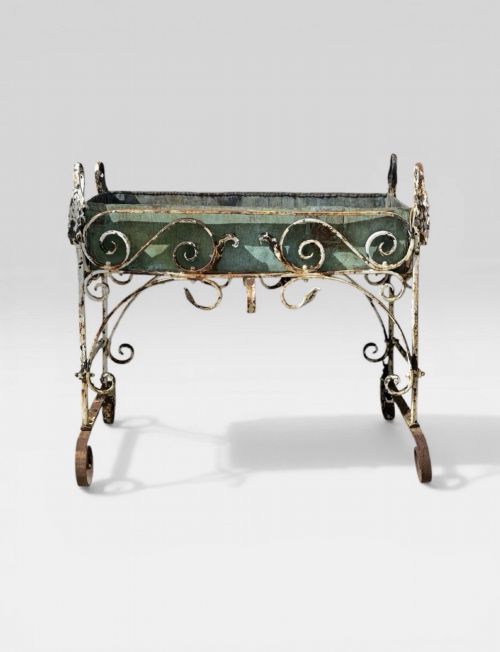
Metalworking dominates the construction of these stands, utilising wrought iron, cast iron, and wirework shaped into scrollwork, lattice baskets, and tiered frames. Paint finishes applied over metal or wood provide the characteristic white surface.
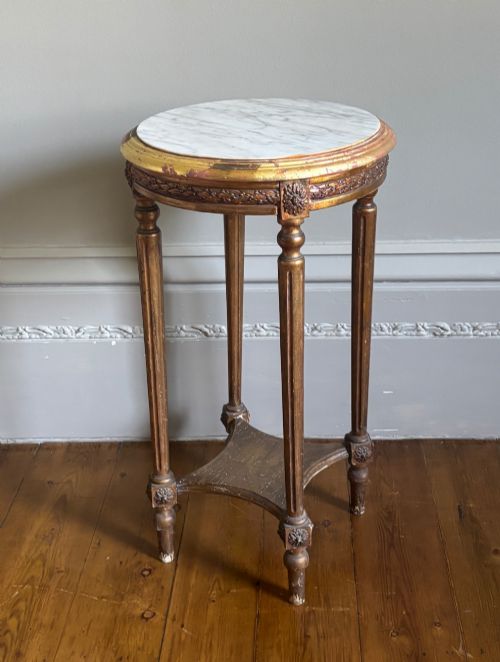
Masonry and stone feature prominently through the use of marble, alabaster, scagliola, and onyx for tops and columns. These heavy materials provide stability for tall pedestals and often incorporate engraved pillars or socle bases.
Cabinetmaking techniques appear in wooden and gilt frames, featuring carved details and lacquered finishes. Combinations of iron, brass, and stone demonstrate the mixed-media approach common in nineteenth and twentieth-century workshops.
White Plant Stand Retail Price Guide 2026
Typical asking prices for white plant stand among the pieces listed under this phrase on Sellingantiques today, from the lower quarter to the upper quarter. They describe what is for sale here now, not the wider market.
Listings feature items from the 1880s to the 1930s, constructed from painted wood, wrought iron, and variegated marble.
Assessing Quality and Execution
Quality rests upon the integrity of the materials and the crispness of the workmanship, such as hand-forged scrollwork on iron stands or finely carved details on marble columns. Heavier cast elements and genuine stone indicate superior execution compared to lighter substitutes.
The harmony of the design and the preservation of the original painted surface dictate the standing of a piece. Original or patinated paint finishes carry greater integrity than later, unsympathetic re-painting that obscures underlying details.
Derby Porcelain
The White Plant Stand Glossary
- Jardiniere
- An ornamental pot or stand for plants, usually designed for indoor display. These often feature decorative ceramic, metal, or wooden bodies.
- Torchere
- A tall ornamental stand or candlestick, frequently adapted to hold figures, vases, or plants. They typically feature slender columns elevated on a stable base.
- Scagliola
- A composite material made from selenite, glue, and pigments, used to imitate marble and other stonework. Artisans apply and polish it to create decorative architectural columns and table tops.
- Wirework
- Metal strands bent and welded into open, airy structures, particularly popular in Victorian garden furniture and conservatory plant stands. This technique allowed for lightweight yet durable plant displays.
White Plant Stand: Frequently Asked Questions
Where should I place a plant stand?
These stands suit conservatories, living rooms, and sheltered patios where natural light highlights their form and supports plant growth.
Tall pedestals work well in corners or framing doorways, while lower tiered wirework fits neatly against walls or windows.
Can these stands stay outside?
Cast iron and wrought iron pieces tolerate garden conditions well, particularly when protected by durable painted finishes.
Delicate giltwood, alabaster, and interior marble pieces require indoor placement to prevent moisture damage and surface wear.
How do I identify the period?
Periods reveal themselves through a combination of materials, construction marks, and stylistic influences such as Victorian scrollwork or Neoclassical columns.
Heavier wirework and elaborate cast iron generally point to nineteenth-century manufacture, while sleeker stone and brass lean towards the twentieth century.
What is the difference between a pedestal and a jardiniere?
A pedestal acts as a column or plinth designed to elevate a bust, vase, or potted plant above floor level.
A jardiniere incorporates a built-in container or basket specifically intended to hold soil and plants directly within its structure.