



White Pearlware Pottery
White pearlware pottery represents an early form of refined earthenware developed to rival Chinese porcelain, prized by collectors for its characteristic bluish glaze pooling in crevices.
White Pearlware Pottery
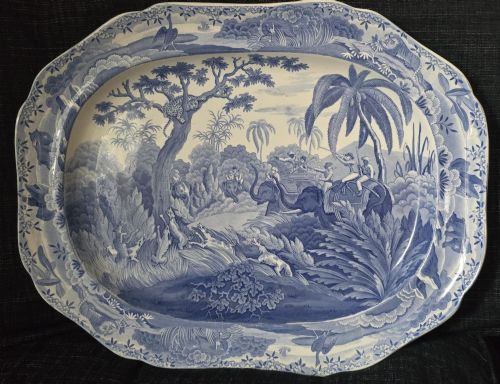
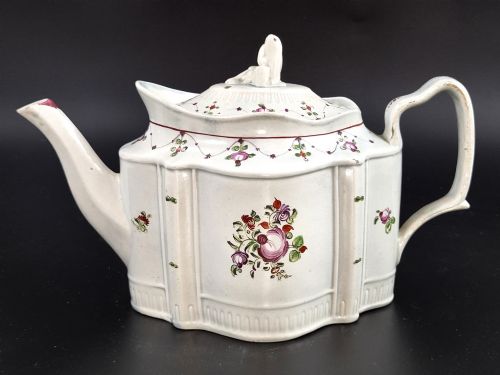
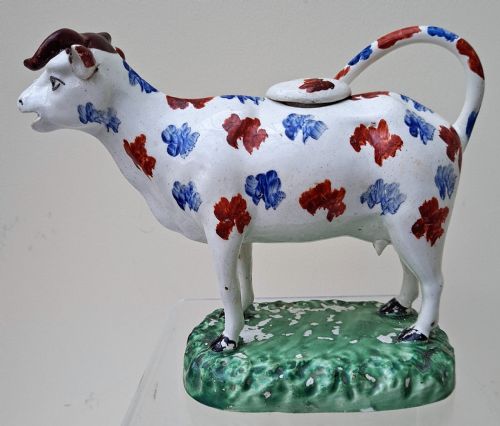
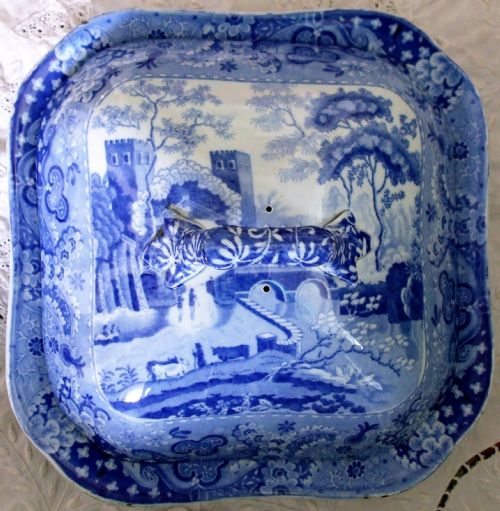
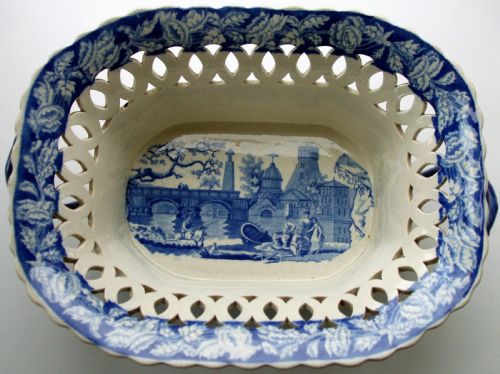
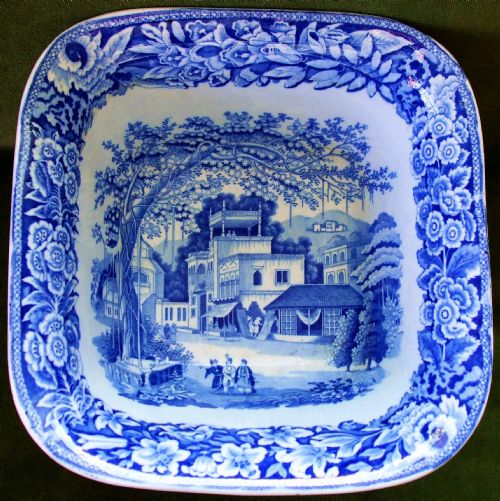
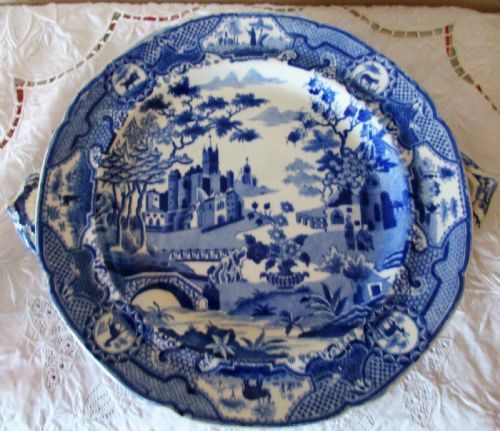
White pearlware pottery encompasses domestic tableware and decorative figures produced primarily during the Georgian and Regency periods, spanning the late eighteenth and early nineteenth centuries. The listings on this page reflect this era, showing items ranging from plates and serving platters to tureens and figural groups like sheep and snow leopards.
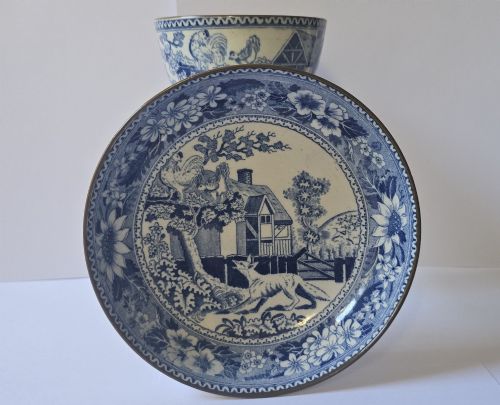
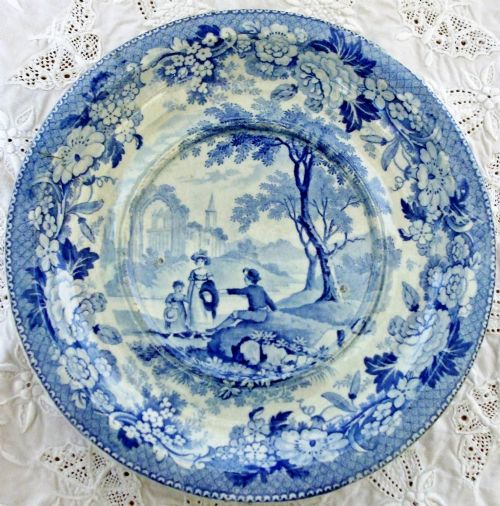
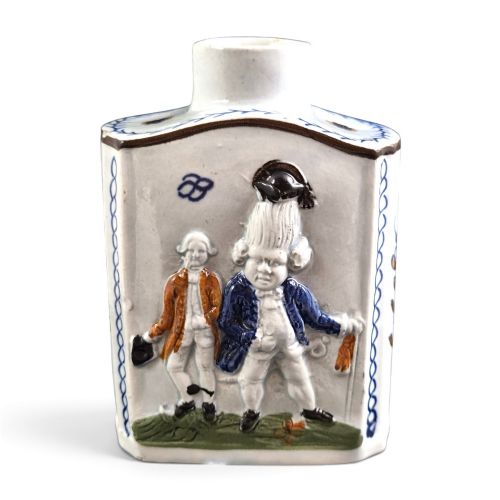
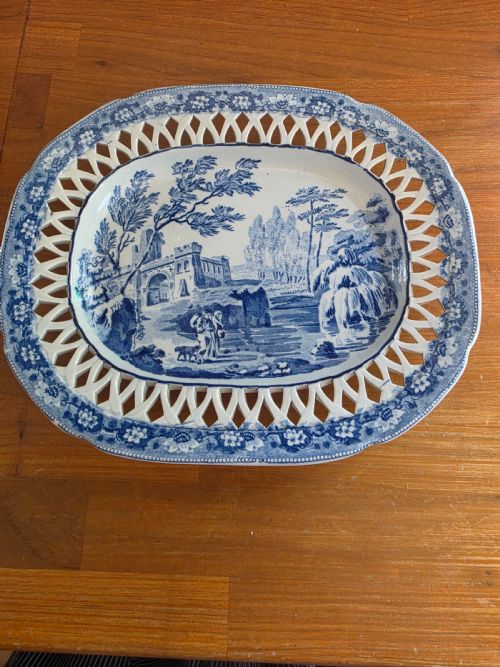
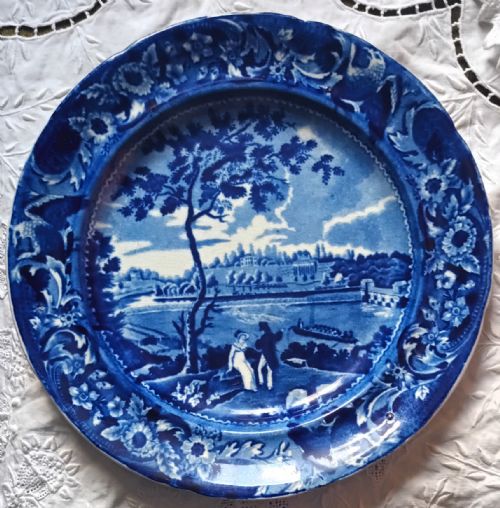
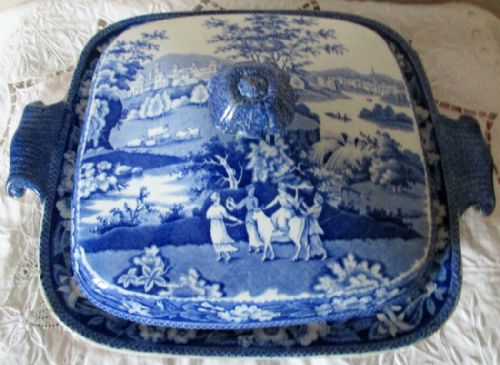
Buyers seeking white pearlware pottery will encounter various forms, including transfer-printed dishes featuring architectural or pastoral scenes, alongside utilitarian items such as tea canisters and frog mugs. These pieces bridge the gap between utilitarian kitchenware and cabinet displays, offering a tangible link to historical domestic life.
How they were made
Potters constructed white pearlware pottery using fine white earthenware clay bodies, incorporating a small amount of cobalt into the transparent lead glaze to counteract the natural yellowish tint of the fired body. This deliberate modification created the pale bluish hue characteristic of the ware, particularly visible where the glaze pooled in recesses and around foot rims.
Decoration relied heavily on underglaze blue transfer printing, applying intricate patterns derived from copper plates onto the ceramic surface before firing. Artisans also employed hand-painted enamel colours and occasionally added details in gold leaf or purple lustre to enhance specific forms.
White Pearlware Pottery Retail Price Guide 2026
Typical asking prices for white pearlware pottery among the pieces listed under this phrase on Sellingantiques today, from the lower quarter to the upper quarter. They describe what is for sale here now, not the wider market.
Listings feature white pearlware pottery from the Georgian and Regency periods, utilising earthenware bodies and cobalt glaze.
What varies in quality
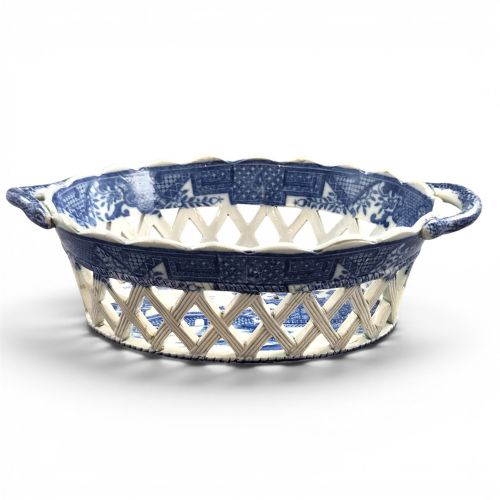
Quality in white pearlware pottery rests upon the crispness of the transfer-printed design and the evenness of the glaze application across complex forms such as reticulated chestnut baskets or pierced serving dishes. Finer examples display sharp, legible details in pastoral or Chinoiserie patterns without blurring or smudging from the printing process.
Spode·Davenport·J. & R. Clews·John Rogers and Son·Enoch Wood and Sons·William Adams
The White Pearlware Pottery Glossary
- Pearlware
- A refined earthenware body developed in the late eighteenth century featuring a thin glaze tinted with cobalt to imitate the whiteness of porcelain. It serves as the primary material for the items found in these listings.
- Transfer printing
- A method of applying detailed designs to ceramics by engraving a copper plate, inking it, and transferring the impression onto paper and then onto the clay body. This technique allowed for intricate topographical and figural scenes.
- Reticulated
- Describes ceramics featuring an openwork or pierced lattice design, commonly found on chestnut baskets and fruit dishes. This demanding technique required careful cutting of the leather-hard clay before firing.
- Lustre
- A metallic glaze application that produces an iridescent sheen on the ceramic surface, often seen in copper or purple tones on nineteenth-century jugs. It reacts with the kiln atmosphere to create a reflective metallic layer.
- Tureen
- A large, deep serving dish equipped with a lid, designed for holding soups, sauces, or vegetables at the dining table. These often included matching stands to protect the table surface.
White Pearlware Pottery: Frequently Asked Questions
How do I clean white pearlware pottery?
Wash these pieces gently by hand using lukewarm water and mild soap, avoiding abrasive sponges or modern dishwashers that can damage the historical glaze and any enamel or gold leaf details.
Ensure items are dried thoroughly with a soft cloth to protect the porous earthenware body beneath the surface glaze.
Can I use these plates for dining?
While these items were originally created for functional domestic use, centuries of ageing mean the ceramic and glaze can be vulnerable to thermal shock and modern acidic foods.
Displaying them safely in cabinets or on walls preserves their structural integrity for the future.
What periods do these pieces date from?
The items collected here primarily date from the Georgian and Regency eras, spanning roughly from the late eighteenth century through to the early nineteenth century.
Makers active during this window established the distinct manufacturing techniques characteristic of early English earthenware.