






White Painted Console
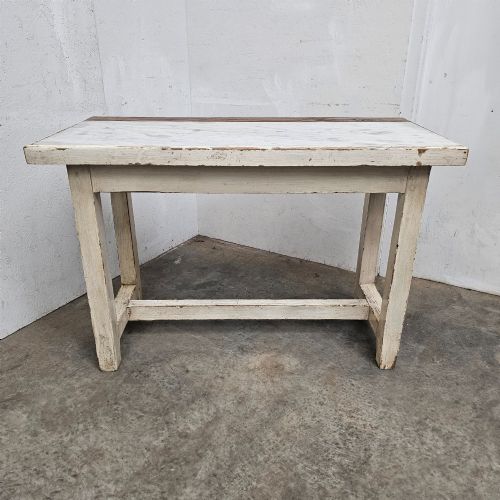
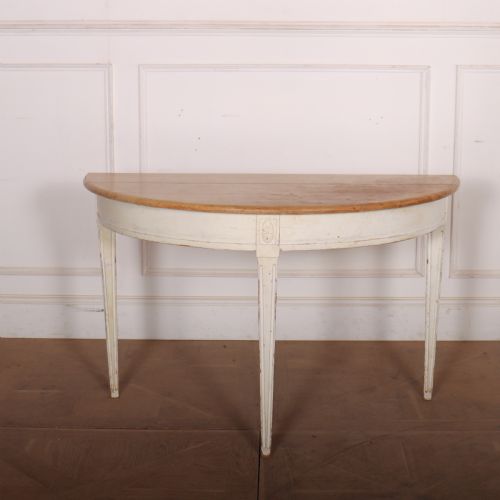
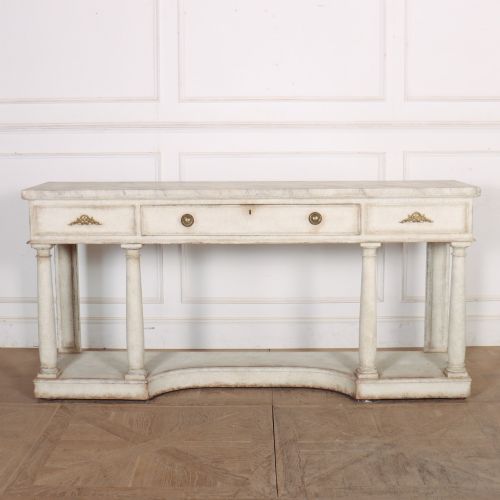
White painted console pieces are characterful tables that bring light and classical proportion to a hallway or reception room.
White Painted Console
A white painted console table serves primarily as a decorative yet practical surface for hallways, drawing rooms and dining spaces. When searching for a white painted console, buyers encounter an array of wall-mounted brackets, demi-lune tables, and substantial marble-topped serving pieces dating from the eighteenth century through to the nineteen-thirties.
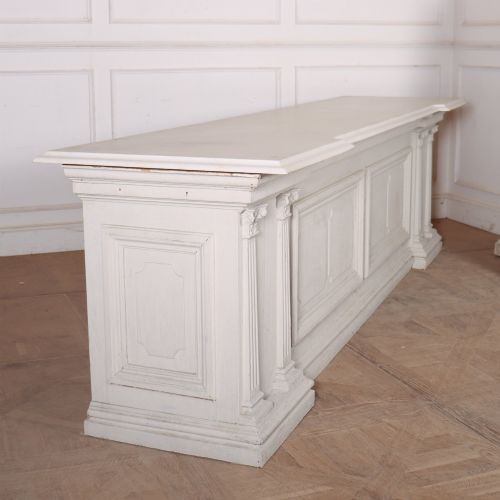
The selection on this page leans heavily towards continental European craftsmanship, featuring frequent examples originating from France and Sweden alongside English country pieces. These items range from compact side tables to grand architectural console tables intended for display against a wall.
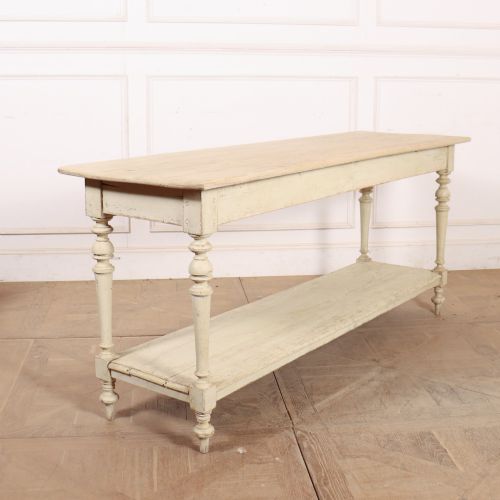
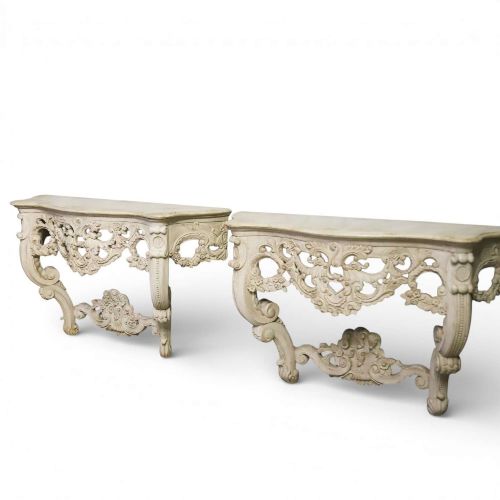
Forms vary from serpentine front commodes and prep tables to slender wall-mounted console shelves and pairs of bedside tables. Many examples incorporate classical styling cues such as neoclassical proportions or French rococo curves beneath their aged painted surfaces.
How they were made
Makers constructed these tables predominantly from sturdy woods such as pine and general timber frames, often applying layers of gesso to build up smooth decorative surfaces before painting. Many pieces feature hand-carved ornamentation, reflecting the time-intensive labour required to shape wood prior to finishing.
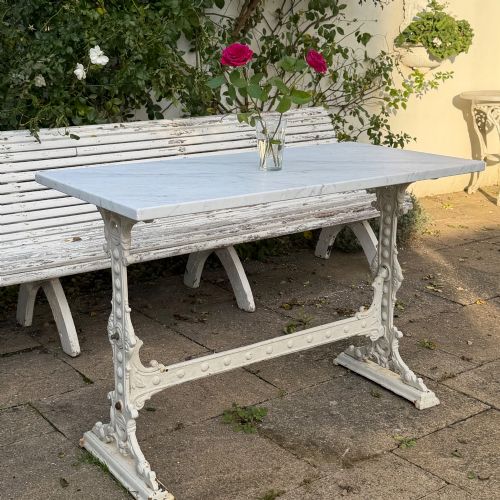
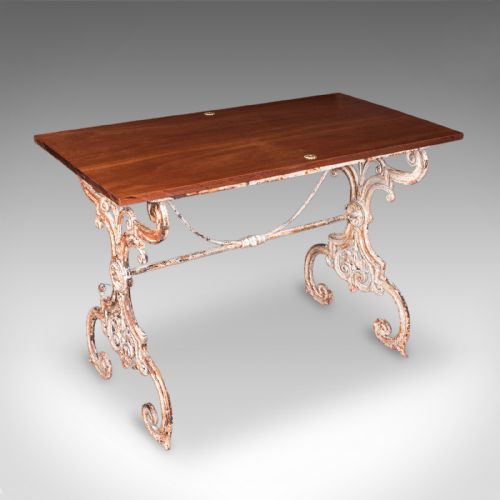
Countertops and upper surfaces frequently employ heavy marble or inset stone slabs set into wooden frames, particularly on French prep tables and grand console designs. Cast iron and steel appear in garden and terrace variants, combining robust metal frames with stone tops.
The characteristic aged appearance relies on traditional paint applications, sometimes combined with giltwood highlights or layered lacquering to create depth. These finishes have weathered naturally over the decades, developing patinas born of age and usage.
White Painted Console Retail Price Guide 2026
Typical asking prices for white painted console among the pieces listed under this phrase on Sellingantiques today, from the lower quarter to the upper quarter. They describe what is for sale here now, not the wider market.
Listings feature white painted console items spanning the eighteenth century, the Victorian era, and into nineteen-thirty.
What varies in quality
The distinction between ordinary and superior pieces rests on the integrity of the carving and the harmony of proportions. Finer examples display crisp hand-carved details that retain their definition beneath layers of historic paint rather than soft, mass-produced moulding.
Material selection plays a critical role, particularly in the weight and figuring of fitted marble tops or the structural soundness of the underlying timber frame. Original painted surfaces that show honest wear carry greater aesthetic merit than heavy modern repainting.
Design sophistication separates standard utility tables from exceptional decorative consoles. Pieces featuring complex demi-lune shapes, serpentine fronts, or matched pairs command attention for their symmetry and presence.
The White Painted Console Glossary
- Demi-lune
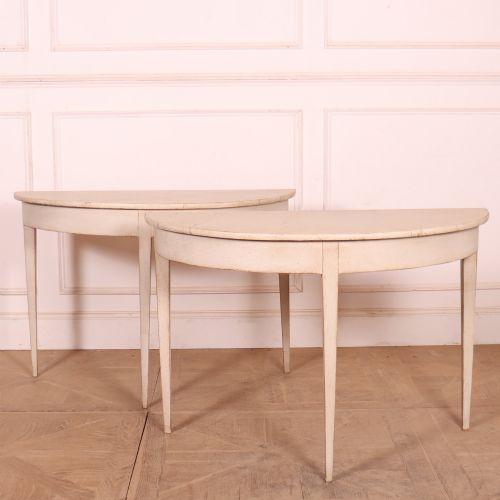
- A half-moon shaped table designed to sit flush against a wall. This form allows the console to occupy minimal floor space while providing a useful display surface in narrow hallways.
- Gesso
- A plaster-like mixture applied to wood surfaces as a base for paint or gilding. It provides a smooth ground that accepts fine carving detail.
- Console table
- An architectural table supported by wall brackets or legs, historically designed to stand against a wall. Many variants rely on the wall for part of their structural support.
- Chinoiserie
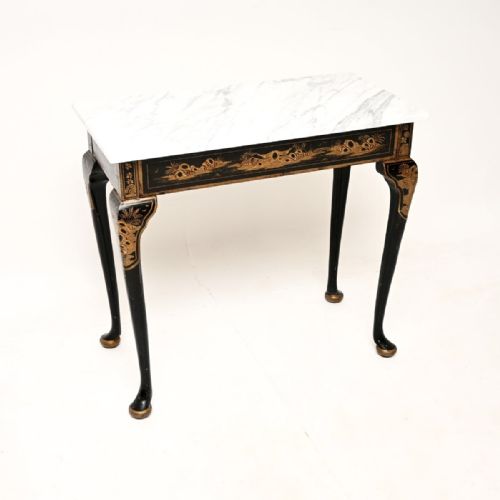
- European decorative art imitating Chinese artistic styles, often featuring lacquered finishes and painted motifs. It appeared frequently on fashionable furniture during the Victorian era.
- Giltwood
- Timber coated with gold leaf or a gold-coloured metallic finish. It often accents white painted woodwork on grander neoclassical and baroque pieces.
White Painted Console: Frequently Asked Questions
Where should I place a white painted console?
These tables find a natural home in entrance halls, narrow corridors, or behind sofas where surface space is required without bulk. Their reflective painted finishes help brighten darker transitional areas in a house.
Larger variations with marble tops also suit dining rooms as serving surfaces or living rooms for displaying lamps and decorative objects.
Are these tables sturdy enough for daily use?
Most antique console tables were built for practical domestic or institutional service, utilising solid timber frames and heavy stone tops. Wall-mounted variants require secure fixing to a solid wall to bear weight safely.
Freestanding demi-lune and side tables offer reliable daily utility for holding keys, books, and everyday items.
How do I care for an antique painted finish?
Historic painted surfaces benefit from gentle dusting with a dry, soft cloth to prevent dirt accumulation. Avoid harsh chemical cleaners or excessive moisture that might lift fragile paint or gesso layers.
Marble tops require simple wiping with a damp cloth and neutral soap to prevent staining from liquids.
How can I tell a French console from an English one?
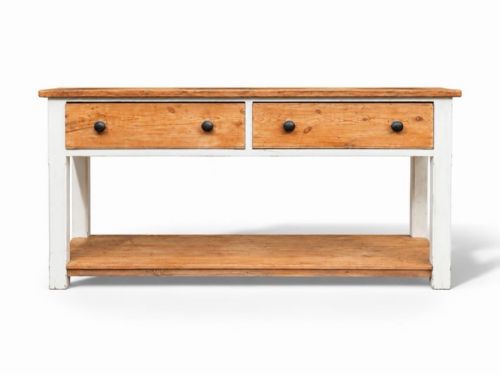
French examples often lean towards rococo curves, carved floral motifs, and substantial marble tops designed for formal reception rooms. English versions frequently display simpler country house lines, pine construction, or utilitarian drawer arrangements.
Swedish pieces tend to feature lighter neoclassical restraint and pale grey or white painted finishes.