




White Metal Table
When you need a white metal table, these practical pieces bring durable structure and period character to gardens, conservatories, and rooms alike.
White Metal Table
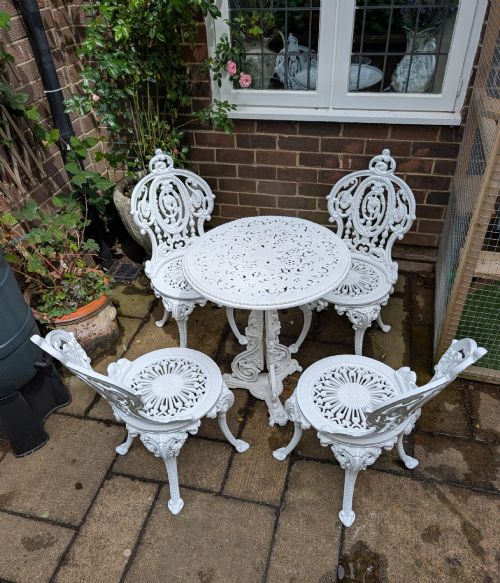
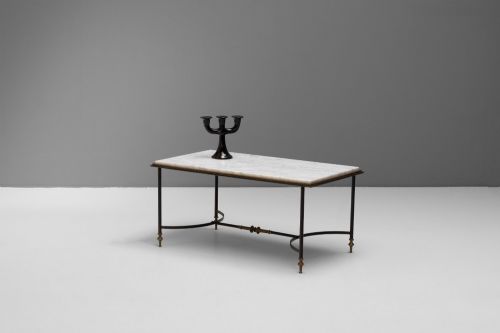
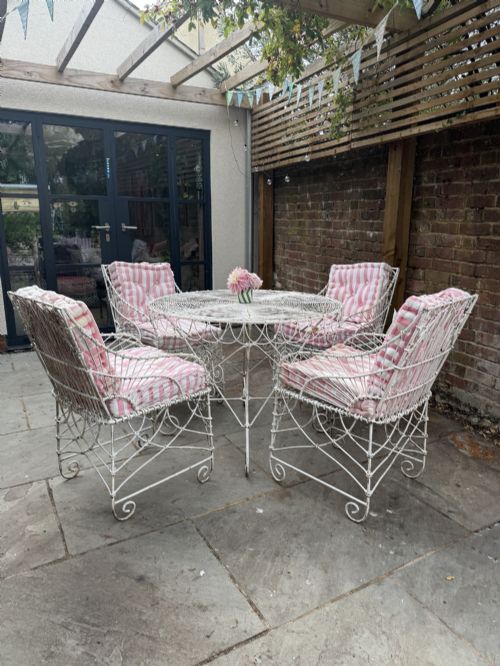
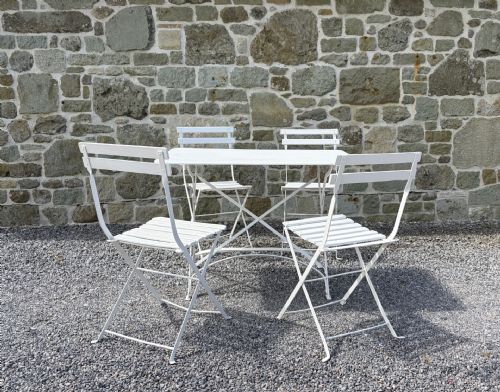
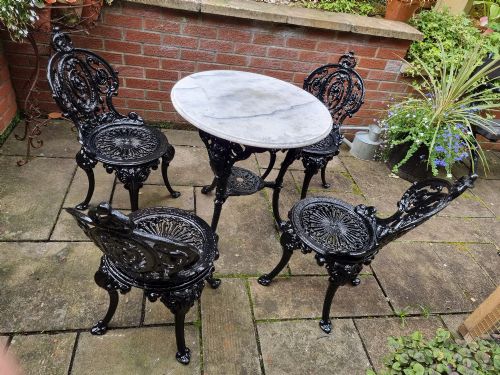
A white metal table spans several distinct forms, most frequently appearing as garden furniture, bistro sets, and occasional coffee tables. The selection ranges from nineteenth-century cast iron designs to twentieth-century garden pieces and indoor occasional tables.
You will encounter pieces styled across various traditions, including French country, Art Deco, and revival aesthetics. Many examples combine metalwork with other materials such as marble, glass, or wood to form functional surfaces.
The origins stretch from Victorian Britain to early twentieth-century France and beyond. Buyers select these tables for practical utility in outdoor spaces or as decorative accent pieces inside the home.
Materials and construction methods
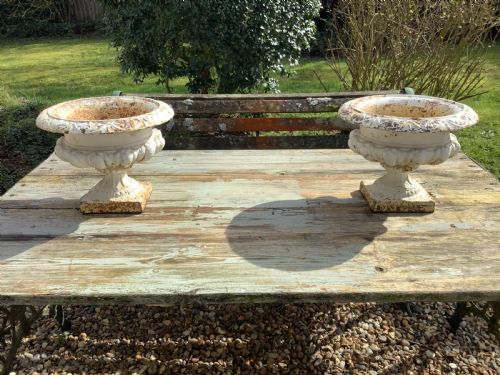
Makers utilised robust metals like cast iron, wrought iron, and steel for structural frames and outdoor stability. Paint finishes were frequently applied over these metals to provide protection and colour.
Table tops incorporate contrasting materials such as white marble, opaque glass, wood, and steel. These combinations required precise fitting between the metal base and the stone or glass surface.
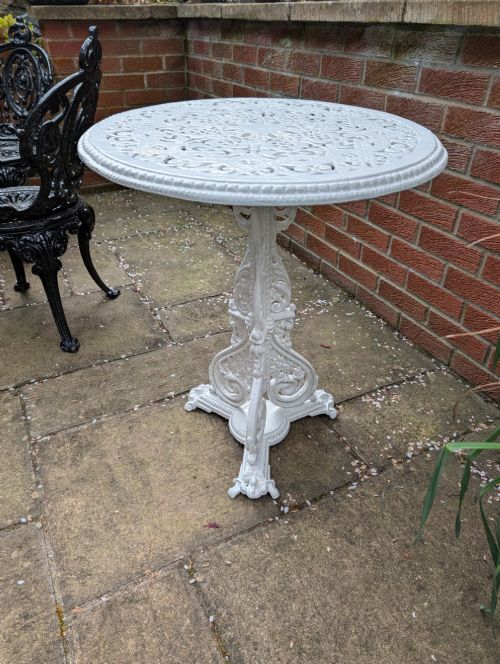
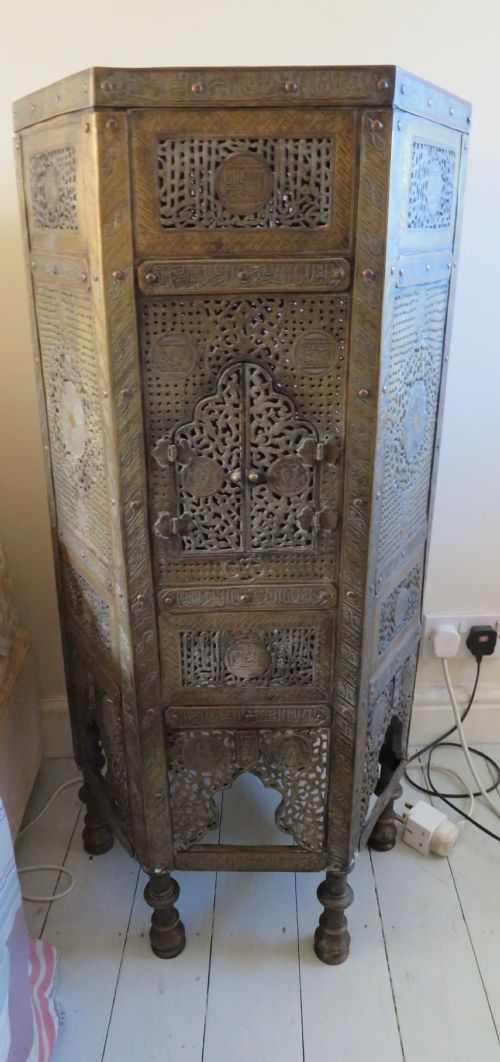
Decorative detailing on these pieces often involved openwork, strap work, or patinated metal treatments. Construction techniques balanced heavy-duty load-bearing strength with ornate stylistic flourishes.
White Metal Table Retail Price Guide 2026
Typical asking prices for white metal table among the pieces listed under this phrase on Sellingantiques today, from the lower quarter to the upper quarter. They describe what is for sale here now, not the wider market.
Listings feature white metal tables spanning from the nineteenth century through the Edwardian period and into the 1930s.
Distinguishing quality in metal tables
Quality rests in the precision of the casting or forging and the integrity of the surface finish. Superior examples display crisp detailing in openwork or structural motifs without distortion.
The integration between the metal base and the top surface reveals the standard of manufacture. Solid connections and well-fitted marble or glass tops indicate higher-grade production.
Condition and originality of the metal surface and paint layer define the retention of character. Pieces that preserve their early patination or original paint hold greater historical integrity.
Christopher Dresser·Hawkins
The White Metal Table Glossary
- Cast iron
- An iron-carbon alloy poured into moulds to create rigid structural forms and decorative garden furniture. It provides substantial weight and durability for outdoor use.
- Wrought iron
- Iron heated and hammered into shape by hand, resulting in fibrous, malleable structures often seen in fluid scrollwork and garden frames.
- Patination
- The natural ageing, surface wear, and colour softening accumulated on metal and paint over time. It offers visual evidence of a piece's age and history.
- Openwork
- Metalwork pierced or cut through to create a pattern of empty spaces and solid design. This technique lightens heavy metal frames and adds decorative flair.
- Strap work
- Ornamental bands of metal arranged in geometric or interlaced patterns across furniture frames. It provides both structural reinforcement and visual rhythm.
White Metal Table: Frequently Asked Questions
Are white metal tables suitable for outdoor use?
Many of these pieces were specifically designed for gardens, conservatories, and outdoor settings using robust metals like cast iron and wrought iron.
Protection against weathering depends on maintaining the surface paint or finish to prevent oxidation over time.
How do I care for a marble top on a metal table?
Marble surfaces require gentle cleaning with mild, non-acidic soap and water to preserve the polished stone without etching the finish.
Using coasters and mats helps protect the porous surface from staining during everyday use.
How can I tell a nineteenth-century table from a later piece?
Nineteenth-century examples often exhibit heavier cast-iron construction, traditional foundry marks, and specific decorative revival styles.
Twentieth-century pieces tend to feature cleaner lines, alternative materials like steel, or Art Deco influences.
What styles are common in these tables?
The selection includes Victorian designs, French country aesthetics, and geometric Art Deco forms.
These diverse styles allow the tables to complement both traditional garden landscapes and contemporary interiors.