





White Kitchen Cabinet
These white kitchen cabinet pieces bring functional domestic storage and rustic charm to the home, offering the traditional utility collectors prize.
White Kitchen Cabinet
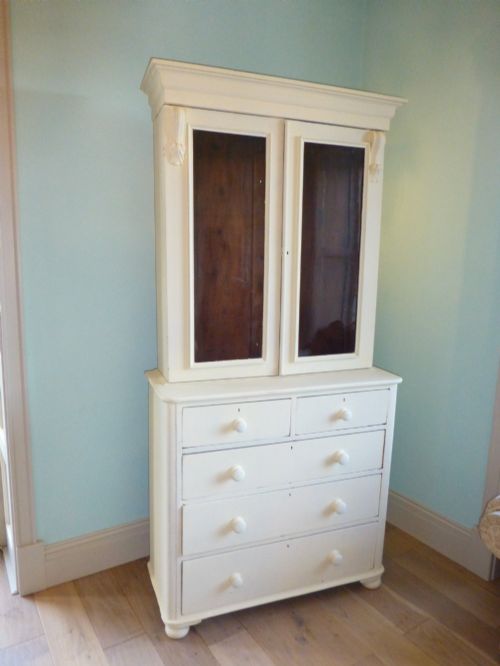
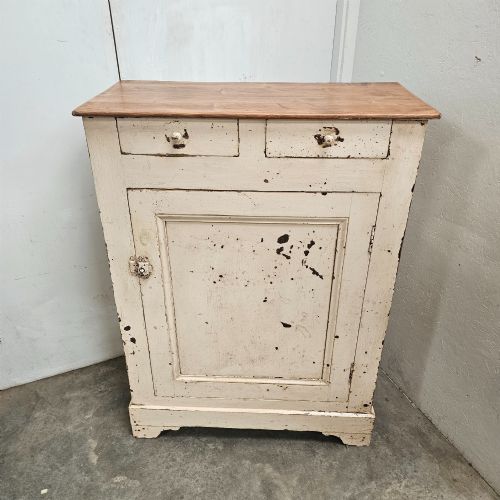
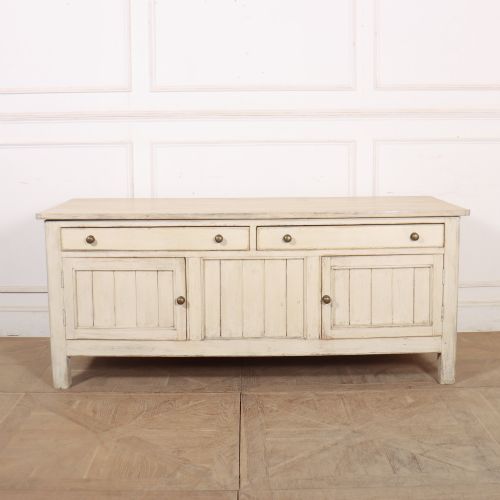
A white kitchen cabinet serves as practical storage rooted in historic domestic architecture, encompassing substantial dressers, housekeepers cupboards, and shop fittings. These utilitarian forms reflect traditional rural life where robust storage was essential for provisions and household gear.
Most examples encountered here date from the nineteenth century, including pieces spanning the Victorian era and the eighteenth century. Regional variations such as English country, French provincial, Scandinavian country, and Scottish vernacular dominate the selection.
Forms range from glazed display cabinets and shop counters to open dressers and tall housekeepers cupboards. Pine is the primary material used across these diverse regional styles, frequently retaining painted surfaces.
How they were made
Construction relies heavily on solid pine, built by regional joiners using traditional methods suitable for heavy domestic use. Surfaces are typically finished with paint, which in many surviving examples is original or historically layered.
Hardware elements like brass and iron provide structural reinforcement and functional utility for doors and drawers. Glass and wire mesh are incorporated into upper cabinet doors to protect and display contents.
White Kitchen Cabinet Retail Price Guide 2026
Typical asking prices for white kitchen cabinet among the pieces listed under this phrase on Sellingantiques today, from the lower quarter to the upper quarter. They describe what is for sale here now, not the wider market.
Jam cupboards and scullery storage prove that earlier generations took their preserves and kitchen organisation very seriously indeed.
What varies in quality
Quality rests primarily on the integrity of the original construction and the preservation of historic painted surfaces. Pieces that retain their authentic surface patination and honest proportions command greater interest among purists.
Structural refinement distinguishes vernacular regional pieces, where thoughtful proportions and robust joinery elevate simple pine furniture. The presence of original hardware, glass, and mesh further defines the distinction between standard utility items and finer vernacular examples.
The White Kitchen Cabinet Glossary
- Dresser base
- The lower section of a kitchen dresser, functioning as a sideboard with cupboards or drawers. These pieces provide sturdy surface space and enclosed storage.
- Vernacular
- Architecture and furniture built by local craftsmen using traditional regional methods and materials. These objects reflect local practical needs rather than high academic styles.
- Confiturier
- A small French cupboard originally designed for storing confit and preserves. These compact pieces typically feature a single door and a narrow footprint.
White Kitchen Cabinet: Frequently Asked Questions
What is a housekeeper's cupboard?
A housekeeper's cupboard is a large, sturdy piece of furniture designed for storing household provisions, linen, and tableware in traditional homes. These substantial items formed the backbone of domestic organisation before fitted kitchens existed.
They usually combine tall upper shelving with lower drawers or cupboards. Their generous proportions make them practical statement pieces for modern kitchens and dining rooms.
How do I care for painted pine furniture?
Painted pine furniture requires gentle cleaning with a soft, dry cloth to remove dust. Avoid harsh chemical cleaners that can damage historic or delicate painted surfaces.
Keep pieces away from direct heat sources and strong sunlight to prevent the timber from warping and the paint from fading. Wax can be applied sparingly to unpainted wooden sections to nourish the grain.
Where were these cupboards originally used?
These cupboards originated in a variety of domestic and commercial settings, including country house sculleries, farmhouses, and rural shops. Each piece was built to serve a specific storage or display purpose in daily working life.
Regional differences in style reflect the local workshops and domestic traditions of England, France, Scandinavia, and Scotland. This utilitarian background gives each cabinet its authentic character.
How can I tell a Victorian pine cupboard from an older piece?
Victorian pine cupboards often feature machine-sawn timber and standardised hardware reflecting nineteenth-century industrial production. Joinery techniques and tool marks help differentiate these later pieces from eighteenth-century equivalents.
Examining the paint layers, nail types, and overall construction provides clues to a piece's age. Regional vernacular styles also offer context regarding the likely period and origin.