
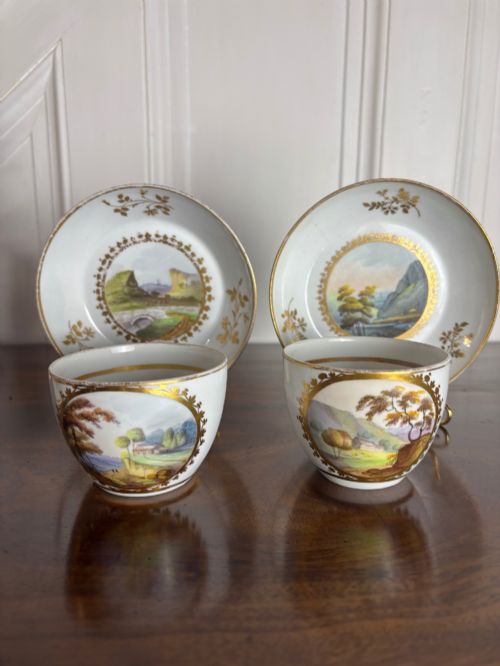


White Gilt Porcelain Cup
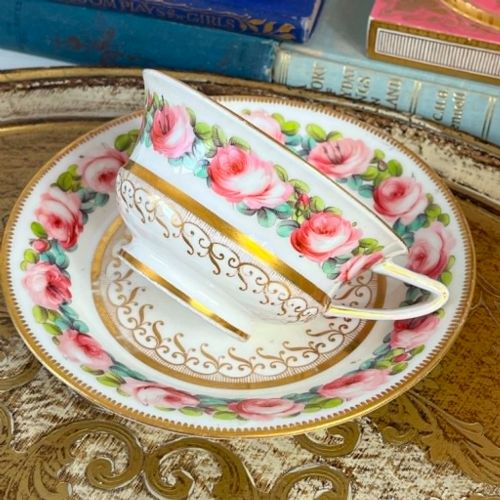
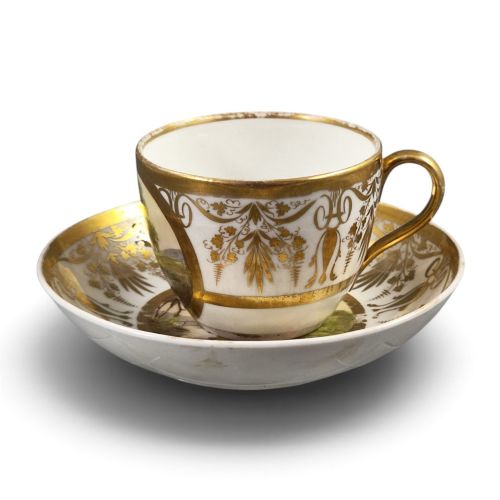
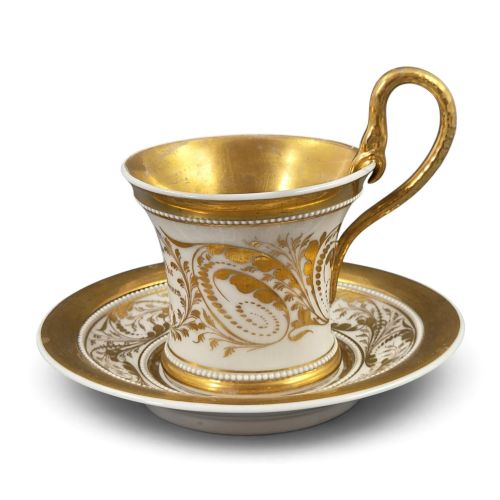
A white gilt porcelain cup brings together crisp ceramic surfaces and gleaming metallic highlights, offering a refined vessel for tea, coffee, or display.
White Gilt Porcelain Cup
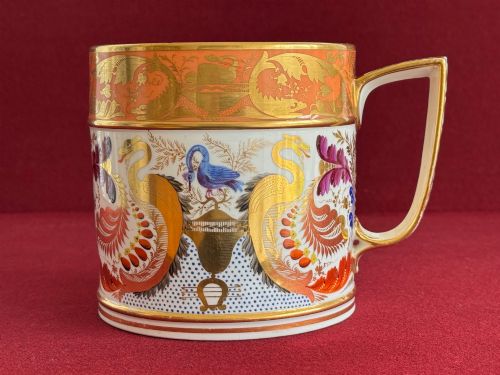
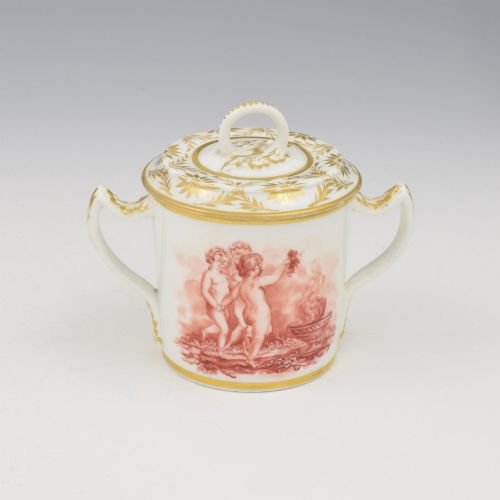
When you search for a white gilt porcelain cup, you encounter forms ranging from simple tea bowls and coffee cans to elaborate cabinet cups, chocolate cups with covers, and loving cups. These vessels date from the eighteenth century through the nineteenth century, encompassing Georgian, Regency, and Victorian periods.
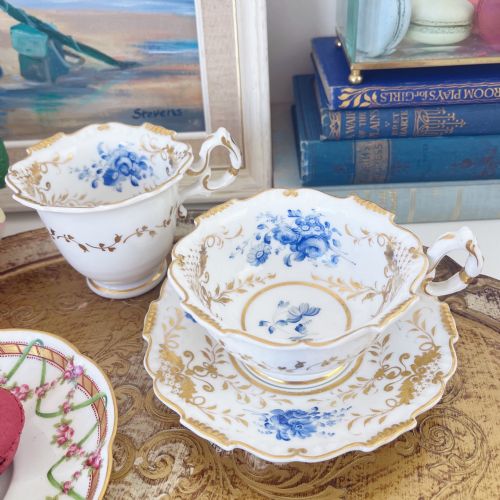
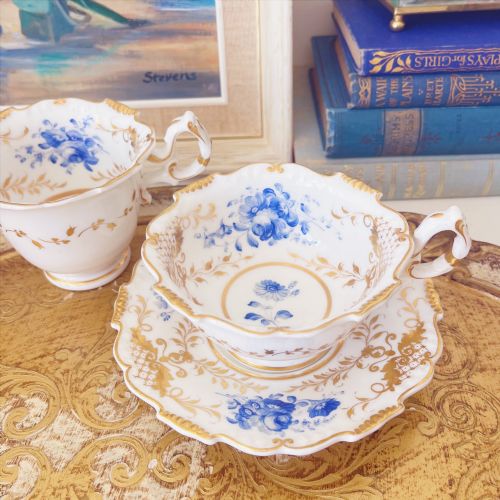
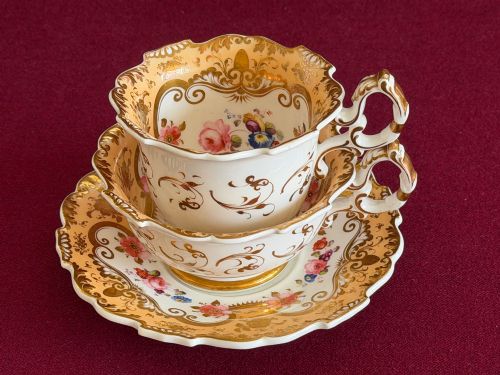
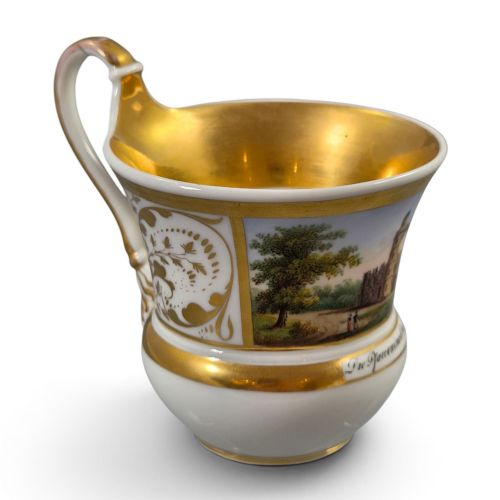
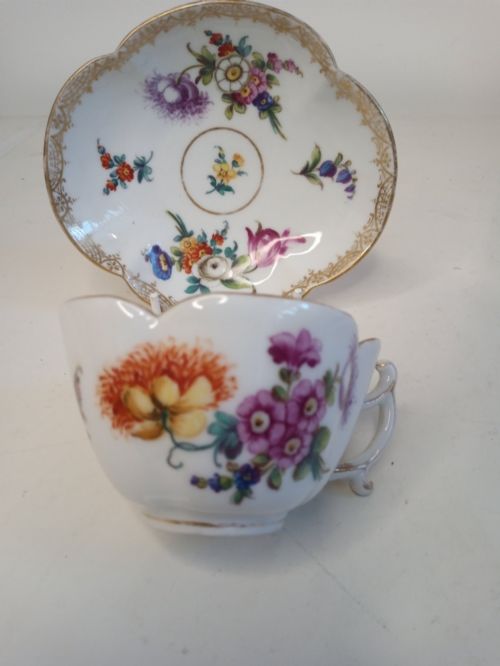
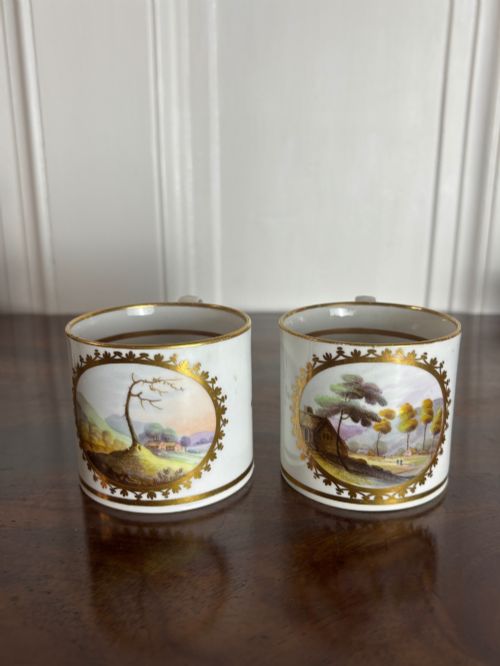
You are most likely to meet teacups and saucers, duos, and trios created by prominent European factories and English potteries. The selection includes cabinet cups with painted landscapes, porcelain mugs, and delicate demitasse vessels accented with gold leaf.
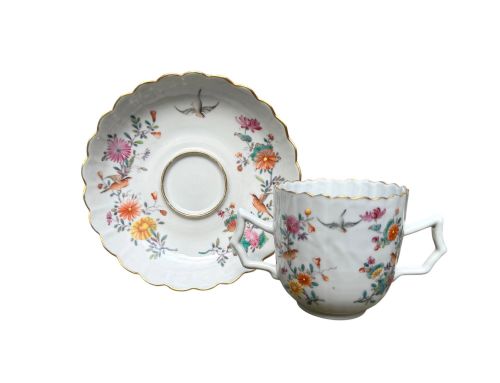
Origins span English makers such as Derby, Minton, Spode Copeland, Yates, and H & R Daniel, alongside continental porcelain houses like KPM Berlin, Meissen, and Paris workshops including Manufacture de la Reine. Chinese export pieces in the famille rose palette also appear within the eighteenth-century examples.
What varies in quality
The precision of the hand-painted detail separates standard domestic wares from exceptional display pieces. Fine cabinet cups display intricate topographical landscapes, miniature figures, or botanical illustrations executed with distinct brushwork.
The weight and purity of the porcelain body, alongside the thickness and application of the gilding, define the grade of the piece. Crisp moulding, well-defined scrollwork on handles, and intact, unrubbed gold leaf indicate superior craftsmanship.
Cup lids sometimes survived centuries while their matching saucers vanished entirely, leaving solitary covers to puzzle modern collectors.
H & R Daniel·KPM Berlin·Bloor Derby·Minton·Meissen·Spode Copeland
The White Gilt Porcelain Cup Glossary
- Cabinet Cup
- A decorative cup intended primarily for display in a cabinet rather than for daily dining use. These pieces often feature detailed hand-painted landscapes or gilt presentation designs.
- Coffee Can
- A straight-sided cylindrical porcelain cup designed specifically for drinking coffee in the eighteenth and nineteenth centuries. They frequently accompany matching saucers in duos and trios.
- Demitasse
- A small cup used to serve Turkish coffee or espresso. They appear alongside saucers in later nineteenth-century French and German porcelain selections.
- Hard-paste Porcelain
- A dense, vitrified ceramic composed of kaolin and petuntse, fired at very high temperatures. It provides a durable, bright white body standard in fine European and Asian tablewares.
- Gilding
- The application of gold leaf or powdered gold to the surface of porcelain. It highlights rims, handles, and decorative motifs with a reflective metallic finish.
White Gilt Porcelain Cup: Frequently Asked Questions
What is a chocolate cup?
A chocolate cup is a specialised drinking vessel, often taller than a standard teacup and frequently fitted with two handles and a matching cover. They were designed for drinking hot chocolate, a rich beverage popular among the elite during the Georgian and Regency periods.
Many examples include a cover to keep the contents warm and a deep saucer or stand to hold the vessel securely. Their presence in collections reflects the specific dining habits of the eighteenth and nineteenth centuries.
How do I date a porcelain cup?
Dating porcelain involves examining factory marks, stylistic traits, and manufacturing techniques. Pieces from the eighteenth century often feature hand-potted bodies and underglaze blue or painted marks specific to early European potteries.
Nineteenth-century examples frequently incorporate registration diamonds, impressed factory names, or pattern numbers on the base. Comparing the shape, floral motifs, and type of gilding to known factory output helps narrow down the decade of production.
Are these cups safe to use?
While these antique porcelain cups were originally functional tableware, most collectors treat them as decorative display items. The age of the ceramic and the delicate nature of hand-painted enamels and gold leaf mean daily use can cause irreversible wear.
Hand-washing in lukewarm water without abrasive detergents is essential if you choose to handle them. Modern dishwashers and microwaves will quickly damage the historical glazes and metallic gilding.