

White Garden Furniture
White garden furniture brings enduring character to lawns and patios through classic cast iron benches, dining sets and plant stands.
White Garden Furniture
White garden furniture encompasses metal seating, tables and plant stands designed to weather outdoor settings while maintaining architectural form. Pieces span the Regency era through the nineteenth century and into the 1930s, offering structural variety for different outdoor spaces.
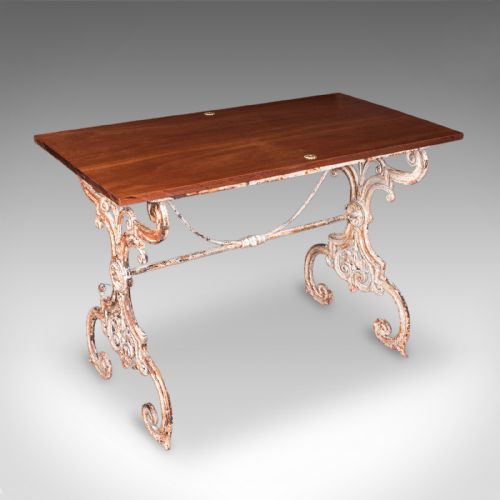
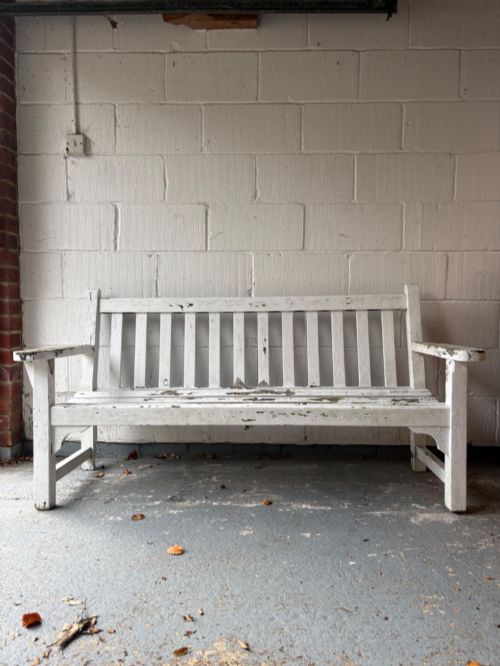
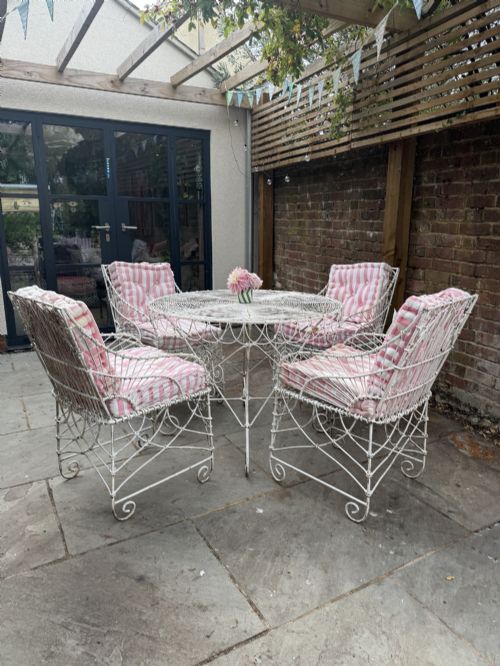
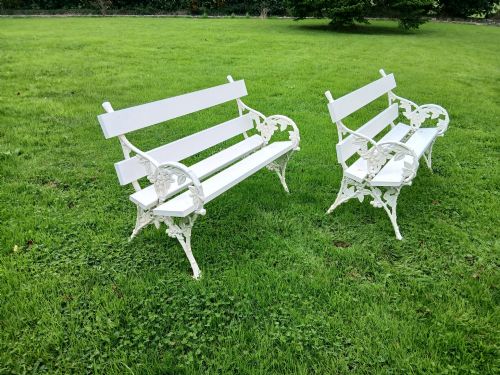
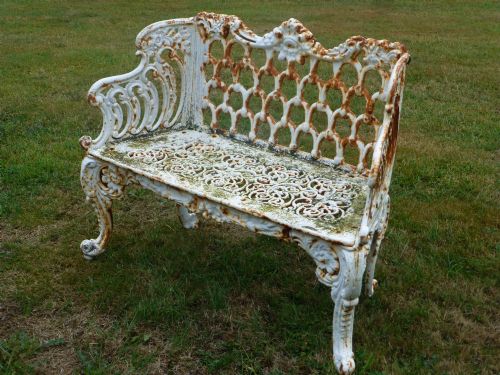
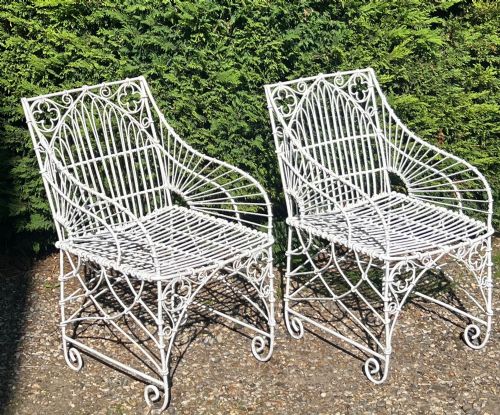
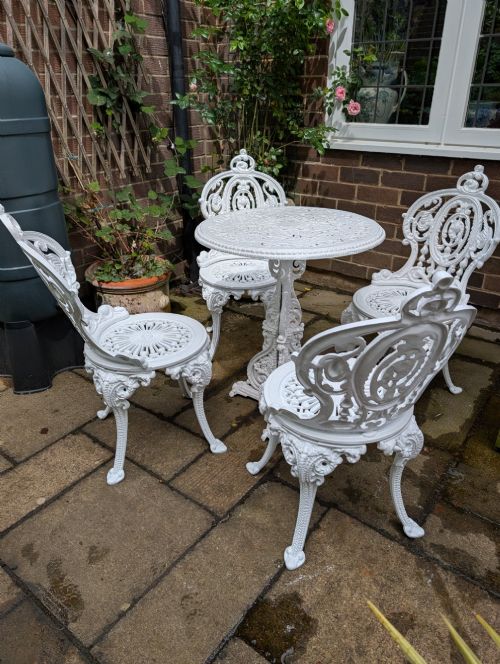
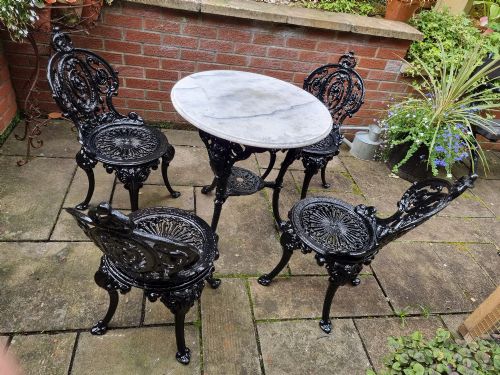
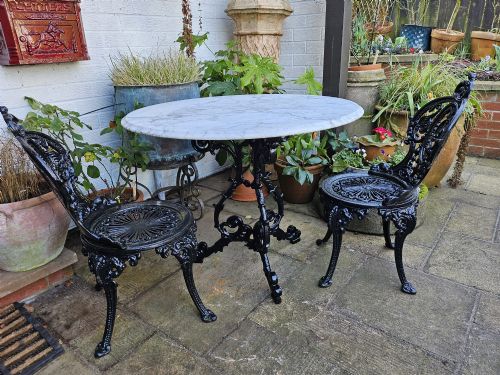
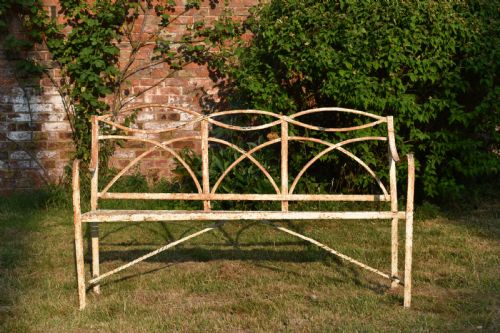
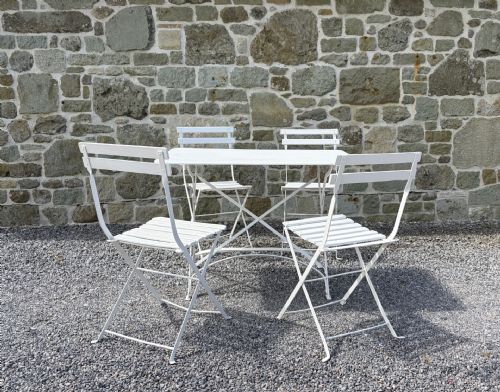
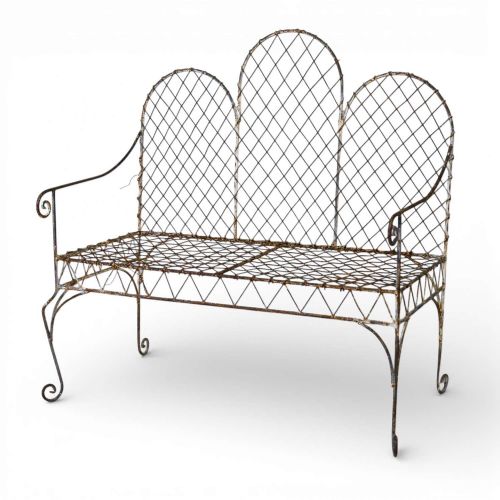
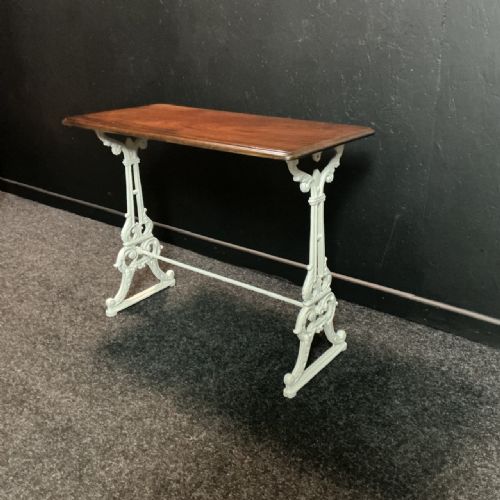
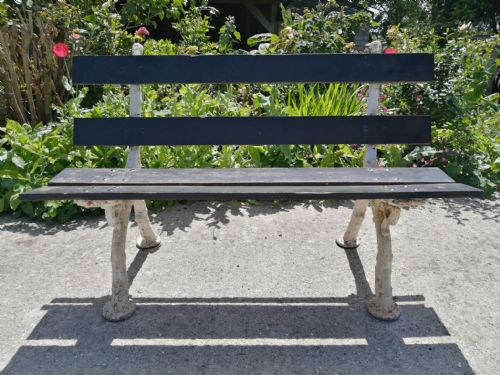
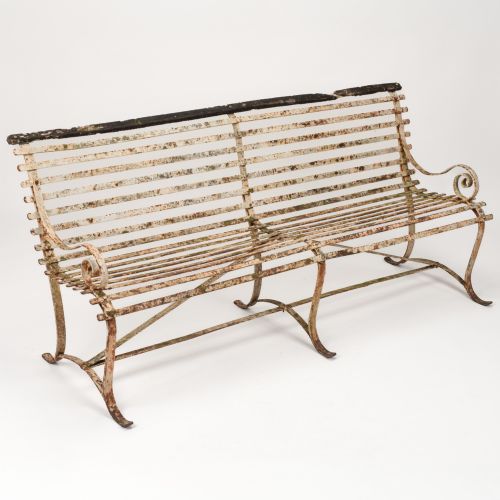
Benches dominate the selection, appearing alongside complete dining sets, bistro tables and plant stands. Foundries produced robust seating utilising cast iron, wrought iron and wirework, often complemented by timber elements or marble tops.
Victorian and Regency designs provide the core aesthetic, incorporating motifs such as strapwork, faux bois, gothic revival patterns and botanical themes. French country and bistro styles also feature prominently among the available seating and tables.
How white garden furniture was made
Foundries shaped heavy cast iron into intricate patterns for bench ends, seat backs and plant stands, pouring molten metal into detailed moulds. Wrought iron was shaped by hand into geometric strapwork and structural frames for benches and tables.
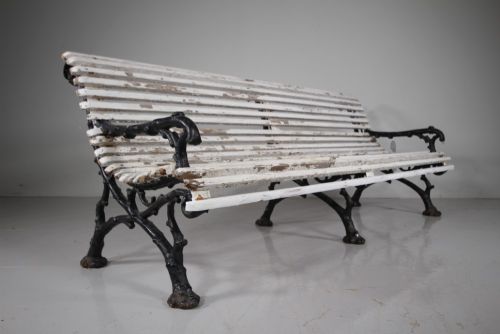
Makers integrated timber slats and marble tops into metal frameworks, balancing heavy metallic support with practical surfaces. Protective paint finishes, historically renewed over decades, defined the characteristic white appearance of these outdoor pieces.
White Garden Furniture Retail Price Guide 2026
Typical asking prices for white garden furniture among the pieces listed under this phrase on Sellingantiques today, from the lower quarter to the upper quarter. They describe what is for sale here now, not the wider market.
Object forms range from heavy garden benches and dining sets to multi-tier plant stands, marble-topped console tables and loungers.
What varies in quality
The refinement of the casting defines the upper tier of pieces, where foundry work displays crisp botanical details, legible maker signatures and balanced proportions. Finer examples combine complex ironwork with original marble or timber components rather than later replacements.
Structural integrity separates everyday utility from exceptional craftsmanship, particularly in the weight of the cast iron and the precision of wrought iron strapwork. Pieces retaining their early surface layers and complete matching sets demonstrate superior preservation over heavily restored alternatives.
Falkirk Carron Foundry·Coalbrookdale·Christopher Dresser
The White Garden Furniture Glossary
- Cast iron
- A sturdy iron-carbon alloy poured into moulds to create decorative and structural garden pieces. It allows for intricate relief patterns such as foliage and crests.
- Wrought iron
- Iron heated and hammered into shape by hand, producing flexible and strong structural components. It is commonly found in linear strapwork designs.
- Faux bois
- An artistic technique mimicking the appearance of natural wood grain in hard materials like cast iron. It was popular on nineteenth-century garden seats.
- Strapwork
- Flat bands of metal arranged in geometric, interlaced patterns. This technique forms the decorative backs and seats of Regency-style furniture.
- Wirework
- Metal rods and wire bent and welded into open, airy garden tables and plant stands. This lighter technique emerged strongly in the later nineteenth century.
White Garden Furniture: Frequently Asked Questions
How do I care for antique white garden furniture?
Protect the metal frames by applying suitable outdoor paint systems when previous coats degrade. Store pieces under cover during harsh winter months to prevent moisture damage.
Keep wooden elements treated and clean marble surfaces regularly to maintain their condition outdoors.
Can these metal sets stay outside all year?
Cast iron and wrought iron withstand outdoor elements well, though prolonged exposure to standing water accelerates corrosion. Timber and marble components require more shelter from freezing temperatures.
Positioning furniture on paved surfaces rather than directly on damp earth helps preserve the feet and lower frames.
How do I identify a Victorian garden bench?
Look for heavy cast iron construction featuring naturalistic motifs like ferns, branches or gothic arches. Maker marks or foundry registration numbers often appear cast into the reverse of the slats or frame.
Proportions tend to be heavier and more ornate than twentieth-century counterparts.
What is the difference between cast and wrought iron?
Cast iron is rigid and poured into moulds, allowing for deep relief decoration and heavy structural forms. Wrought iron is pliable and forged by hand into sleek, linear straps.
Combination pieces frequently utilise cast iron for decorative ends and wrought iron for bracing.