



White Display Cabinet
A white display cabinet brings light and structure to a room while holding porcelain, books, or curiosities.
White Display Cabinet
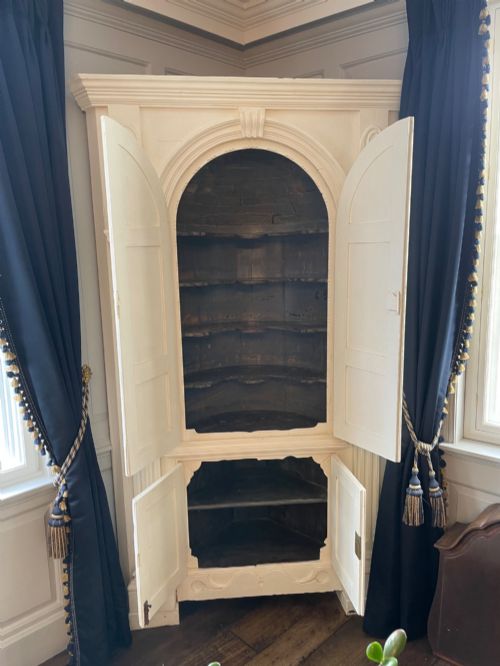
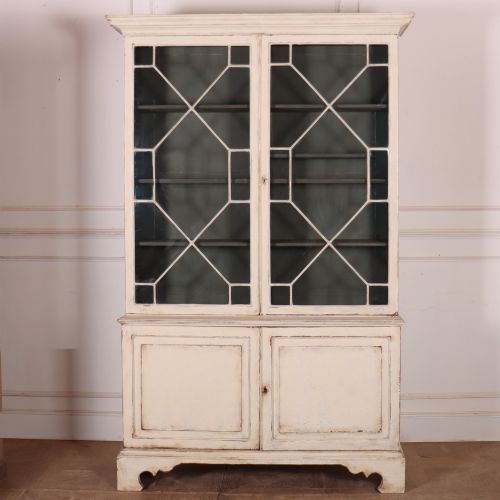
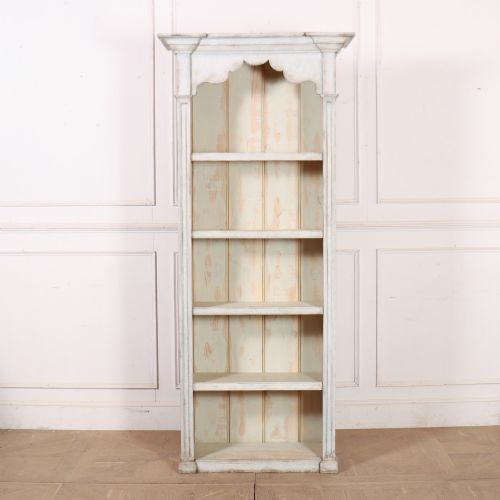
A white display cabinet encompasses glazed bookcases, vitrines, and painted pine shop fittings spanning the eighteenth to the early twentieth century. These pieces combine utilitarian storage with glazed visibility, often finished in painted wood or enamel.
Buyers encounter regional interpretations ranging from English country and Georgian library bookcases to Swedish and French provincial cabinets. Many of these items utilise light painted surfaces to brighten interiors.
The category bridges formal architectural cabinetry and rustic painted furniture, offering adjustable shelving and glass doors designed to protect contents while keeping them visible.
Materials and construction
Carpenters constructed these cabinets using timber such as pine and walnut, applying painted finishes in white or pale tones over the wood. Glazing bars hold individual panes of glass within doors designed to showcase collections.
Decorative details rely on carved wooden elements, brass hardware, and occasionally gold leaf accents. Interiors often feature painted wood or adjustable shelves configured for books or decorative plates.
White Display Cabinet Retail Price Guide 2026
Typical asking prices for white display cabinet among the pieces listed under this phrase on Sellingantiques today, from the lower quarter to the upper quarter. They describe what is for sale here now, not the wider market.
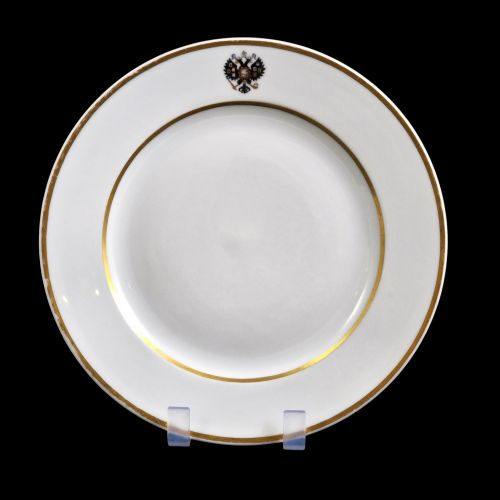
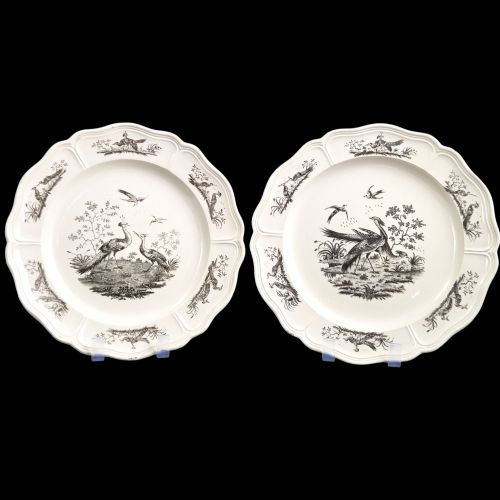
Listings span the eighteenth, nineteenth, and early twentieth centuries, featuring painted wood, pine, glass, and porcelain across multiple European styles.
Factors of quality
Quality rests in the proportion of the cabinetry, the integrity of the original painted surface, and the clarity of the glass panes. Finer examples display balanced joinery and period hardware that match the era of construction.
The sophistication of the painted finish and the condition of the interior shelving distinguish standard utility pieces from more refined regional or formal cabinets.
Barr, Flight and Barr·Imperial Porcelain Factory·James Gardner·John Ridgway
The White Display Cabinet Glossary
- Vitrine
- A glass-fronted cabinet designed for displaying fine objects or porcelain. These pieces usually feature glazed sides as well as doors to maximise light penetration.
- Bookcase
- A piece of furniture with horizontal shelves used for storing books. Glazed variants protect volumes from dust while maintaining visibility.
- Creamware
- A fine earthenware developed in the eighteenth century with a pale yellowish-white glaze. It became widely produced by English potteries.
- Porcelain
- A ceramic material made by heating raw materials in a kiln to high temperatures. It forms the body of fine decorative plates and cabinet wares.
White Display Cabinet: Frequently Asked Questions
What goes inside a white display cabinet?
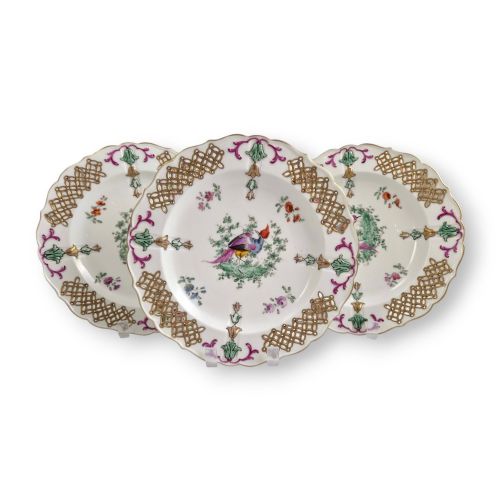
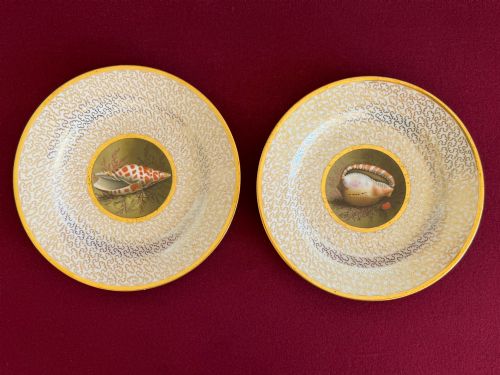
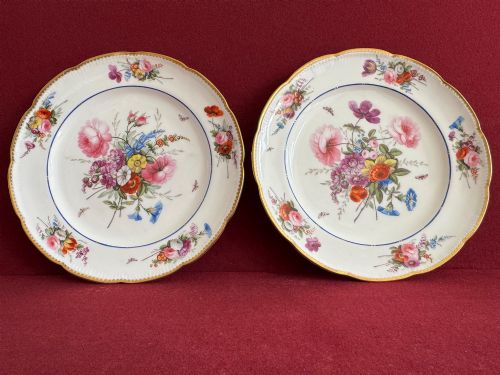
These cabinets house collections of porcelain plates, glassware, books, and small sculptures. The glazed doors keep dust away from delicate items.
Owners often arrange decorative plates and ceramics on shelves to create a curated display that brightens a room.
How do I date a painted wooden cabinet?
Dating relies on construction methods, timber choice, and the composition of the painted surface. Eighteenth and nineteenth-century pieces show hand-planed timbers and older fastener types.
Examining the hinges, locks, and glass panes helps confirm whether the cabinet originates from the Georgian, Victorian, or later periods.
Where should I place a display cabinet?
These pieces suit reception rooms, libraries, and kitchens where natural light enhances the painted finish and the glass panels. Positioning them away from direct sunlight protects both the wood and any interior items.
Ensure the floor is level, as tall glazed furniture requires stability to keep doors aligned correctly.
Are painted finishes on old cabinets original?
Some pieces retain their early or original painted surfaces, particularly regional pine furniture and shop fittings. Other items have received later coats of paint over the decades.
Examining the wear patterns and the interaction between the paint layers helps determine the history of the surface.