

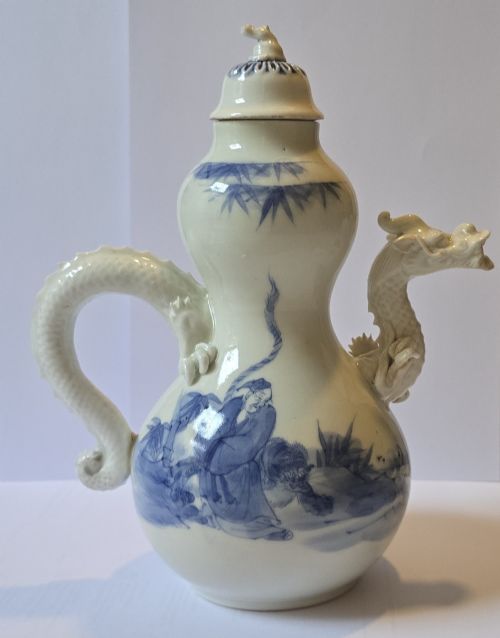
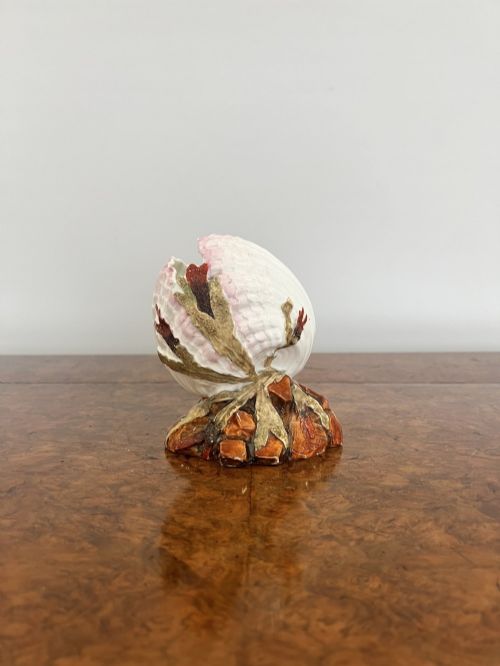
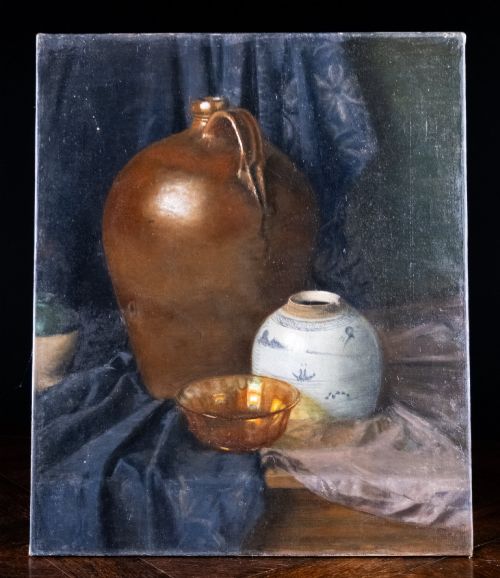
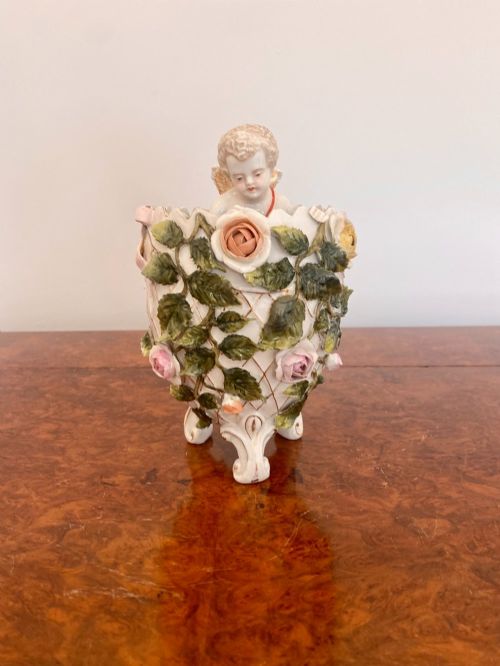
White Ceramic Vessel
A white ceramic vessel brings quiet discipline to a room, holding form and glaze through centuries of utility and display.
White Ceramic Vessel
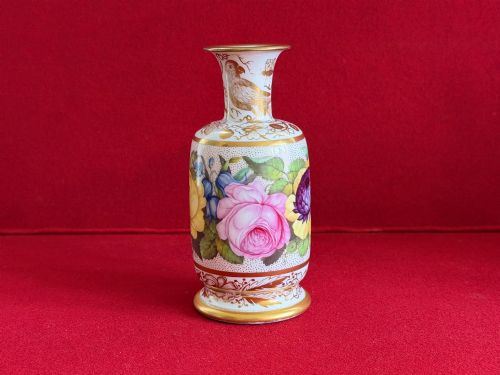
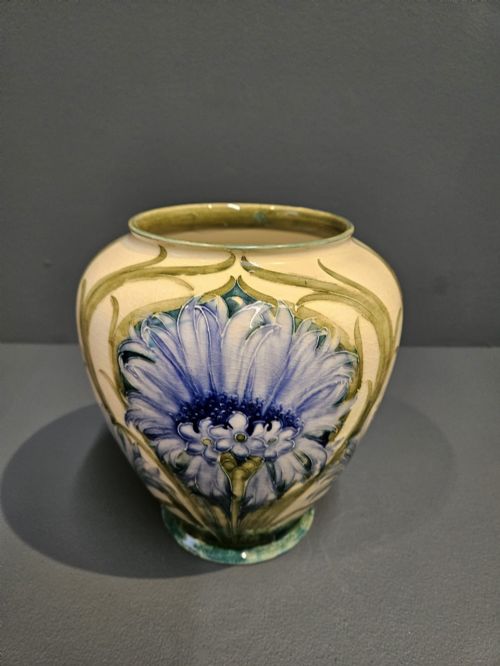
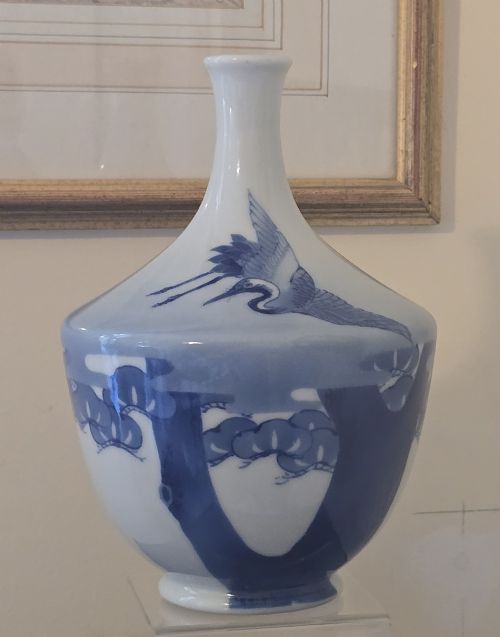
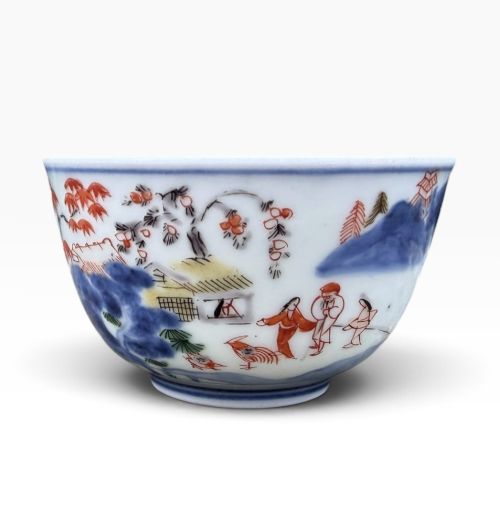
A white ceramic vessel encompasses utilitarian containers, apothecary jars, and decorative forms shaped across the seventeenth, eighteenth, and nineteenth centuries. These pieces cross European earthenware and Asian porcelain traditions, uniting under pale bodies and controlled glazes.
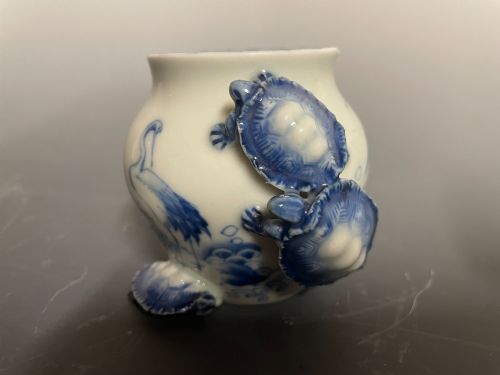
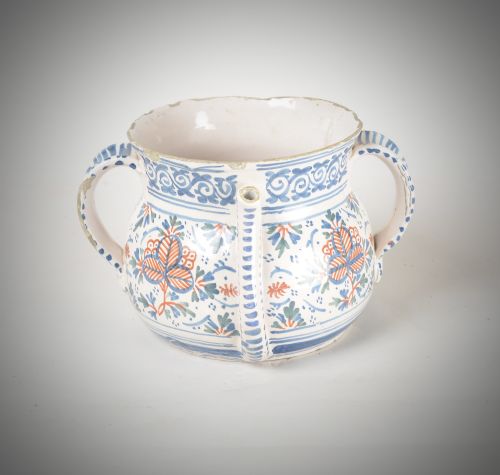
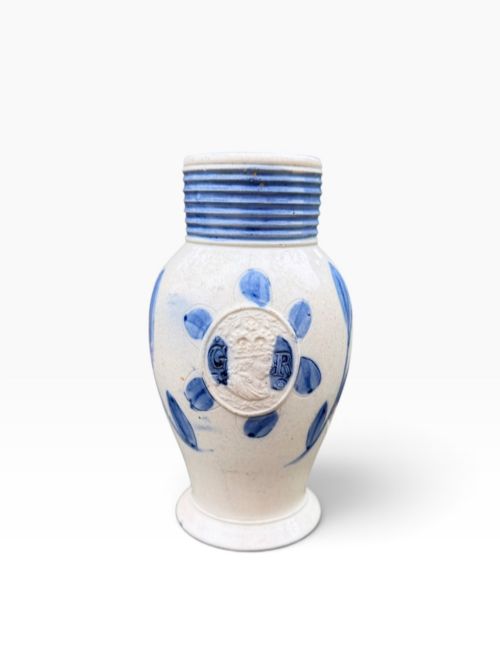
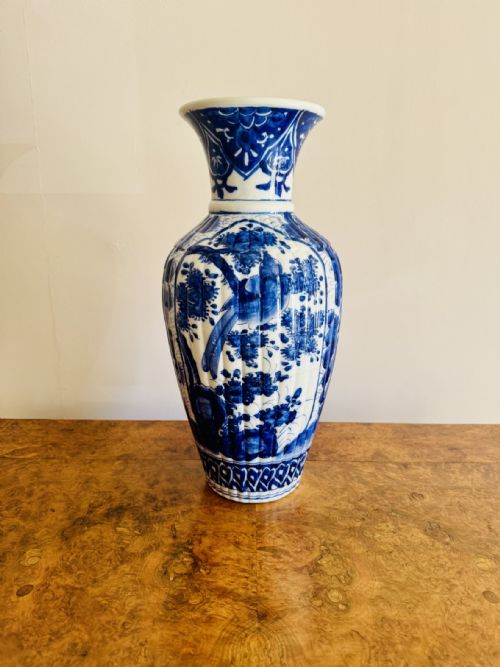
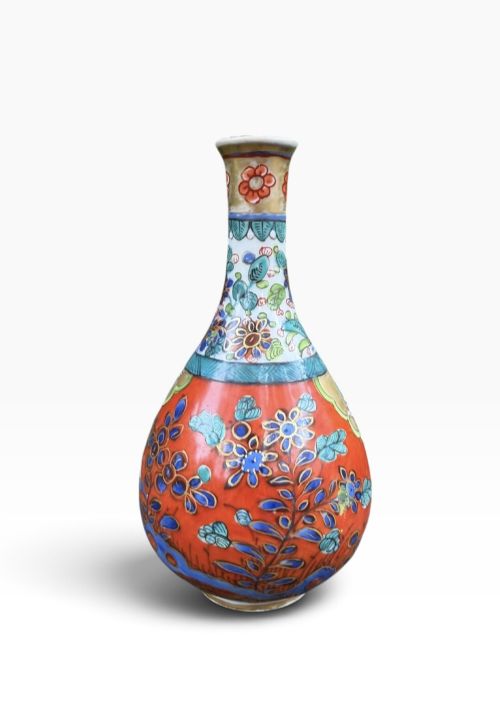
The version most commonly met on this page is the utilitarian or display piece finished in tin glaze, earthenware, or porcelain. Collectors encounter everything from Dutch delft apothecary bottles to Chinese porcelain brush pots and English creamware measuring jugs.
Objects retain their original functional shapes, whether designed for liquids, dry goods, or botanical arrangements. Their survival demonstrates the enduring appeal of unadorned ceramic surfaces across diverse cultural periods.
Materials and Techniques
Makers shaped these bodies from refined clay pastes and hard-paste porcelain, throwing them on wheels or pressing them into moulds. Potters then applied liquid glaze preparations, often incorporating tin oxide to achieve an opaque white surface suitable for subsequent handling.
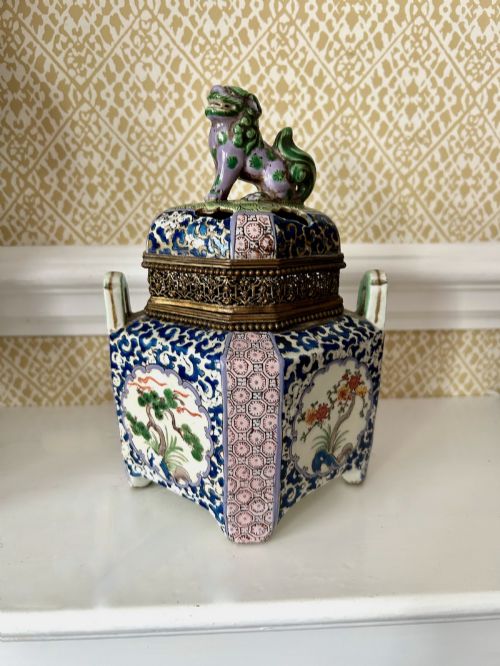
Firing took place in wood or coal-burning kilns where temperature control dictated the vitrification of the body and the gloss of the finish. Artisans sometimes added iron bands, gilt highlights, or enamel details over the primary white glaze before a secondary fixing fire.
White Ceramic Vessel Retail Price Guide 2026
Typical asking prices for white ceramic vessel among the pieces listed under this phrase on Sellingantiques today, from the lower quarter to the upper quarter. They describe what is for sale here now, not the wider market.
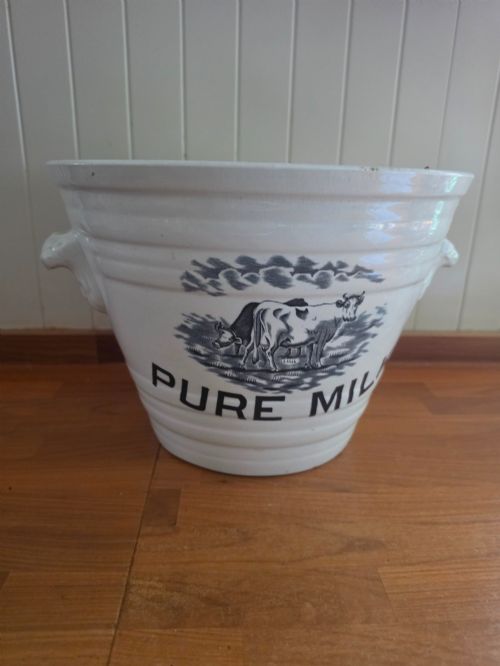
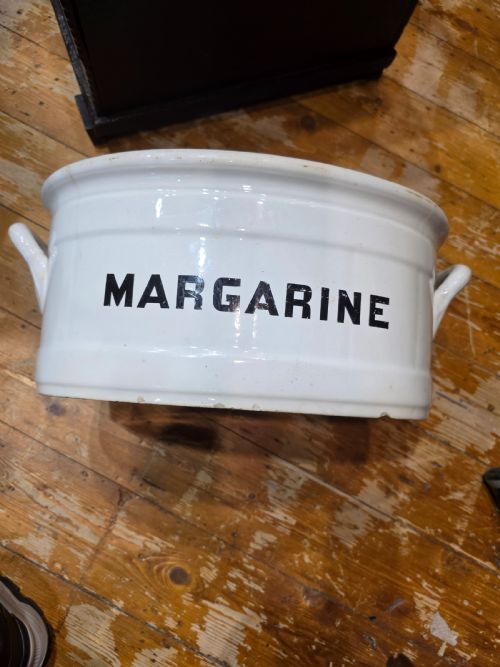
Some nineteenth-century grocers relied on sturdy ceramic tubs specifically labelled for margarine distribution.
Judging Quality
Superior execution shows in the crispness of the thrown or moulded profile and the evenness of the white glaze layer. Better examples display careful distribution of weight and balanced proportions that reflect the maker's discipline.
The refinement of the raw clay body and the clarity of the glaze surface distinguish finer works from utilitarian stock. Secondary details, such as metal mounts or painted accents, reveal the skill applied during finishing stages.
Spode Wedgwood·Wemyss·Flight Barr Barr·Royal Worcester·Takasaka Toemon
The White Ceramic Vessel Glossary
- Tin Glaze
- A lead glaze made opaque by the addition of tin oxide, creating a smooth white surface for pottery.
- Earthenware
- Porous pottery fired at lower temperatures, commonly used for utilitarian vessels and kitchen wares.
- Porcelain
- A vitrified ceramic material made from kaolin and petuntse, fired at high temperatures to achieve a dense, white body.
- Apothecary Jar
- A cylindrical or globular container utilised by chemists and pharmacists for storing medicinal herbs and compounds.
- Brush Pot
- A rigid vertical cylinder used in East Asian scholarship for holding writing brushes upright on a desk.
White Ceramic Vessel: Frequently Asked Questions
What were apothecary jars used for?
Apothecary jars held dried herbs, medicinal compounds, and syrups in pharmacies and dispensaries. Their wide mouths allowed easy access for compounders working quickly.
Over time, these vessels moved from functional dispensary shelves into domestic interiors as decorative display pieces.
How do I date a white ceramic vessel?
Dating relies on examining the characteristics of the clay body, the tone of the glaze, and the forming technique. Base wear and any painted marks offer further clues to the period.
Comparing the profile with documented examples from specific centuries narrows the decade of production.
Are these vessels dishwasher safe?
These antique and historic items require gentle hand washing in lukewarm water without abrasive detergents. Chemical dishwashers damage historic glazes and fragile ceramic bodies.
Careful maintenance preserves the structural integrity of the piece for future generations.
How do I display a ceramic vessel safely?
Place vessels on stable, level surfaces away from heavy foot traffic and direct sunlight. Ensure shelving supports the weight without tilting.
Avoid placing delicate earthenware or porcelain pieces near edges where accidental impacts might occur.