




White Ceramic Teacup
These white ceramic teacup pieces bring together centuries of porcelain and bone china craftsmanship for daily use or display.
White Ceramic Teacup
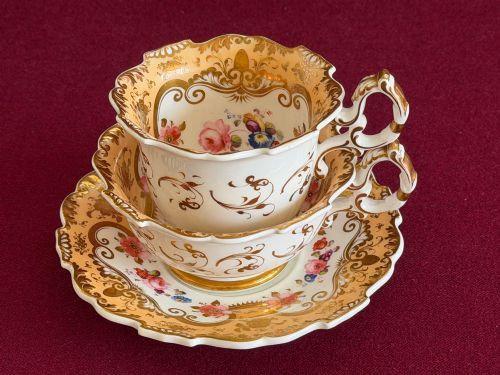
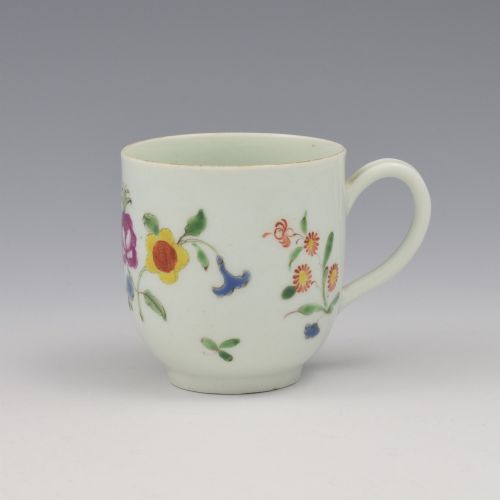
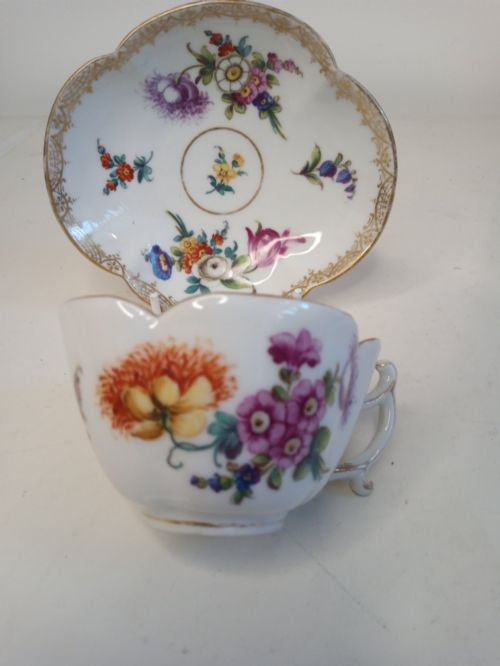
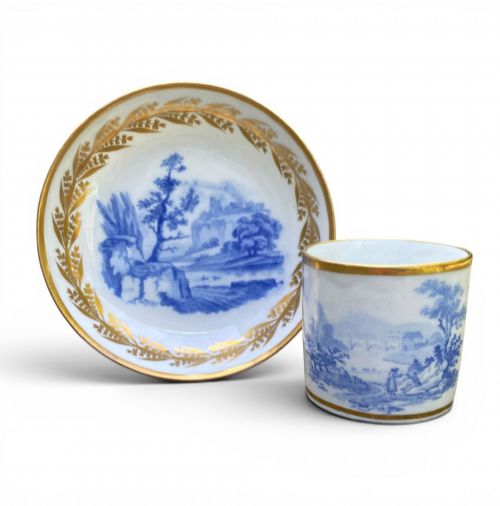
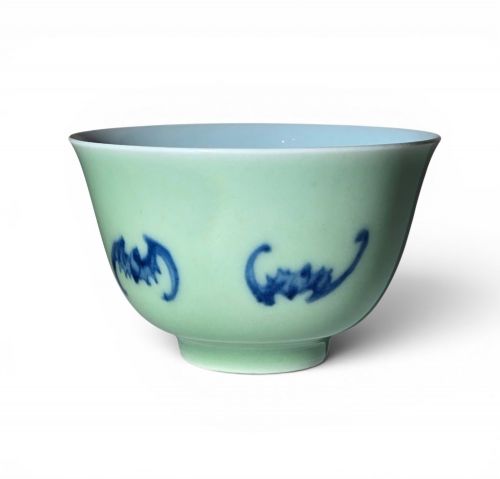
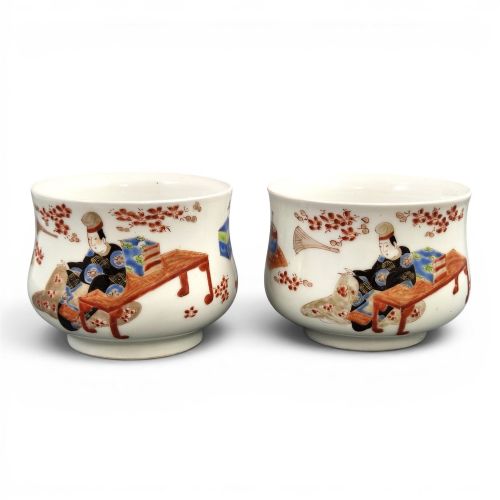
A white ceramic teacup selection spans eighteenth-century English and Chinese export tea bowls through to twentieth-century bone china sets. Buyers encounter individual coffee cans, trios, and extensive tea services produced across the Georgian, Victorian, and later periods.
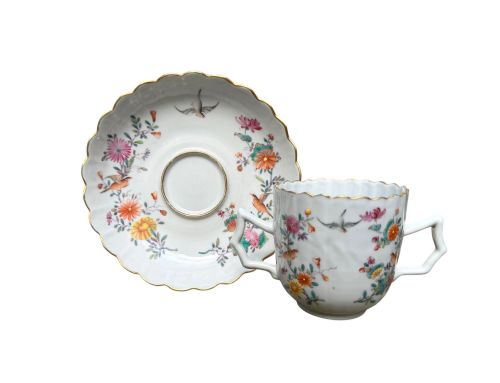
The objects take various forms, including fluted tea bowls, cabinet cups with stands, and matched breakfast sets. Origins stretch from English factories in Worcester, Coalport, and Liverpool to Japanese and Chinese kilns.
Earlier eighteenth-century items often present as delicate tea bowls without handles, reflecting the drinking customs of the period. Later nineteenth and twentieth-century examples incorporate handles, saucers, and standardised shapes suited to modern handling.
How they were made
Potters utilised porcelain, soft-paste porcelain, and bone china bodies, shaped on the wheel or pressed in moulds. Glaze was applied to seal the ceramic body, providing a smooth surface for subsequent decoration.
Decoration relied on underglaze blue, hand-painted enamel colours, and applied gilding or gold leaf. Firing techniques evolved from early wood-burning kilns to controlled coal and gas ovens, altering the clarity of the ceramic body.
White Ceramic Teacup Retail Price Guide 2026
Typical asking prices for white ceramic teacup among the pieces listed under this phrase on Sellingantiques today, from the lower quarter to the upper quarter. They describe what is for sale here now, not the wider market.
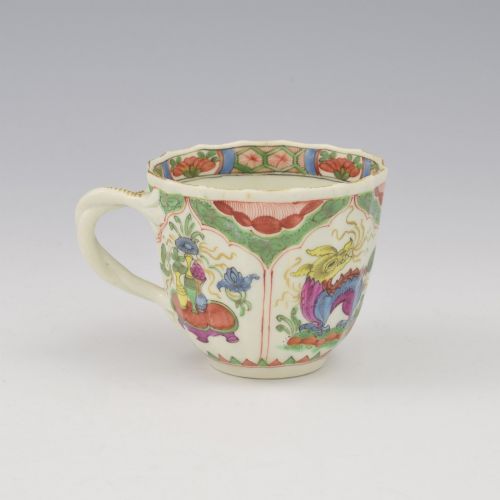
Certain antique cups arrive with names like crazy cow or Bengal tiger, capturing eighteenth-century imagination on porcelain.
What varies in quality
Quality rests in the thinness and translucency of the porcelain body, alongside the precision of the hand-painted enamels. Finer items display crisp potting lines, even glaze coverage without pitting, and meticulous gilding that sits proud of the surface.
Artistic execution distinguishes standard production wares from premier output, notably in the detail of hand-painted motifs like birds, flowers, and compartmental designs. Maker attribution, such as documented periods of Worcester or specific factory marks, elevates historical interest.
Richard Chaffers·New Hall·Flight Barr And Barr·Yates·Minton·Wileman Foley Shelley·Kpm
The White Ceramic Teacup Glossary
- Tea bowl
- A handleless vessel used for drinking tea, common in eighteenth-century sets before handles became standard on European cups.
- Coffee can
- A straight-sided cylindrical cup designed specifically for drinking coffee, often narrower than a standard teacup.
- Soft-paste porcelain
- An artificial ceramic paste containing glass frit and white clay, fired at lower temperatures than true hard-paste porcelain.
- Bone china
- A type of porcelain incorporating bone ash into the ceramic paste, creating a strong, highly translucent white body.
- Gilding
- The application of gold leaf or powdered gold to the surface of the ceramic, often highlighting rims and handles.
White Ceramic Teacup: Frequently Asked Questions
How do I date an antique teacup?
Dating relies on identifying factory marks, stylistic traits of the period, and the composition of the ceramic body. Examining the glaze and foot rim provides further clues to the era of manufacture.
Eighty-century pieces often lack handles and utilise soft-paste porcelain, whereas later nineteenth-century examples feature standardised bone china and distinct maker stamps.
Can I use these cups for drinking tea?
Many eighteenth and nineteenth-century cups remain structurally sound for gentle daily use. Hand washing is essential to preserve fragile enamels and delicate gilding.
Avoid exposing antique porcelain to sudden thermal shocks, such as boiling water poured directly into a cold cup, to prevent hairline fractures.
What is the difference between a tea bowl and a teacup?
Tea bowls were produced without handles, reflecting earlier tea-drinking habits derived from Chinese custom. Teacups incorporate handles for easier grasping.
Both forms appear alongside saucers in early dining services, though tea bowls pre-date the widespread adoption of handled cups in Europe.
Why do some cups have no maker marks?
Many early factories did not apply permanent signatures or marks to their wares, relying instead on paper labels or distinct stylistic patterns. Unmarked pieces were frequently identified by shape, paste composition, and painted motifs.
Attribution to specific makers depends on comparative study of documented factory shapes and colour palettes.