

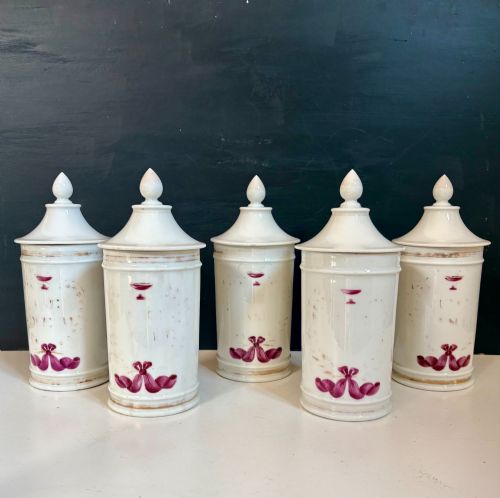
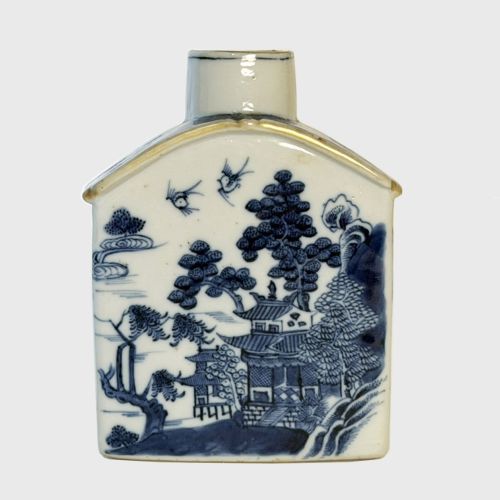


White Ceramic Canister
These white ceramic canister pieces are practical vessels for dry goods and tea, prized by collectors for their historical forms and hand-painted decoration.
White Ceramic Canister
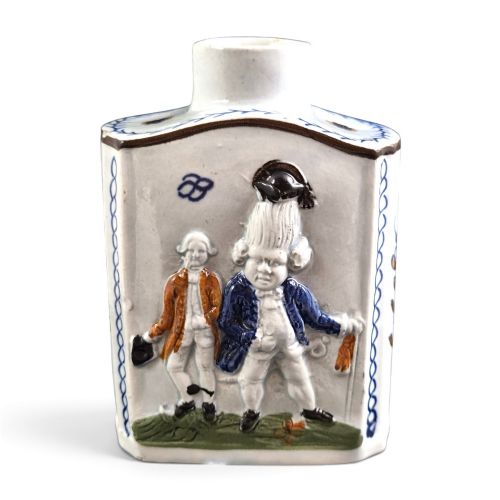
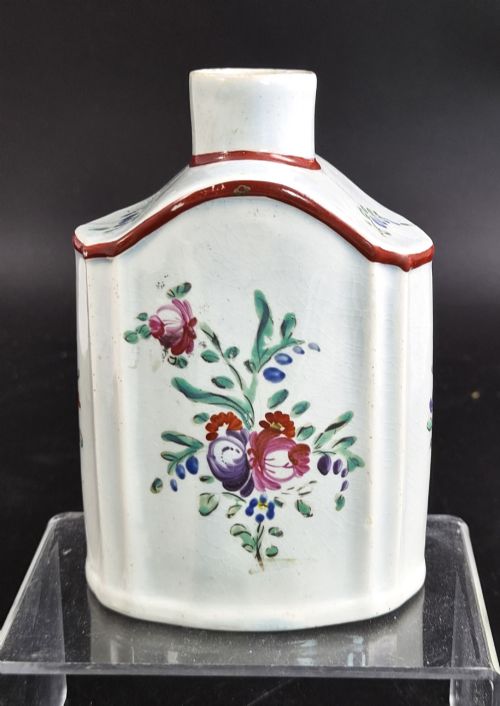
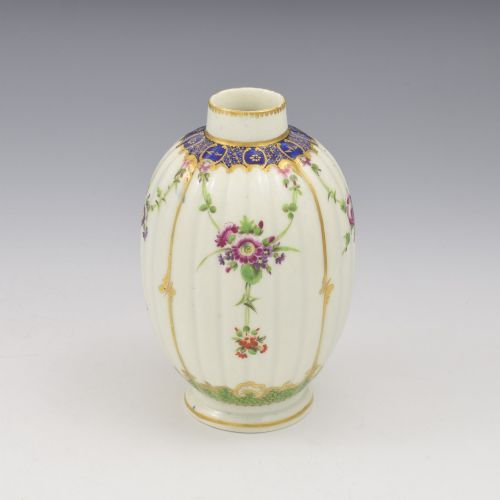
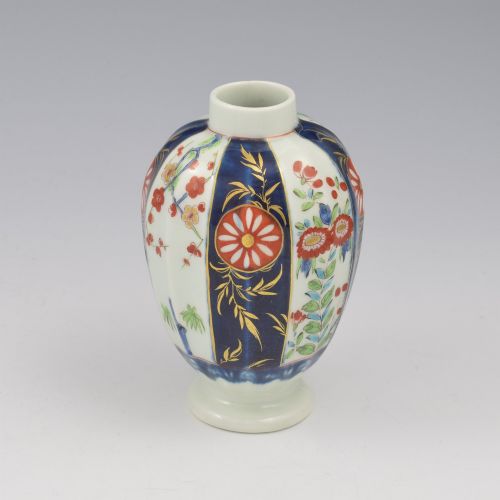
When you search for a white ceramic canister, you encounter a range of functional vessels primarily designed for tea, tobacco, and apothecary storage across multiple centuries. The selection encompasses English earthenware, delicate soft-paste porcelain, and Chinese export pieces intended for preservation.
The versions most frequently met on this page span the Georgian era and the nineteenth century, including distinct forms like tea caddies, apothecary jars, and tobacco jars. These utilitarian items served domestic and medical needs, transforming over time into decorative display pieces.
Origins vary from English factories such as Leeds and Worcester to Chinese export workshops and Dutch delft production. Each piece reflects the material culture of its period, utilising ceramic bodies suited to daily use and refined display.
How they were made
Potters shaped these vessels using earthenware, creamware, pearlware, and porcelain, often applying a smooth white glaze to form the primary surface. Soft-paste porcelain and earthenware provided the foundational bodies for both utilitarian jars and finer tea containers.
Decoration involved hand-painted floral enamels, blue and white pigments, and occasional applications of gold leaf. Specialised techniques such as crackle glaze and transfer methods defined the appearance of pieces from different origins and workshops.
White Ceramic Canister Retail Price Guide 2026
Typical asking prices for white ceramic canister among the pieces listed under this phrase on Sellingantiques today, from the lower quarter to the upper quarter. They describe what is for sale here now, not the wider market.
Listings feature white ceramic canister items spanning the eighteenth century to the late Victorian period, including earthenware and porcelain.
What varies in quality
Quality separates through the crispness of the moulded form and the precision of the hand-painted decoration applied over the glaze. Earlier pieces often display finer potting techniques and more intricate brushwork on porcelain surfaces.
The distinction also lies in the survival of original covers, the clarity of factory marks, and the overall stability of the ceramic body. Pieces retaining their original decorative schemes command greater attention from collectors.
Leeds Pottery·Minton
The White Ceramic Canister Glossary
- Creamware
- A fine earthenware developed in Yorkshire during the eighteenth century, featuring a pale yellowish-cream glaze.
- Soft-paste porcelain
- A ceramic material composed of clay and glass frit, fired at lower temperatures than hard-paste porcelain.
- Pearlware
- An improved earthenware introduced in the late eighteenth century, possessing a bluish-white glaze that pooled in recesses.
- Prattware
- A type of English earthenware characterised by underglaze figure painting in limited colours like blue, ochre, and brown.
- Tea caddy
- A small storage container originally designed to hold loose tea leaves securely before brewing.
White Ceramic Canister: Frequently Asked Questions
What is a white ceramic canister?
A white ceramic canister is a historical storage vessel designed for tea, tobacco, or medicinal dry goods.
These pieces were produced in various ceramic bodies including porcelain, creamware, and earthenware to preserve contents in domestic settings.
How were tea caddies used?
Tea caddies served to store expensive tea leaves securely under lock and key in Georgian and Victorian households.
Because tea was a valuable commodity, these containers were kept in parlours and dining rooms by the head of the house.
How do I date a porcelain canister?
Dating relies on identifying the ceramic body, glaze characteristics, factory marks, and the style of hand-painted decoration.
Soft-paste porcelain and specific cobalt blue pigments often point towards eighteenth-century production methods.
Are apothecary jars the same as canisters?
Apothecary jars functioned primarily in medical and chemist shops to hold herbs, powders, and liquid ingredients.
While sharing storage purposes with canisters, apothecary jars often featured distinct labelling or larger proportions for shop use.
Can I use antique canisters daily?
Antique canisters require careful handling due to their age, delicate glazes, and historical significance.
Most collectors choose to display them rather than subject them to modern kitchen use.