






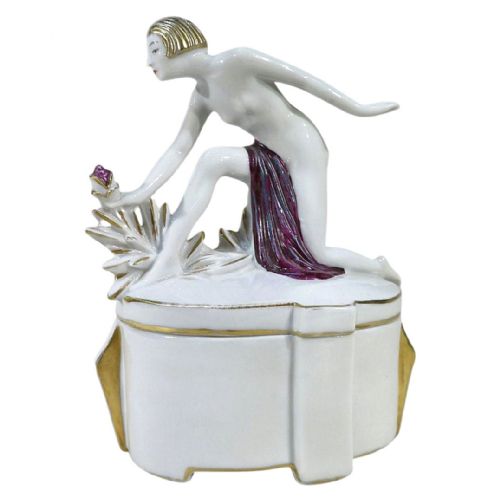

White and Gold Figurines
White and gold figurines combine crisp white ceramic or marble with gilded highlights, offering a striking display of sculptural form and metallic lustre.
White and Gold Figurines
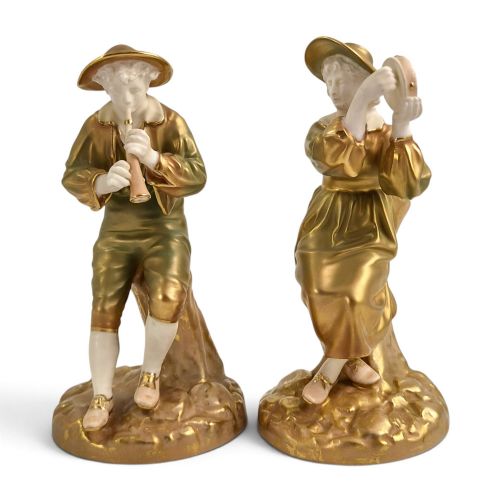
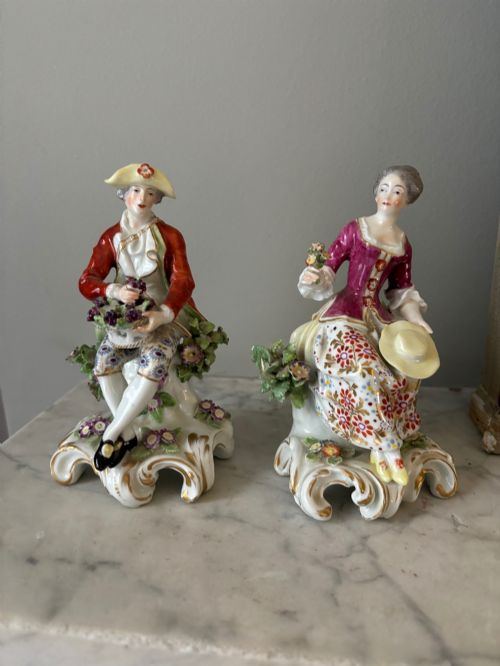
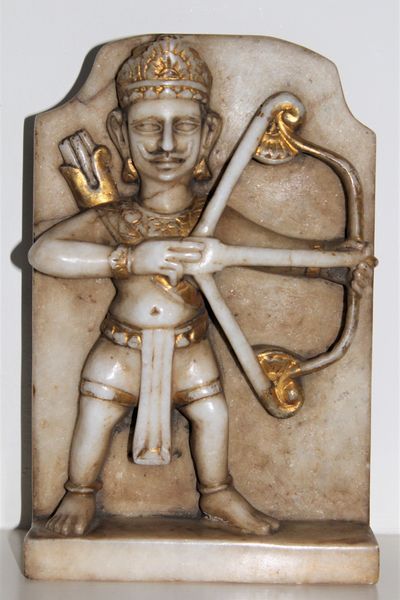
White and gold figurines encompass porcelain figures, busts, and decorative objects shaped in human and animal forms. These pieces unite bright white surfaces with gilded accents, spanning styles from eighteenth-century Rococo to Art Deco.
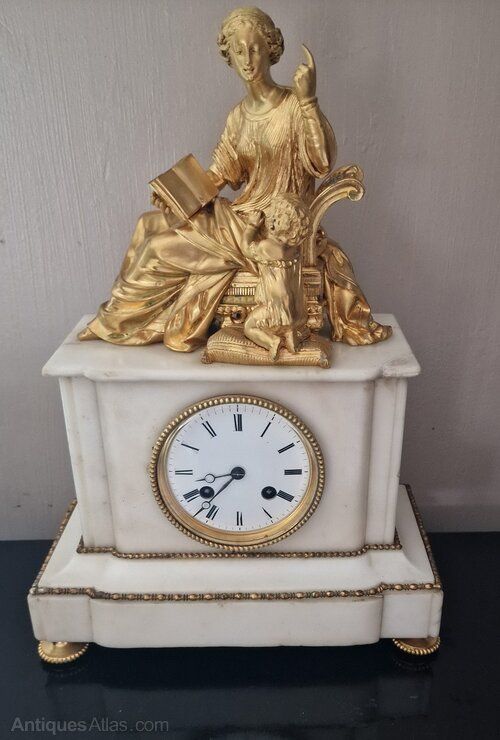
The selections available here rely heavily on nineteenth-century craftsmanship alongside earlier porcelain traditions. Buyers frequently encounter Staffordshire dogs, porcelain cherubs, and classical figures alongside mantel clocks set with marble and ormolu.
Origins stretch across European workshops, including English factories, German potteries like Volkstedt and KPM Berlin, and French studios. Each piece demonstrates how makers balanced plain white bodies with rich gold leaf or gilt details.
How they were made
The foundation of these objects typically rests on fired porcelain, cast white marble, or glazed ceramic bodies. Artisans shaped these materials into complex sculptural forms before applying surface decoration.
White and Gold Figurines Retail Price Guide 2026
Typical asking prices for white and gold figurines among the pieces listed under this phrase on Sellingantiques today, from the lower quarter to the upper quarter. They describe what is for sale here now, not the wider market.
Listings feature porcelain, marble, enamel, and ormolu materials across Victorian, Art Deco, and Rococo styles.
What varies in quality
The application and preservation of the gold leaf or ormolu mounts also define the standard of a piece. Intact gilding with crisp burnished highlights retains the intended contrast against the white marble or porcelain background.
Edme Sampson·Royal Worcester·KPM Berlin·Volkstedt Triebner Ens Eckert·Chelsea Porcelain
The White and Gold Figurines Glossary
- Ormolu
- Gilded bronze mounts and decorative elements used extensively on clocks and decorative objects during the eighteenth and nineteenth centuries. This technique involved applying a mercury and gold amalgam to bronze.
- Gilt
- A thin layer of gold applied to the surface of porcelain, metal, or wood. It provides the characteristic metallic gleam seen alongside white ceramic bodies.
- Gold Anchor Mark
- A porcelain factory mark associated with eighteenth-century Chelsea figures. It denotes a specific period of production for high-grade English ceramics.
- Neuzierat
- A specific moulded porcelain pattern featuring basketweave or scroll relief borders. It appears on nineteenth-century German teaware and decorative pieces.
- Biscuit porcelain
- Unglazed fired ceramic that yields a matte, white, marble-like finish. It was favoured for neoclassical figurines and portrait busts.
White and Gold Figurines: Frequently Asked Questions
How do I clean white and gold figurines?
Dust surfaces gently with a soft, dry brush to prevent accumulation in crevices. Avoid harsh chemical cleaners that can damage delicate gilding or handpainted enamel.
Keep pieces away from direct sunlight to preserve the brightness of the white ceramic and the integrity of the gold leaf over time.
Are these pieces made of porcelain or marble?
The selection includes both ceramic materials, such as glazed porcelain and biscuit ware, and carved natural stone like white marble. Each medium offers a distinct texture and weight.
Porcelain items often feature painted details and gilded accents, while marble pieces rely on polished surfaces and ormolu mounts for contrast.
How can I identify nineteenth century pieces?
Look for specific factory marks stamped or painted on the underside of porcelain figures. Stylistic cues such as Victorian proportions or Art Deco geometries also help date the work.
Comparative analysis of the gilding technique and material weight further assists in placing an object within its correct period.
Where were most of these items manufactured?
Production centres span across England, Germany, and France, reflecting major European ceramic and decorative arts traditions. Factories like KPM Berlin and Chelsea contributed significant porcelain output.
French workshops frequently combined marble and ormolu to create decorative mantel clocks and sculptural ornaments.