


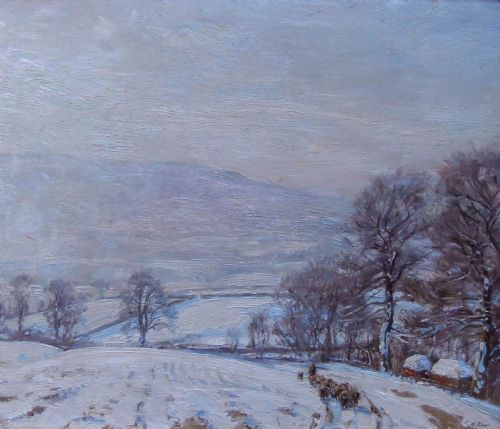
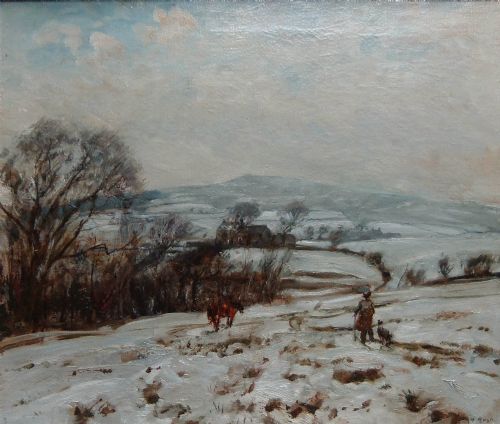


Wharfedale Yorkshire Oil Painting
These wharfedale yorkshire oil painting works capture the changing light and rugged beauty of the Yorkshire Dales through brush and pigment.
Wharfedale Yorkshire Oil Painting
A wharfedale yorkshire oil painting brings the landscape of the Yorkshire Dales directly to the wall through traditional artistic vision. Collectors seek these works for their atmospheric depiction of local scenes such as Bolton Bridge, Burnsall, and Kilnsey Crag.
The pieces available span from the nineteenth century into the twentieth century, capturing rural life, farming, and seasonal shifts. Most works concentrate on regional settings like Crosshills, Leathley, and Netherside.
Forms range from intimate river studies to larger pastoral views featuring sheep and farmsteads. British Impressionism and Victorian Pastoral styles dominate the visual language of these regional landscapes.
Materials and technique
Artists relied primarily on oil paint applied to stretched canvas or wooden panels. This combination allowed for rich texture and lasting depth of colour in depicting skies, rivers, and stone.
Brushwork varies from tight Victorian academic precision to looser, more expressive strokes influenced by British Impressionism. Support materials such as wood and canvas provide the durable foundation required for these sustained landscape studies.
Materials across these listings include canvas, wood, and oil paint, spanning the nineteenth and twentieth centuries.
What separates the finest works
Quality rests upon the artist's command of light, atmosphere, and seasonal mood within the Yorkshire landscape. The finest examples demonstrate confident handling of pigment that conveys the actual chill of winter or the warmth of a haymaking afternoon.
Compositional strength and the specific fidelity of the local topography elevate certain pieces above standard topographical illustration. The presence of identifiable regional landmarks combined with assured brushwork marks the upper tier of these paintings.
Owen Bowen·Herbert Royle·William Manners·William Greaves·Ernest Moore
The Wharfedale Yorkshire Oil Painting Glossary
- Canvas
- A heavy woven fabric stretched across a wooden frame to serve as a painting surface. It provides the traditional flexible support for many nineteenth and twentieth century oils.
- Oil paint
- A slow-drying medium composed of pigments suspended in drying oil, typically linseed oil. This medium allows artists to blend tones smoothly and build rich surface textures.
- British Impressionism
- An artistic movement focusing on light, everyday subjects, and looser brushwork rather than rigid academic detail. It strongly influences many regional landscape works from this era.
- Wood panel
- A rigid wooden support used by artists instead of fabric canvas. Panels offer a firm surface that withstands decades of handling without slackening.
Wharfedale Yorkshire Oil Painting: Frequently Asked Questions
What subjects appear most often?
The compositions focus heavily on rural Yorkshire life, including haymaking, winter feeding, river scenes, and local farmsteads.
Prominent landmarks such as Barden Bridge, Bolton Abbey, and Kilnsey Crag frequently anchor the landscape views.
How do I identify the period?
Stylistic clues and framing materials help indicate whether a work originates from the nineteenth century or the twentieth century.
Victorian pastoral pieces tend to show tighter detail, whereas later twentieth century examples often reflect British Impressionist freedom.
Where were these scenes painted?
Artists positioned themselves directly within the Yorkshire Dales, recording specific locations along the River Wharfe.
Named sites like Burnsall, Crosshills, and Netherside appear repeatedly across the documented works.
How should I display them?
These oil paintings suit traditional domestic spaces where adequate wall space allows the landscape perspective to breathe.
Keep them away from direct sunlight and excessive humidity to protect the oil paint and canvas over time.