







West Persian Bag
These west persian bag examples are nomadic textiles woven by tribal groups, offering practical storage and striking geometric design for modern interiors.
West Persian Bag
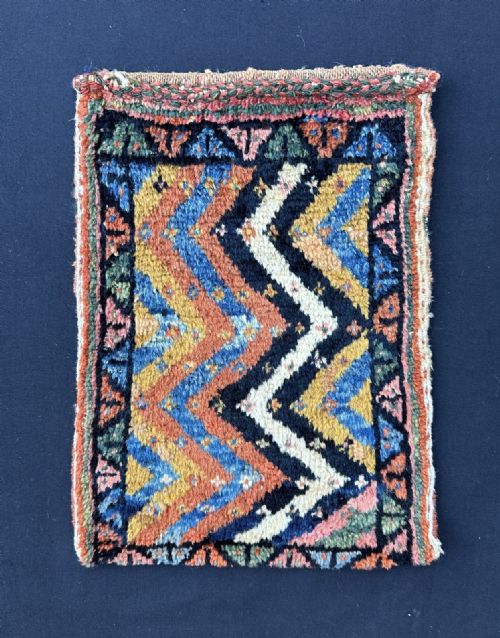
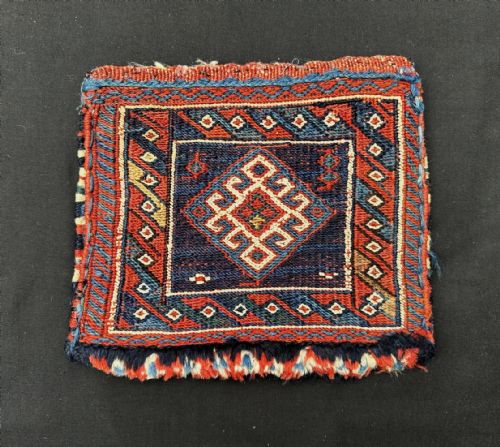
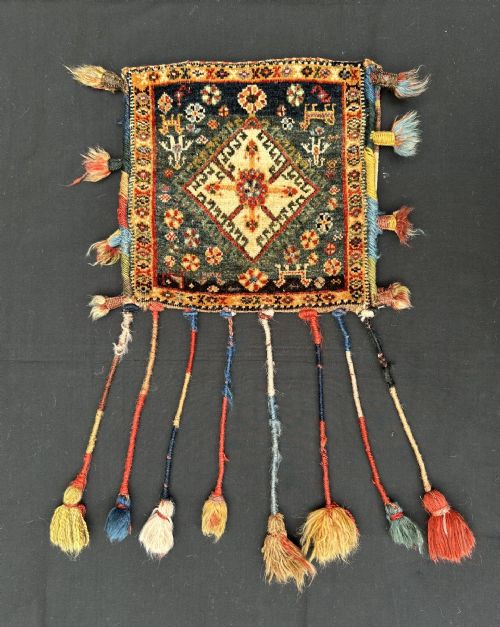
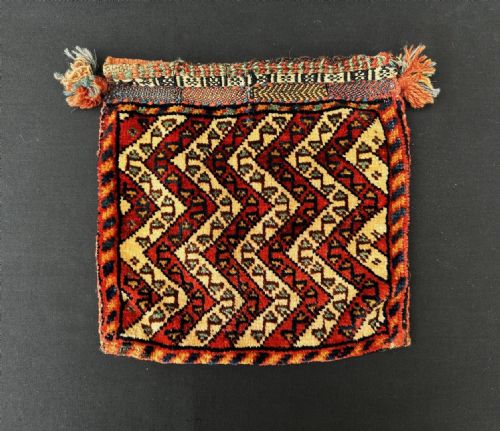
A west persian bag represents the utilitarian weaving traditions of nomadic and confederated tribes such as the Qashqai and Bakhtiari. These items served daily nomadic functions for transport, storage, and personal belongings.
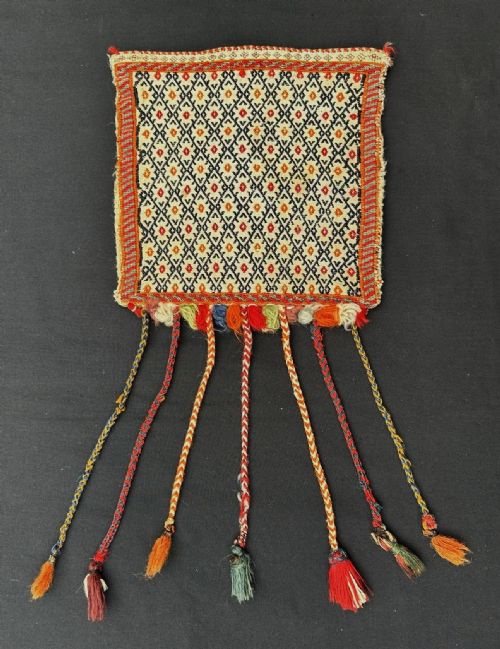
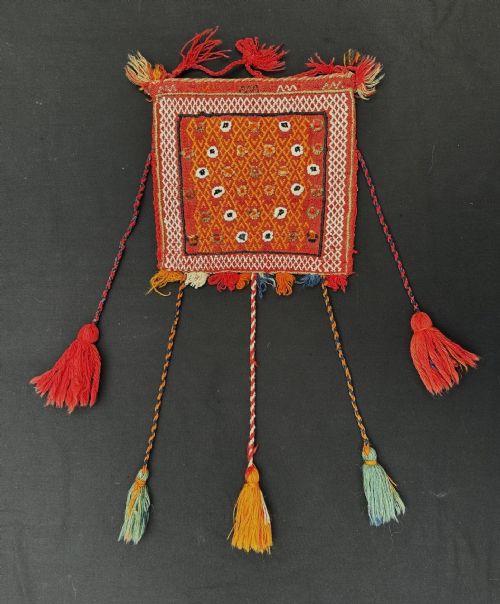
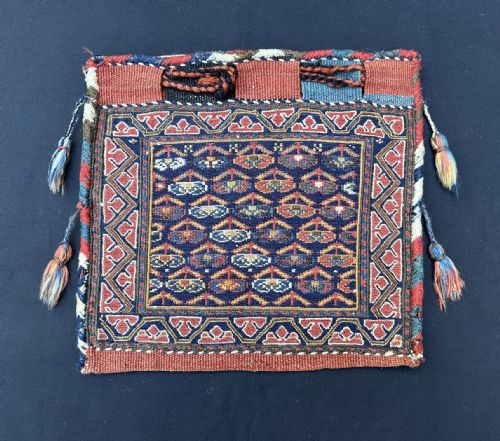
The selections here encompass specific functional forms, including vanity bags, salt bags, saddle-bags, and wheat sacks. Each piece originates from regions like the Chahar Mahal valley or Fars province.
Tribal weavers produced these items across decades spanning the late nineteenth and early twentieth centuries. Surviving examples demonstrate the distinct regional identities of Lori, Kurdish, and Shahsavan makers.
Materials and construction methods
The construction relies on hand-spun wool and cotton foundations, frequently incorporating goat hair and leather for structural durability. Natural dyes provide the enduring colour palette characteristic of these tribal textiles.
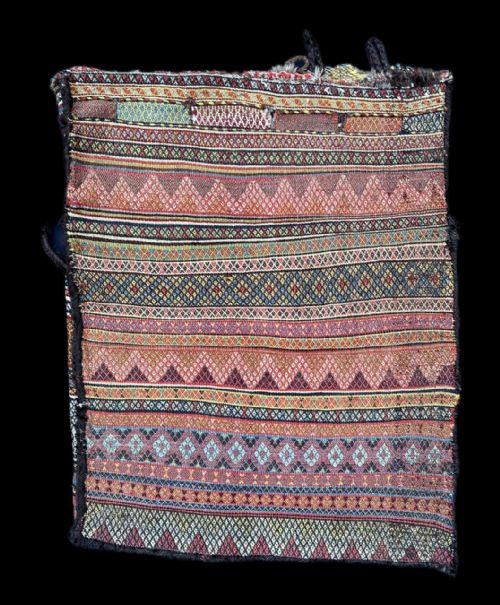
Weavers utilised traditional hand-knotting techniques to create dense pile surfaces on bag faces, alongside flatwoven kilim backs. Metal details and sturdy looping finish the functional edges of these nomadic items.
West Persian Bag Retail Price Guide 2026
Typical asking prices for west persian bag among the pieces listed under this phrase on Sellingantiques today, from the lower quarter to the upper quarter. They describe what is for sale here now, not the wider market.
Understanding quality differences
Quality rests upon the fineness of the knotting and the complexity of the tribal iconography expressed across the field. Tightly packed wool and well-preserved natural dyes distinguish superior examples.
The integrity of the remaining structure, including original leather bindings and goat hair selvedges, dictates the preservation standard. Greater tribal specificity in the attribution also elevates the standing of an individual piece.
The West Persian Bag Glossary
- Khorjin
- A traditional double-sided saddle-bag used by nomads for carrying household possessions during migration. These were designed to be draped across pack animals.
- Tayefeh
- A sub-tribe or clan division within a larger tribal confederacy, often noted in Qashqai attributions. Identifying the specific group helps pinpoint the origin of the weaving style.
- Tasheh
- A specific type of tribal bag or wheat sack associated with Kurdish and Bakhtiari weavers. These items served agricultural and storage purposes within rural settlements.
- Selvedge
- The tightly bound side edges of a textile that prevent the knots from unravelling. Original goat hair reinforcement indicates careful tribal construction.
- Medallion
- A central ornamental design motif placed in the field of the bag face. Tribal weavers arranged geometric and pictorial elements around this focal point.
West Persian Bag: Frequently Asked Questions
What were west persian bags used for?
Nomadic tribes utilised these bags for storing salt, provisions, personal items, and household goods during seasonal migrations.
They functioned primarily as durable transport containers attached to horses, camels, or donkeys before entering domestic use.
How do I care for an antique bag?
Keep these textiles out of direct sunlight to protect the natural dyes from fading over time. Gentle vacuuming without a beater bar removes trapped dust from the wool pile safely.
Professional textile conservators should handle deep cleaning or structural repairs to maintain the integrity of the materials.
How can I tell tribal groups apart?
Attributions rely on specific structural traits, wool qualities, and distinct geometric motifs associated with regions like Fars or Luristan. Qashqai work often differs in palette and layout from Bakhtiari or Kurdish weaving.
Inscriptions and specific sub-tribe names recorded in the design traditions further clarify the geographic source.
Are bag faces sold separately from backs?
Many surviving examples consist solely of the decorative bag face rather than the complete double pouch. Collectors often frame or mount these individual faces as flat textile panels.
Complete sets with both sides and original connecting bridges remain less common due to the wear of daily travel.