




Welsh House Furniture
Welsh house furniture comprises sturdy oak and pine dressers, cupboards, and tables embodying centuries of rural craftsmanship and domestic utility.
Welsh House Furniture
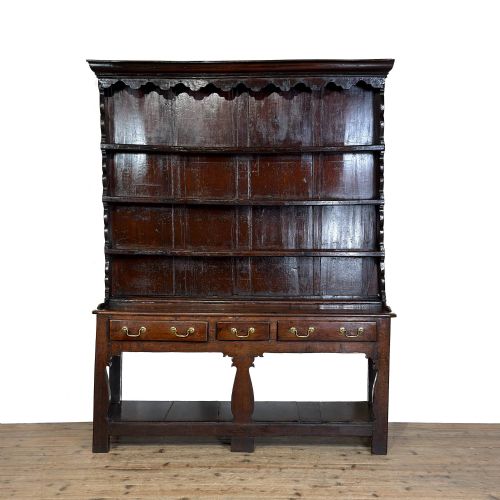
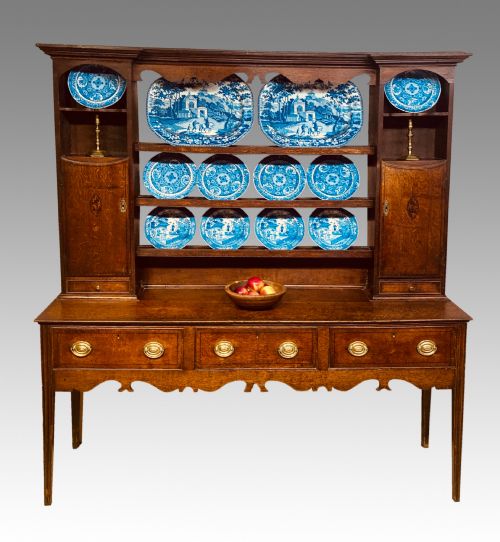
When buyers search for welsh house furniture, they encounter substantial country pieces designed for rural domestic life across the eighteenth and nineteenth centuries. The listings show a strong presence of oak dressers, cupboards, and farmhouse tables originating from Georgian and Victorian periods.
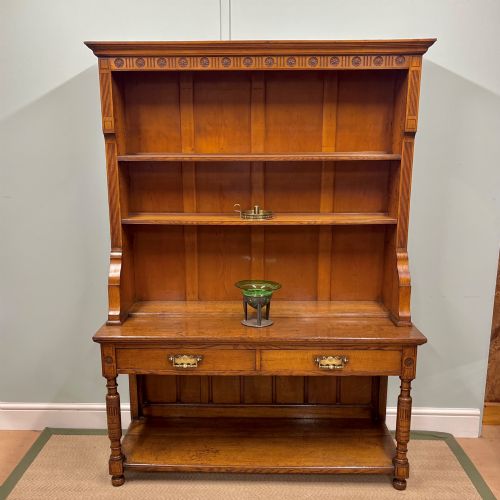
The most common forms on this page are kitchen dressers, dresser bases, and hanging cupboards executed in solid oak or pine. Many examples display regional characteristics such as Georgian vernacular styling, cabriole legs, or original painted finishes.
Pieces span from mid-eighteenth century cottage furniture to larger Victorian country house dressers and tavern tables. This selection reflects the robust utilitarian needs of historic Welsh and English rural households.
Materials and construction methods
Makers utilised native timbers predominantly, with solid oak, elm, and pine forming the structural core of these domestic items. Brass and iron hardware such as hinges and pulls provide functional contrast to the heavy wooden construction.
Joinery relied on traditional pegging and framing techniques suited to daily rural wear, while secondary surfaces occasionally received layers of paint. Structural elements like the X frame tavern table demonstrate the varied carpentry approaches employed in regional workshops.
Welsh House Furniture Retail Price Guide 2026
Typical asking prices for welsh house furniture among the pieces listed under this phrase on Sellingantiques today, from the lower quarter to the upper quarter. They describe what is for sale here now, not the wider market.
Early tavern tables often carry the visible scars of spilled ale and rowdy patrons, adding unrepeatable character to the timber.
Distinctions in craftsmanship
Quality in these pieces rests upon the selection of timber and the integrity of the original construction rather than decorative excess. Superior examples exhibit well-proportioned timbers, such as figured oak or clean pine, joined with careful attention to structural balance.
The survival of original surface treatments, including early red paint or patinated bare wood, elevates a piece significantly. Finer items maintain their original hardware and unaltered proportions, distinguishing them from heavily restored or later assembled variants.
The Welsh House Furniture Glossary
- Dresser base
- The lower section of a kitchen dresser, usually featuring drawers and cupboards without the upper plate rack.
- Vernacular country
- A style of architecture and furniture making rooted in local traditions, materials, and practical needs rather than formal academic design.
- Hanging cupboard
- A wall-mounted storage cabinet enclosed by doors, utilised in period homes to keep provisions or household items secure.
- Armoires and linen presses
- Large enclosed pieces of furniture designed for storing garments and household textiles, often fitted with internal shelving or hanging space.
- Cabriole leg
- A furniture leg that curves outward and then tapers inward, inspired by the shape of an animal's leg and seen on select Georgian period pieces.
Welsh House Furniture: Frequently Asked Questions
How do I care for antique oak furniture?
Solid oak pieces require stable room humidity and protection from direct sunlight to prevent the timber from drying out or splitting.
Regular dusting with a dry cloth and occasional application of appropriate natural wax help maintain the patinated surface over time.
Are painted finishes original on these pieces?
Certain items retain early or original paint layers, such as red finishes found on tavern tables or painted pine cupboards from the nineteenth century.
Scientific or physical analysis of the paint layers helps determine whether a surface coating dates to the period of manufacture.
Where were these rural items made?
The pieces originate from domestic workshops and regional makers operating within Wales and rural England during the Georgian and Victorian eras.
Local carpenters utilised readily available regional timbers such as oak, elm, and pine to construct durable furniture for local farms and cottages.