



Weighted Grandfather Clock
These weighted grandfather clock examples combine traditional timekeeping with striking mechanics, offering a commanding presence and rich history.
Weighted Grandfather Clock
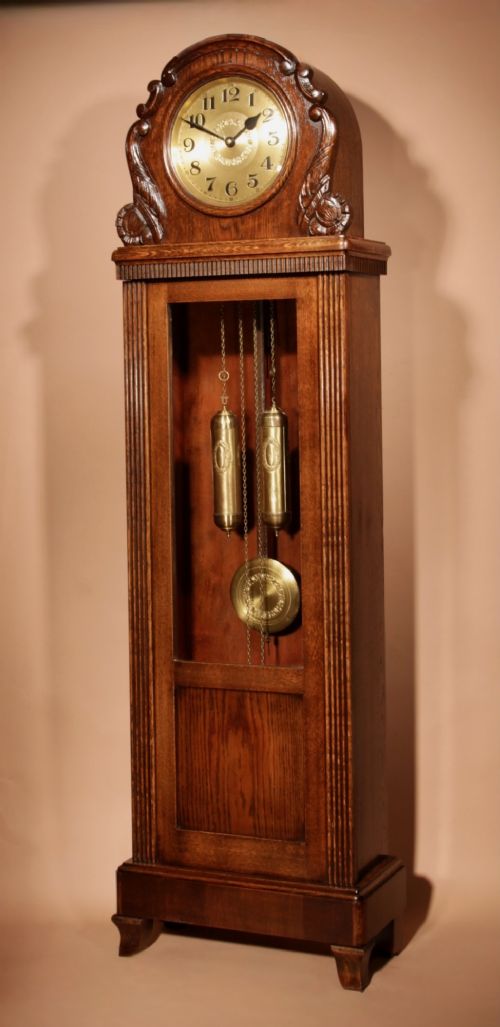
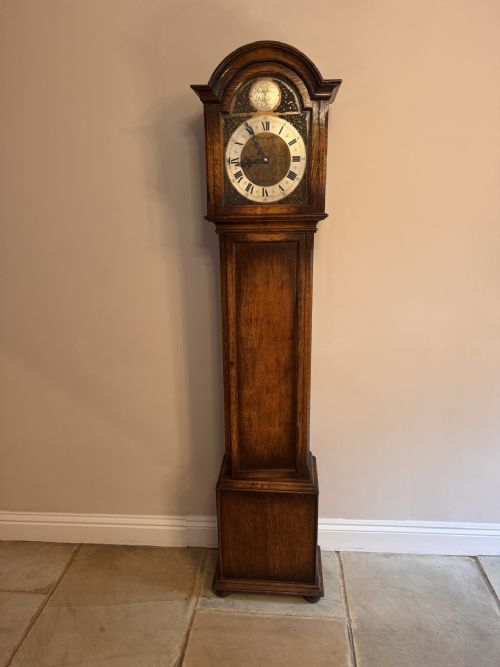
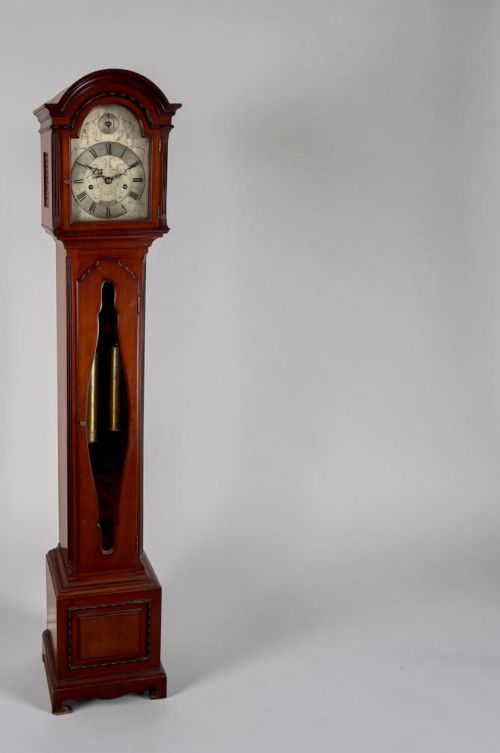
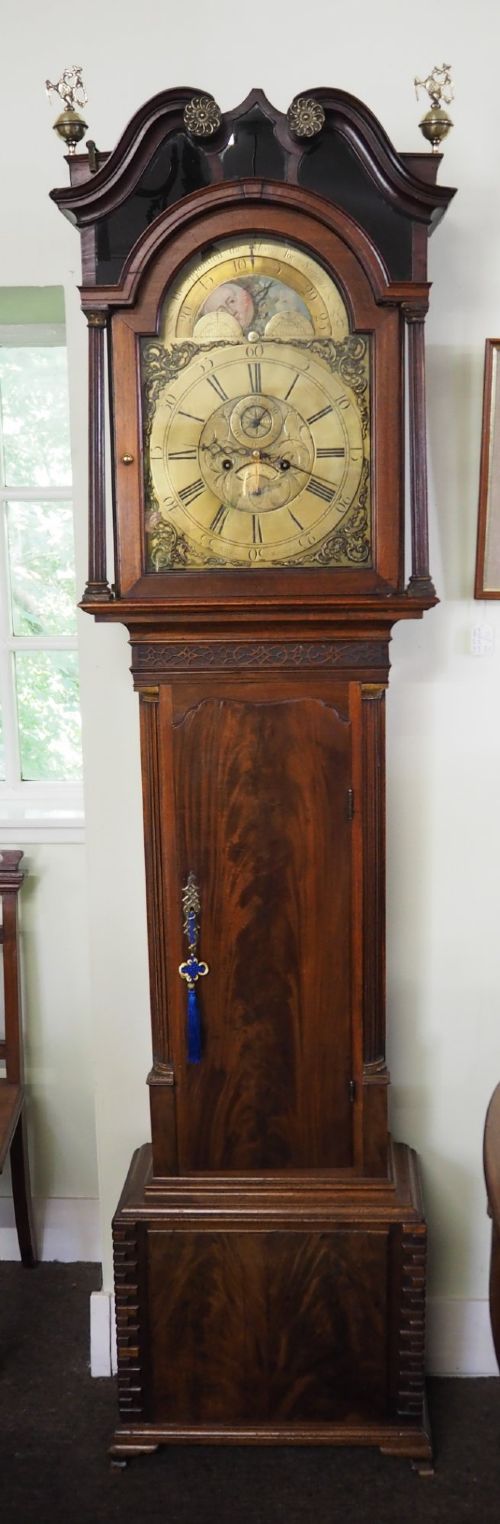
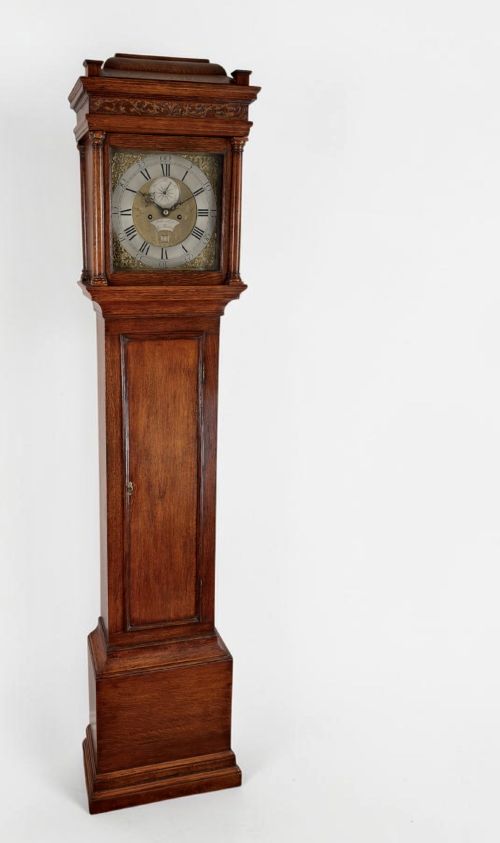
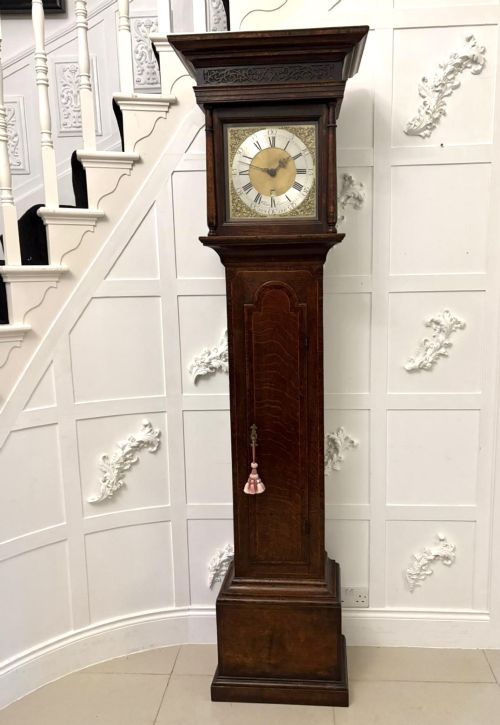
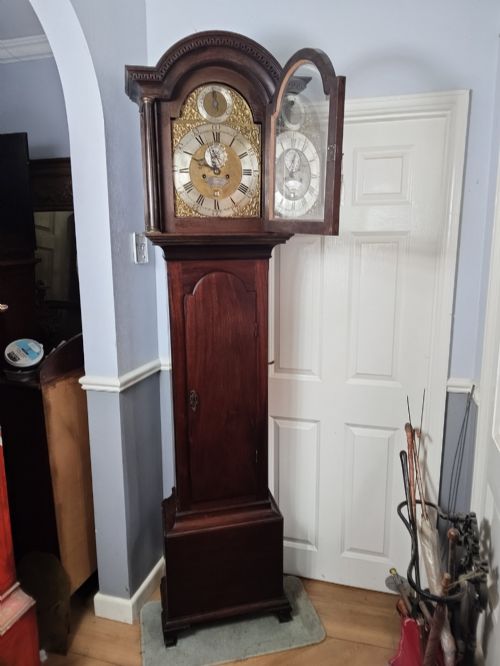
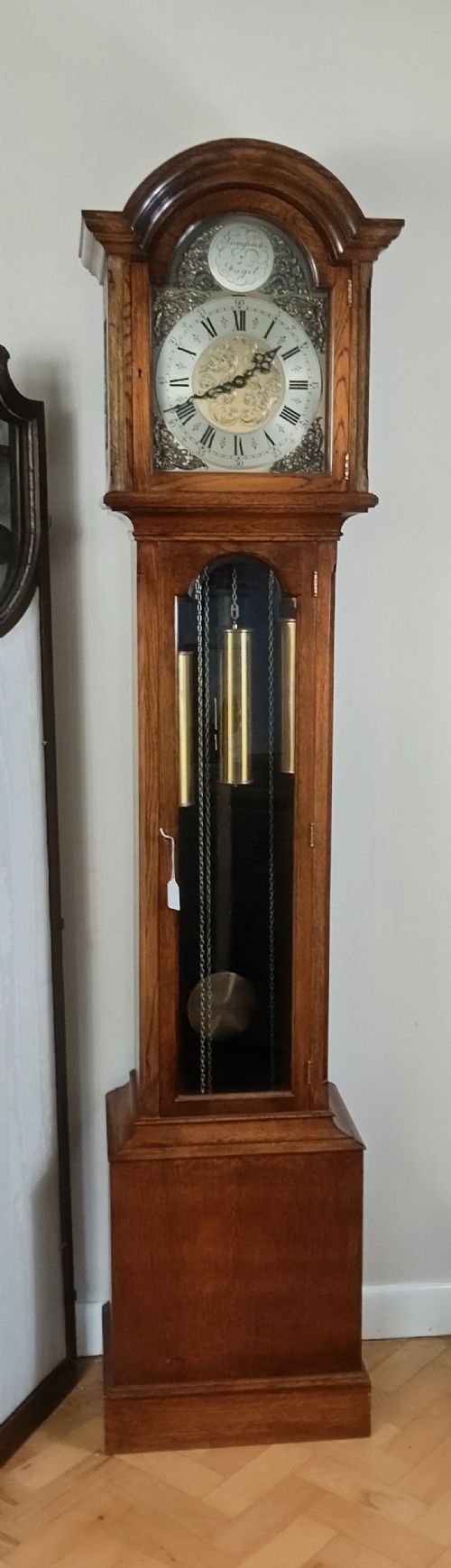
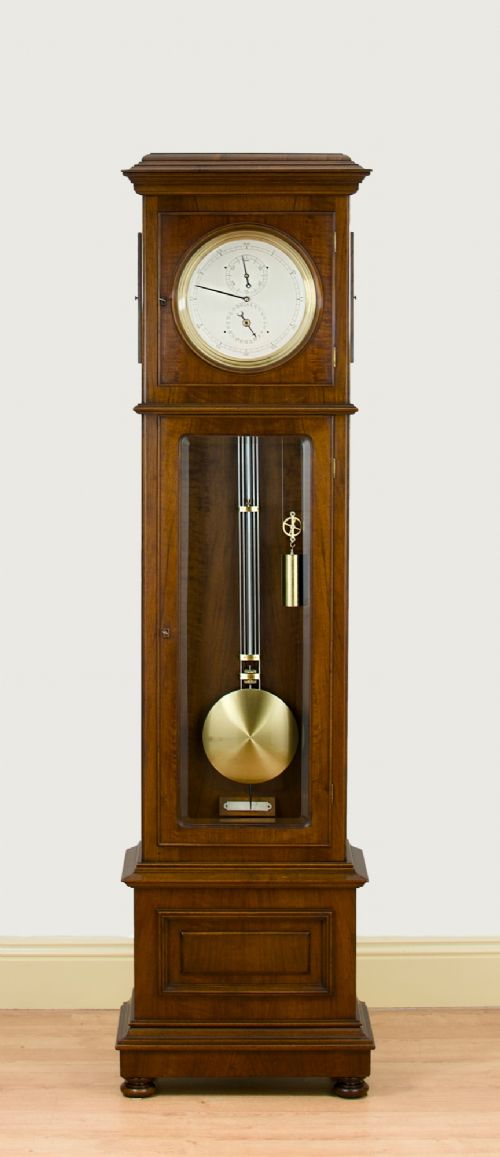
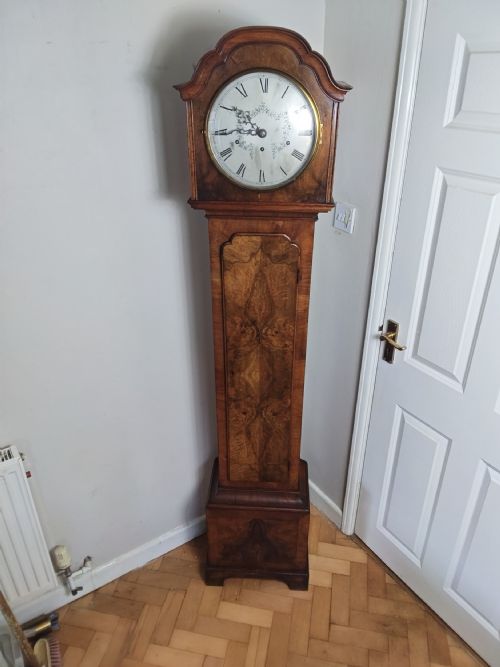
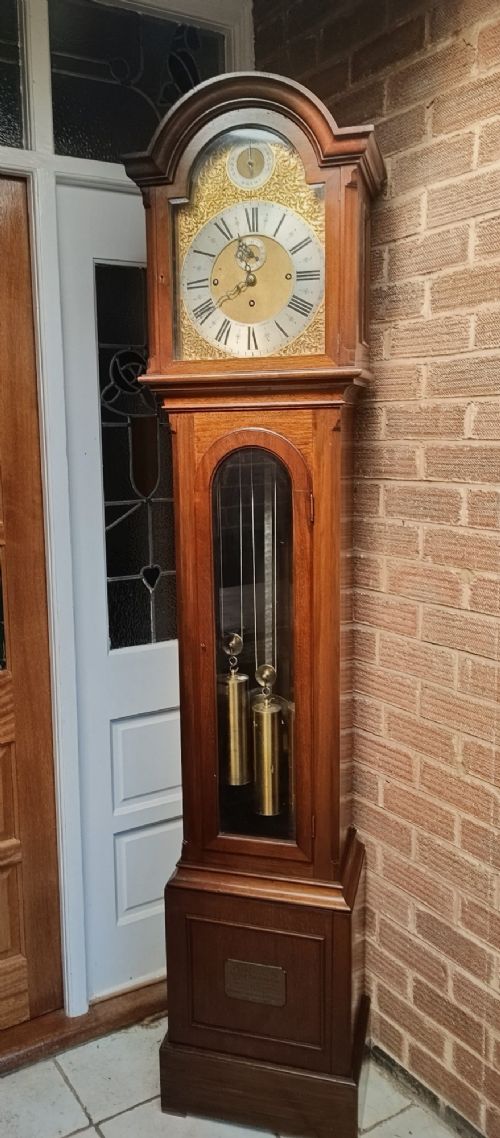
A weighted grandfather clock, also recorded across listings as a longcase clock or grandmother clock, stands as a traditional tall timekeeper driven by suspended weights rather than springs. Buyers searching for a weighted grandfather clock encounter various traditional heights and proportions, from full-sized George III examples to more compact 20th-century models.
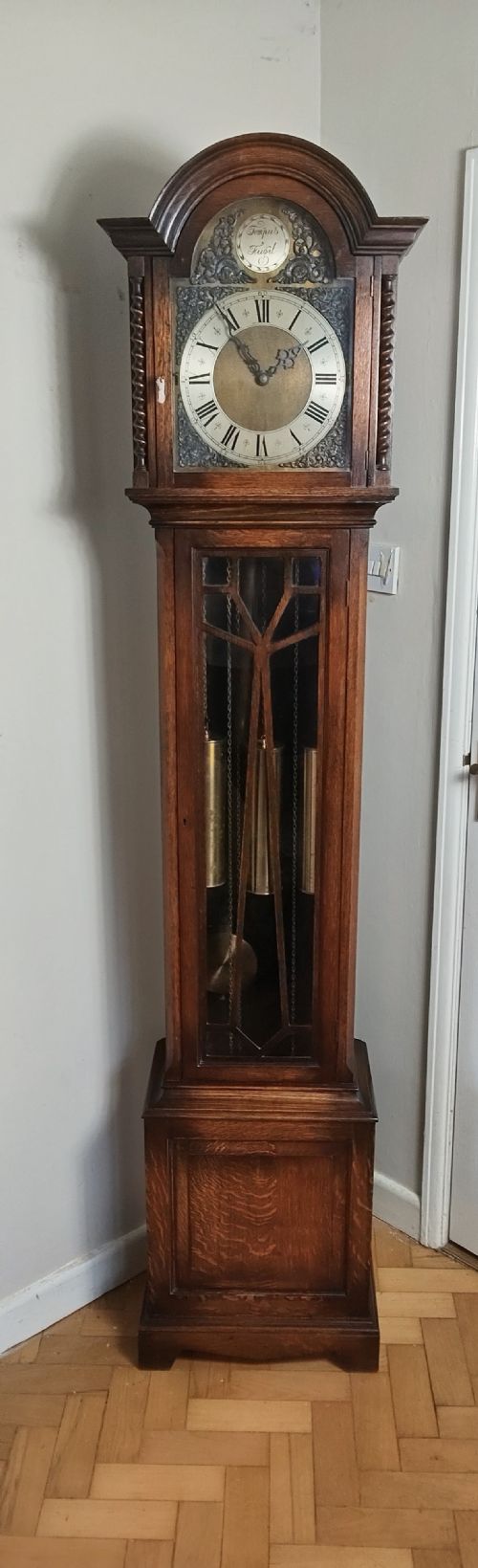
The material palette of these timepieces spans 18th-century oak and mahogany through to Edwardian and 1930s interpretations in walnut and burr oak. Regional British makers and continental workshops produced these clocks across Georgian, Victorian, and later revival styles, incorporating brass dials, glass hoods, and intricate chiming trains.
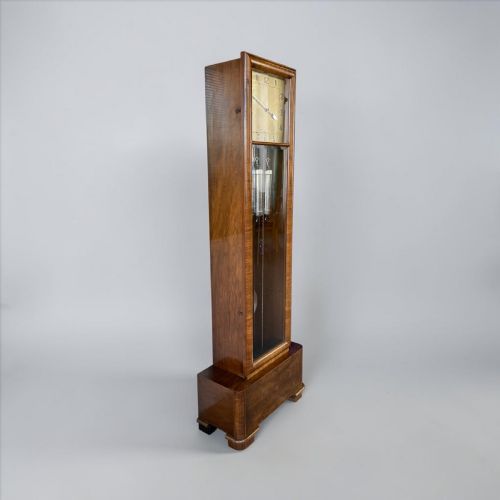
Smaller variations, often termed grandmother clocks, appear alongside substantial musical and quarter-chiming editions driven by triple weight systems. The listings demonstrate a rich continuity of longcase production, stretching from early 18th-century painted oak pieces to Art Deco designs.
Materials and construction
Cabinetmakers utilised solid timbers such as mahogany, oak, and walnut, frequently selecting burr veneers or applying lacquer to create deep surface interest on the tall trunks. Iron and steel components sustained the internal movements, while brass formed the dials, bezels, and suspended driving weights.
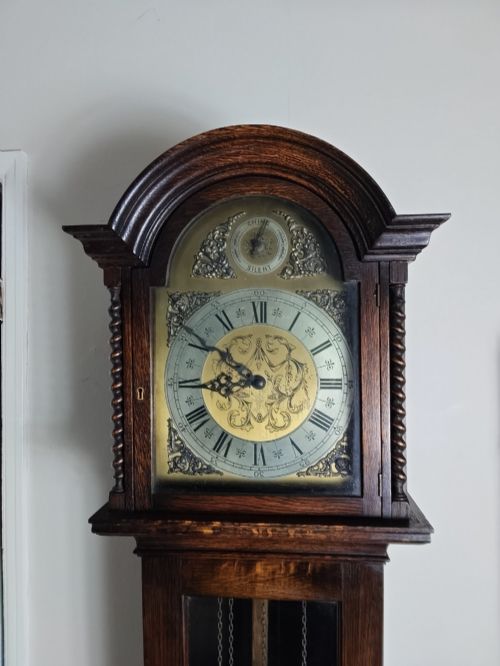
Glass protected the dial faces within hinged hood doors, allowing clear visibility of the engraved or painted brass chapter rings and subsidiary seconds hands. Joinery methods evolved from early pegged oak framing to sophisticated cabinetwork housing complex 8-day movements and bell chimes.
Weighted Grandfather Clock Retail Price Guide 2026
Typical asking prices for weighted grandfather clock among the pieces listed under this phrase on Sellingantiques today, from the lower quarter to the upper quarter. They describe what is for sale here now, not the wider market.
One listed Morbier clock proudly carries a limited edition stamp, proving that even grandfather clocks occasionally joined an exclusive club.
Distinctions in craftsmanship
The calibre of a movement separates standard timepieces from precision regulators, particularly those featuring multiple chimes, bells, or specialised striking trains. Maker attribution also elevates a piece, with signed dials from notable London, provincial, or continental workshops indicating superior dial engraving and movement finishing.
Cabinet quality reveals itself in the selection of timbers, such as figured mahogany or burr oak, coupled with balanced proportions and well-preserved surface patination. The integration of complex musical mechanisms alongside accurate pendulum regulation demonstrates the higher tier of longcase construction.
Gillett and Johnston of Croydon·Lee of Great Marlow·Elliott·Lenzkirch·Enfield·David Craig Ford Path head·Francis Perigal of Bond Street·William Wady of Twickenham·Lister and Sons·Thomas De Gruchy Jersey·Wm Stanford·Benjamin Rogers·Rob Parry Pwllheli·Anthony Marsh London
The Weighted Grandfather Clock Glossary
- Longcase clock
- A tall pendulum clock enclosed in a wooden case designed to rest directly on the floor. These instruments rely on hanging weights suspended by cords or chains.
- Grandmother clock
- A smaller, more slender version of the traditional longcase clock, typically produced during the early 20th century.
- Regulator longcase clock
- A high-precision timekeeper designed for exceptional accuracy, often featuring a fine deadbeat escapement and a heavy compensating pendulum.
- Quarter chiming
- A mechanical system that plays a melody on bells or gongs every fifteen minutes before striking the full hour.
- Arch dial
- A clock face featuring a rounded upper section that often houses subsidiary dials for strike-silent mechanisms or maker signatures.
Weighted Grandfather Clock: Frequently Asked Questions
How do weight-driven clocks operate?
Weight-driven clocks utilise heavy metal weights suspended by lines or chains that slowly descend as gravity pulls them downward, providing the continuous force needed to drive the gear train.
As the weights drop over days or weeks, they store potential energy which is then regulated by the escapement and pendulum to release power at a strictly controlled rate.
What is the difference between a grandfather and a grandmother clock?
A grandfather clock refers to the traditional full-sized tall case timekeeper, whereas a grandmother clock is a smaller, more delicate version scaled down in height and proportion.
Grandmother clocks gained popularity during the Edwardian era and the 1920s and 1930s, offering collectors the aesthetic of a long case in spaces with lower ceilings.
How do I wind a weighted longcase clock?
Wind a weighted longcase clock by using a specialised crank key or by gently pulling the hanging chains, depending on the internal movement design.
Care must be taken to support the weight or chain slightly while winding to avoid putting undue strain on the historic cords, ensuring the mechanism remains undamaged.
Where should I place a longcase clock at home?
Position a longcase clock against a sturdy interior wall away from direct sunlight, heating vents, and high-traffic corridors to protect the wooden case.
A stable floor surface is essential so the clock can stand perfectly plumb, allowing the pendulum to swing freely and keep accurate time without interference.