

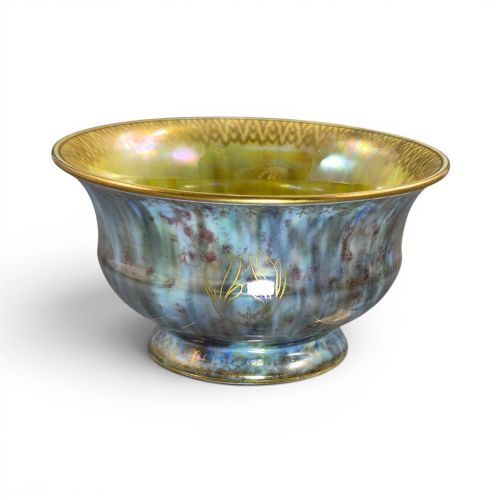
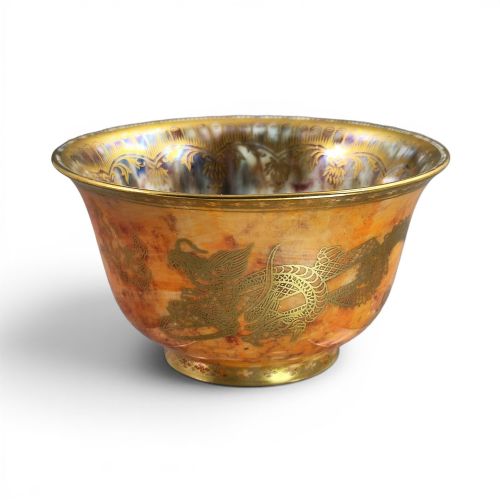


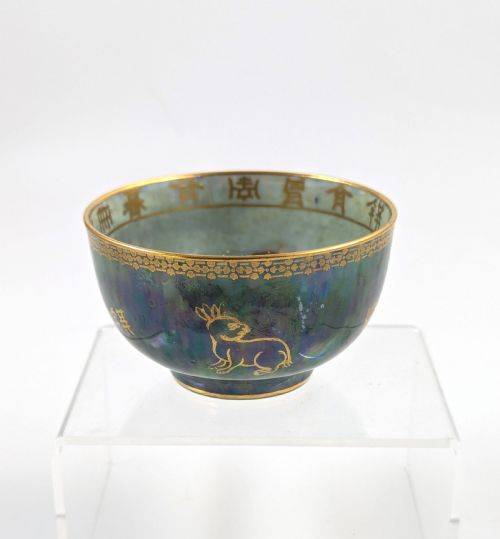


Wedgwood Porcelain Bowl
A wedgwood porcelain bowl brings complex lustre glazes and mythical designs from the early twentieth century directly to a table.
Wedgwood Porcelain Bowl
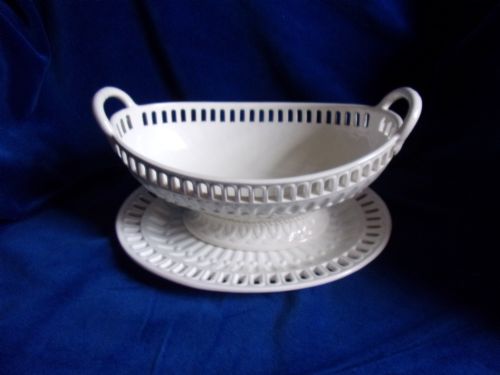
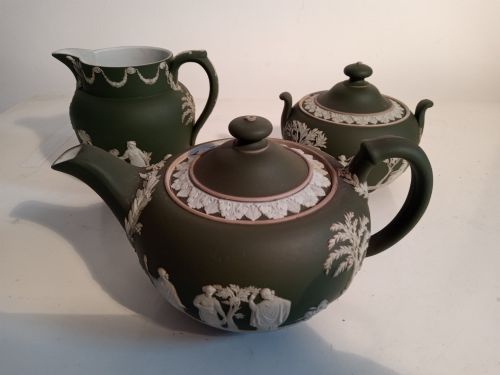
A wedgwood porcelain bowl encompasses decorative vessels spanning from the nineteenth century through the 1920s. The selection on this page leans heavily toward the vibrant lustre wares produced during the Edwardian period and the 1910s and 1920s, alongside earlier creamware and earthenware forms.
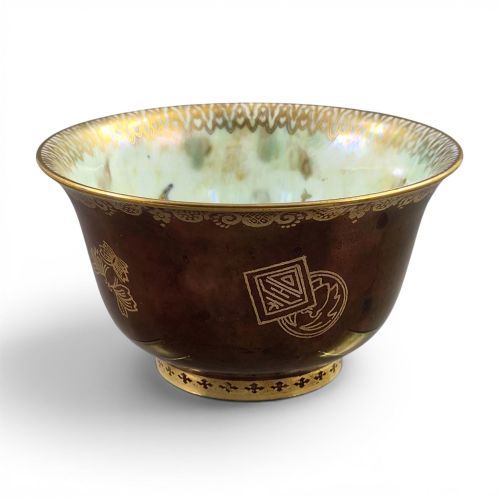
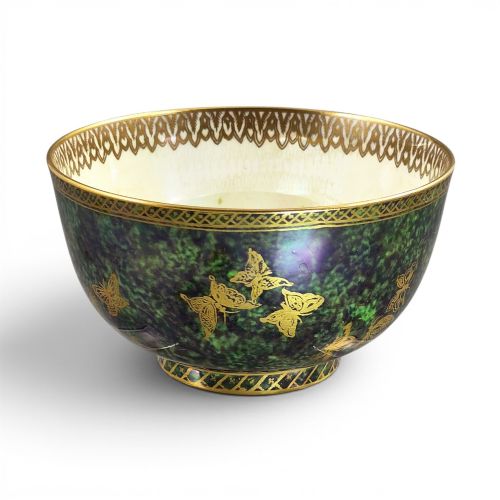
Makers and designers working during the early decades of the twentieth century utilised distinct ornamental motifs such as dragons, butterflies, and phoenixes. Forms range from standard circular vessels to octagonal bowls and decorative baskets originating from England.
How they were made
Ceramic bodies of porcelain, bone china, earthenware, and creamware form the structural base of these vessels. Artisans applied lustre glazes, enamel colours, and gold leaf to achieve shimmering metallic and iridescent surfaces.
Hand painting and gilding techniques define the decoration, requiring multiple firings in the kiln to set the complex patterns and rich surface tones.
Wedgwood Porcelain Bowl Retail Price Guide 2026
Typical asking prices for wedgwood porcelain bowl among the pieces listed under this phrase on Sellingantiques today, from the lower quarter to the upper quarter. They describe what is for sale here now, not the wider market.
Listings feature porcelain, bone china, earthenware, and creamware across the 19th Century, Edwardian period, 1890, 1910, and 1920.
What varies in quality
The sophistication of the painted design and the depth of the lustre glaze determine the standard of an individual piece. Highly intricate patterns involving multiple mythical creatures demand greater skill from the artist than simpler geometric or monochromatic borders.
The precision of the hand gilding and the clarity of the enamel colours separate standard production items from masterworks designed by prominent figures.
Daisy Makeig Jones·James Hodgkiss
The Wedgwood Porcelain Bowl Glossary
- Lustre Glaze
- A type of ceramic glaze containing metallic oxides that produce an iridescent, shimmering surface upon firing. This technique creates the rich visual depth seen on Edwardian decorative wares.
- Creamware
- A refined earthenware developed in the eighteenth century with a pale yellowish cream colour. It provides a smooth surface for hand painted dessert services and baskets.
- Bone China
- A type of porcelain composed of bone ash, feldspathic material, and kaolin. It offers high mechanical strength and a translucent white body.
- Gilt
- A thin layer of gold applied to the surface of ceramic pieces as an accent or border. It highlights rims, handles, and internal pictorial details.
- Octagonal
- A geometric shape featuring eight sides used in the moulding of specific bowl forms. This angular profile alters how light interacts with the surrounding lustre glaze.
Wedgwood Porcelain Bowl: Frequently Asked Questions
What is a Fairyland Lustre bowl?
A Fairyland Lustre bowl is a decorative ceramic vessel featuring fantastical scenes of goblins, elves, and mythical creatures designed during the early twentieth century.
These pieces utilise complex glazing techniques to create rich, otherworldly colour palettes that shift in different lighting conditions.
How do I date a Wedgwood lustre bowl?
Dating these bowls involves examining the printed or impressed factory marks on the underside alongside the specific pattern number and stylistic motifs.
Pieces originating from the 1910s and 1920s often bear registration numbers that correspond to the British ceramic registry of the era.
Were these bowls used for food?
Many of these vessels served primarily as ornamental display objects rather than functional tableware due to their elaborate hand painted enamel and gold leaf decoration.
Earlier nineteenth century creamware pieces functioned within dessert services, while later lustre bowls were created for decorative display.
How should I clean my antique bowl?
Antique ceramic bowls require gentle dusting with a soft, dry cloth to prevent abrasion to the delicate enamel and gold leaf surfaces.
Immersion in water or the use of chemical cleaning agents can damage the lustre glaze and should be strictly avoided.