





Wedgwood Dragon Ceramic
Wedgwood dragon ceramic pieces are striking porcelain and bone china works finished with vibrant lustre glazes and gold gilt, sought after for their elaborate mythological motifs.
Wedgwood Dragon Ceramic
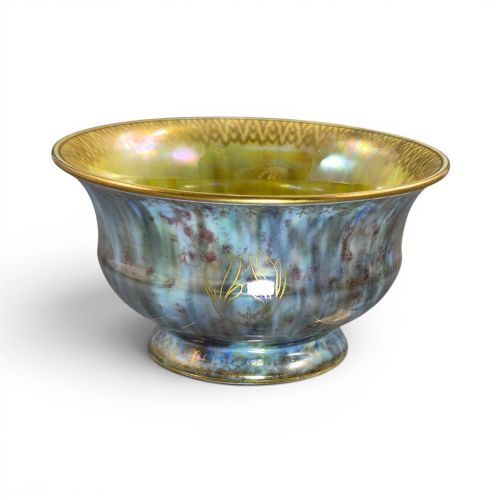
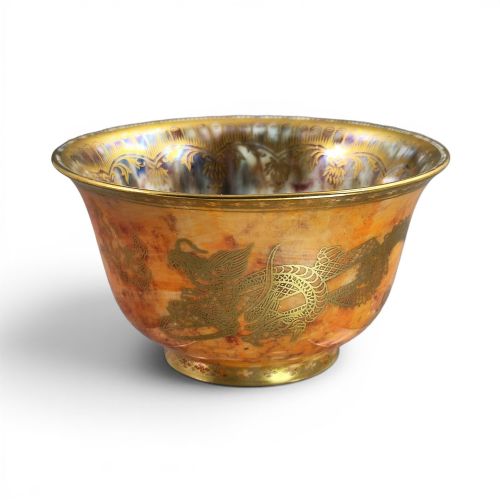
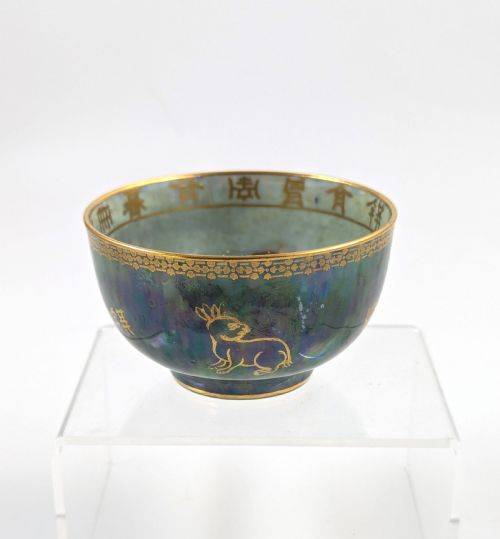
When you search for wedgwood dragon ceramic, you encounter decorative bowls, miniature cups, and decorative vases produced during the Edwardian period and the 1910 and 1920 decades. These forms showcase intricate mythological creatures rendered in vivid colours and metallic details.
The version you are most likely to meet on this page is the Fairyland Lustre bowl featuring coiling dragon or celestial dragon patterns. Octagonal bowls and bud vase trios also appear, displaying the distinctive design work characteristic of the era.
How they were made
Production relies on porcelain and bone china bodies shaped into vessels such as bowls, cups, and vases. Potters apply a specialised lustre glaze over the surface to create an iridescent sheen before adding the painted designs.
Makers incorporate gold leaf, gold gilt, and gold gilding to outline the dragon motifs and highlight borders. This combination of ceramic techniques and metallic embellishment defines the finished appearance of the wares.
Wedgwood Dragon Ceramic Retail Price Guide 2026
Typical asking prices for wedgwood dragon ceramic among the pieces listed under this phrase on Sellingantiques today, from the lower quarter to the upper quarter. They describe what is for sale here now, not the wider market.
Listings feature porcelain and bone china forms decorated with lustre glaze, gold leaf, and gold gilt across Edwardian, 1910, and 1920 periods.
What varies in quality
The richness and depth of the lustre glaze determine much of the visual impact across different examples. Variations in the application of gold gilt and gold gilding also influence how brightly the dragon details stand out against the glazed background.
Form complexity plays a role, with octagonal bowls and elaborate Fairyland Lustre patterns representing more intricate production methods than standard lustre wares. The precision of the hand-painted mythological motifs distinguishes one piece from another.
Daisy Makeig-Jones·Wedgwood
The Wedgwood Dragon Ceramic Glossary
- Lustre Glaze
- A metallic ceramic finish that produces an iridescent, reflective surface. This technique creates the characteristic shimmer seen on the pottery.
- Bone China
- A type of soft-paste porcelain containing bone ash. It provides a strong, slightly translucent body for fine decorative vessels.
- Gold Gilt
- A thin layer of gold applied to the surface of the ceramic. It accentuates the rims, patterns, and mythological figures.
- Fairyland Lustre
- A specific range of decorative wares featuring fantastical scenes and creatures. These patterns are among the most elaborate produced by the pottery.
Wedgwood Dragon Ceramic: Frequently Asked Questions
What periods do these ceramics come from?
The pieces originate from the Edwardian era, the 1910s, and the 1920s. This timeframe encompasses the height of production for the lustre dragon patterns.
Design elements from Art Nouveau and Art Deco styles appear across these decades, reflecting the shifting aesthetic preferences of the early twentieth century.
How were these dragon vessels used?
These items served primarily as ornamental display pieces rather than for functional daily dining. Bowls, vases, and miniature cups were designed to showcase vibrant glazes and detailed mythological artwork in drawing rooms.
Collectors today continue to exhibit them in cabinets or on mantelpieces where adequate light can catch the iridescent lustre and gold gilding.
How do I care for lustre glaze?
Protect the iridescent surface by dusting the ceramic gently with a soft, dry cloth. Avoid harsh cleaning agents, abrasive materials, and immersion in water to preserve the delicate gold leaf and glaze.
Keep pieces away from direct, prolonged sunlight to prevent any fading of the vibrant colours painted across the porcelain and bone china bodies.
How do I identify a Fairyland Lustre piece?
Look for complex mythological scenes involving dragons, fantastical landscapes, and rich multi-coloured lustre effects. Octagonal bowls and specialised pattern numbers often accompany these elaborate designs.
Standard lustre wares feature simpler geometric or single-motif decorations without the immersive fantasy narratives characteristic of the Fairyland range.