



Wedgwood Decorative Bowl
These pieces of wedgwood decorative bowl bring vibrant Edwardian craft into modern rooms through rich glazes and mythical imagery.
Wedgwood Decorative Bowl
A wedgwood decorative bowl combines intricate ceramic design with the distinct aesthetic sensibilities of the Edwardian period, 1910, and 1920. These pieces are predominantly round or octagonal vessels intended for display rather than utility.
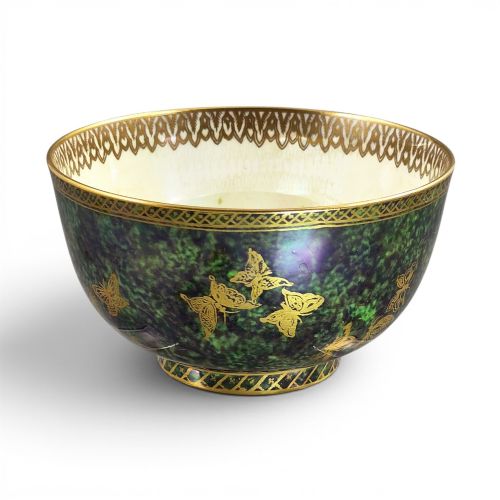
Most examples encountered here showcase elaborate fantasy themes, mythical creatures, and natural motifs applied across the surface. The form serves as a canvas for complex narrative scenes rather than simple tableware.
Assessing Quality and Execution
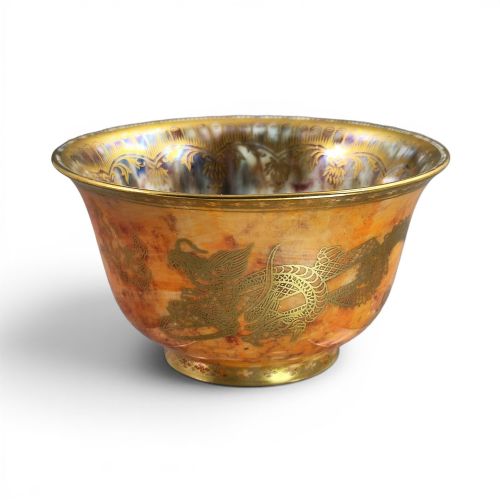
The sophistication of the painted narrative and the complexity of the pattern dictate the standard of the piece. Designs featuring detailed mythical subjects like dragons or fairyland motifs demand greater technical precision than simpler geometric borders.
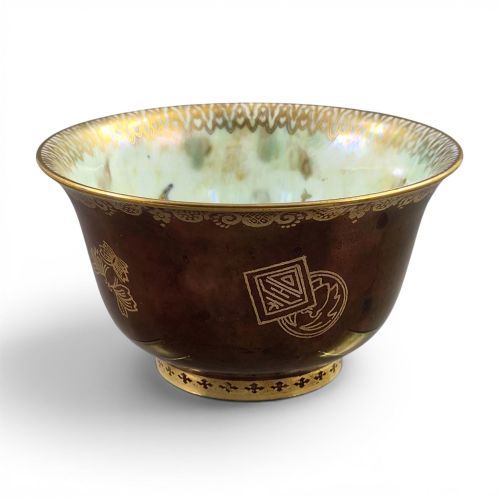
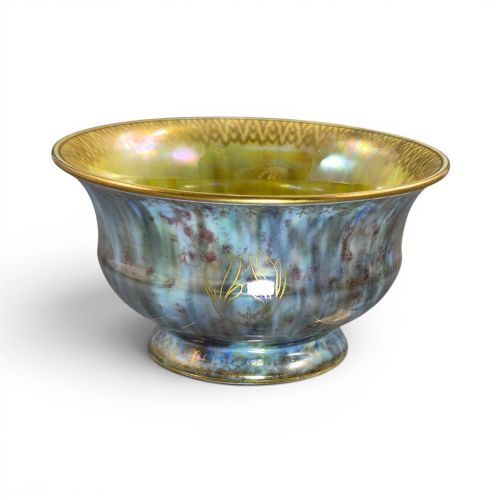
The richness and depth of the lustre glaze finish distinguish finer examples from standard production. Control over metallic iridescence and the placement of gold gilt accents determine the visual impact of the surface.
Wedgwood Decorative Bowl Retail Price Guide 2026
Typical asking prices for wedgwood decorative bowl among the pieces listed under this phrase on Sellingantiques today, from the lower quarter to the upper quarter. They describe what is for sale here now, not the wider market.
Some dragons coiled across these bowls sport surprisingly friendly expressions despite their mythical status.
Daisy Makeig Jones·James Hodgkiss
The Wedgwood Decorative Bowl Glossary
- Lustre Glaze
- A ceramic finish containing metallic salts that produce an iridescent, pearlescent sheen upon firing. This technique creates the signature glowing surface seen on many period vessels.
- Bone China
- A type of soft-paste porcelain incorporating animal bone ash for strength and translucency. It provides a bright white foundation for vibrant enamel colours.
- Octagonal
- Having eight sides and eight angles in the geometric profile of the vessel. This shape requires precise moulding compared to standard round bowls.
- Gilt
- A thin layer of gold applied to the surface of the ceramic for decoration. It highlights raised elements and frames the central imagery.
Wedgwood Decorative Bowl: Frequently Asked Questions
What are wedgwood decorative bowls made of?
These vessels are produced using porcelain and bone china bodies that provide a durable white base for painting. Potters then apply specialised chemical glazes to achieve the characteristic glossy finish.
Metallic elements and gold leaf are frequently integrated into the surface decoration to enhance the visual depth of the patterns.
How do I identify an Edwardian lustre bowl?
Look for characteristic design elements from the 1910 and 1920 periods, such as Art Nouveau or Art Deco stylistic influences. The presence of iridescent glazes combined with mythical creatures often points to this era.
Examining the specific pattern number and base markings helps confirm the production timeframe of the piece.
Where should I display a decorative bowl?
These bowls suit prominent placement on solid surfaces where light can catch the iridescent lustre glaze and metallic details. Cabinets, sideboards, and mantels provide stable settings for viewing the intricate painted scenes.
Keep pieces away from direct, harsh sunlight to protect the integrity of the enamel colours over time.
What themes appear on these bowls?
Common subjects include fantastic narratives, dragons, phoenixes, and butterfly motifs arranged across complex background fields. These designs draw heavily on imaginative and folkloric imagery typical of early twentieth-century studio output.
Geometric borders often frame these central illustrations, particularly on octagonal vessel shapes.