

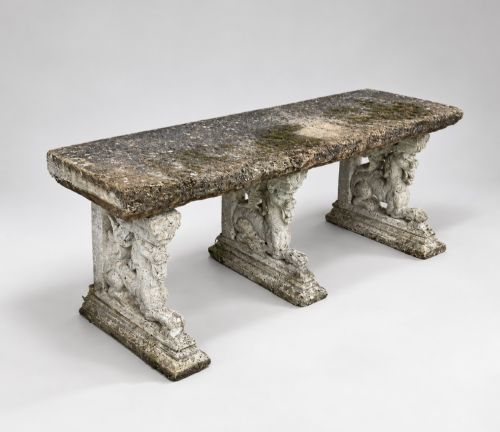
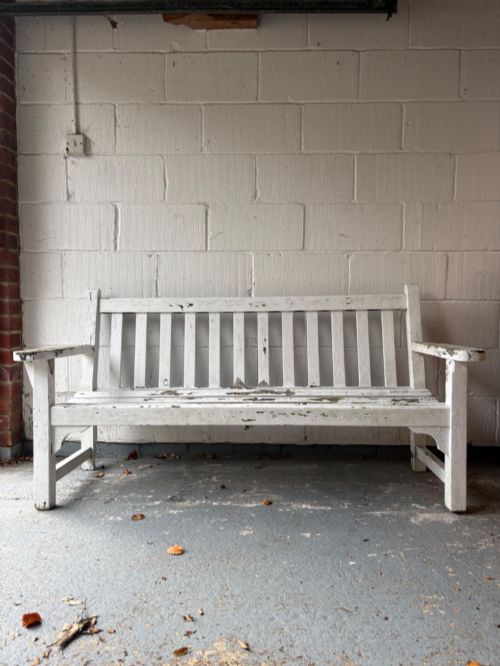
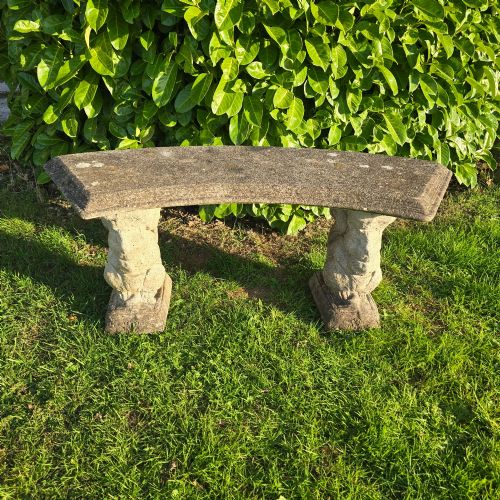
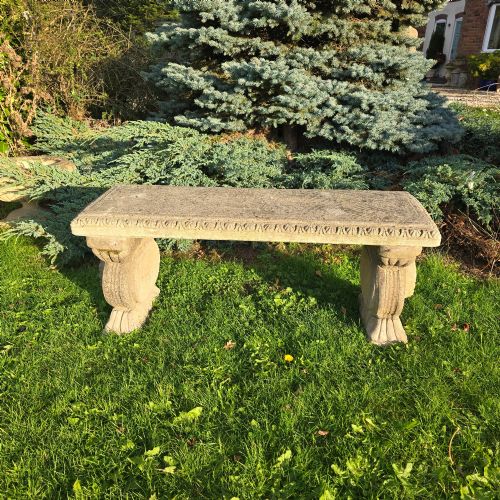

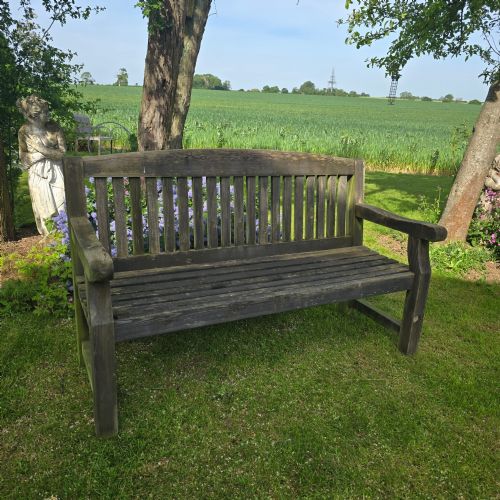
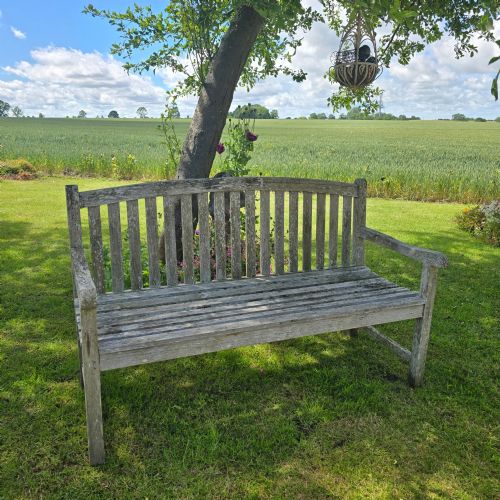

Weathered Garden Bench
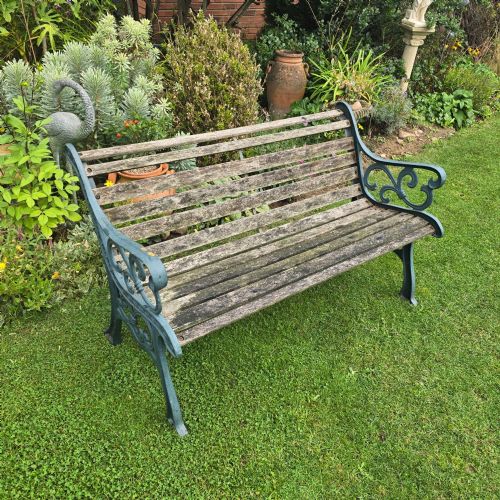
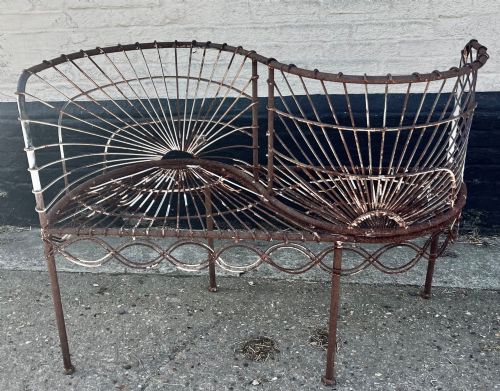
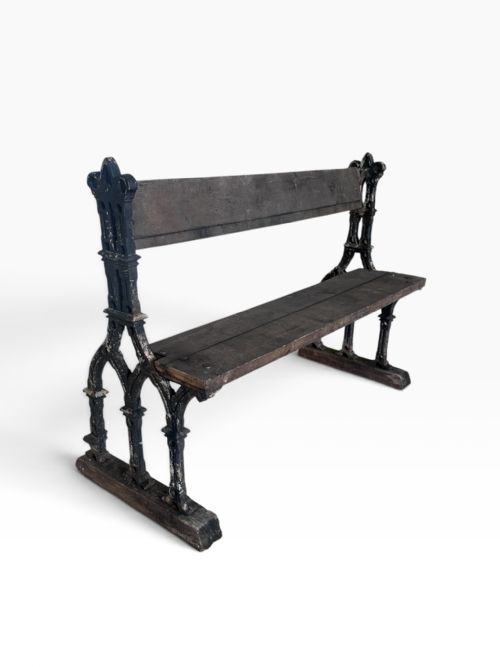
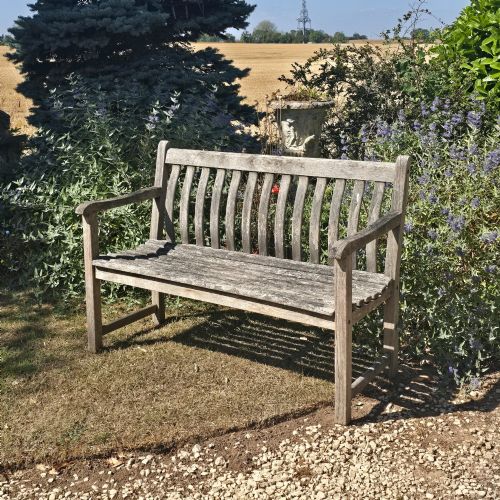
These weathered garden bench examples combine heavy ironwork and silvered timber to create timeless exterior seating.
Weathered Garden Bench
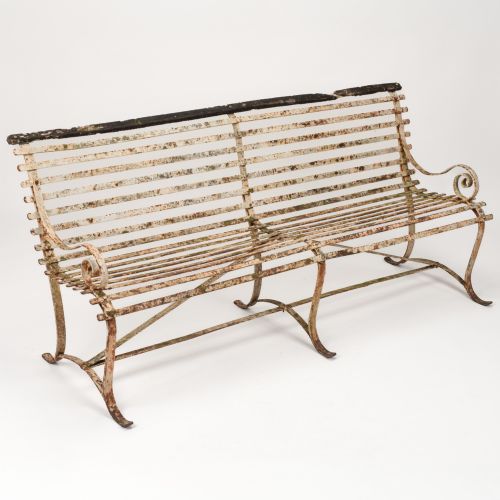
A weathered garden bench provides sturdy outdoor seating shaped by decades of exposure to the elements. When searching for a weathered garden bench, collectors encounter sturdy cast iron frames, intricate strapwork, and silvered timbers.
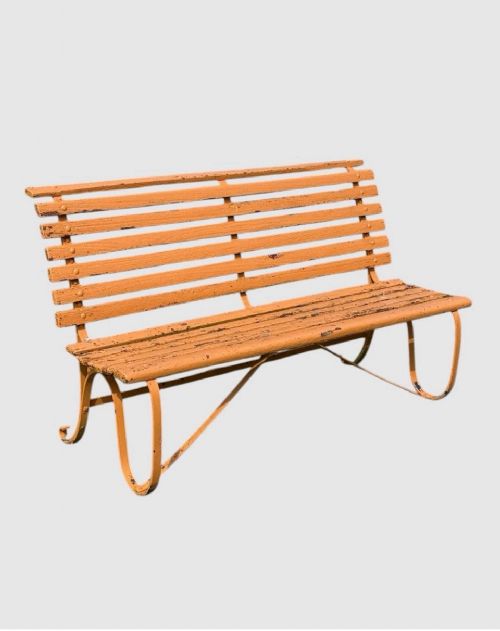
The selections span from the nineteenth century into the twentieth century, encompassing Victorian gothic designs, Regency styles, and English country pieces. Many examples utilise traditional slatted construction paired with robust metal supports.
Buyers frequently meet pieces fashioned from teak, oak, and painted wood alongside robust cast iron garden seats and conversation benches. These forms serve practical purposes in patios, parks, and conservatories alike.
How they were made
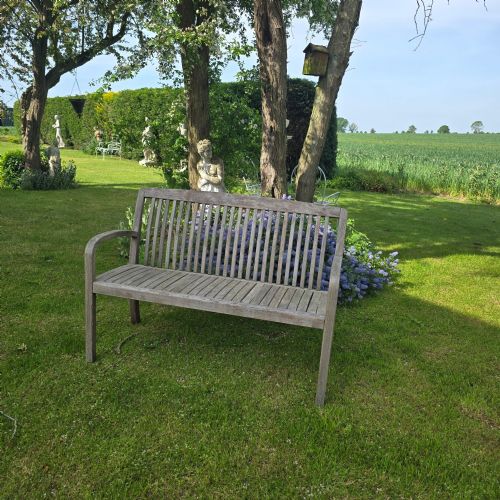
Makers utilised durable hardwoods such as teak and oak for slats and seats, allowing the timber to weather gracefully outdoors. Metal components rely heavily on cast iron and wrought iron, frequently shaped into strapwork and scroll designs.
Surfaces often display layers of original paint or natural silvered patination achieved through weathering. Construction techniques combine sturdy wooden slats with bolted or riveted iron frameworks designed to withstand constant exterior use.
Weathered Garden Bench Retail Price Guide 2026
Typical asking prices for weathered garden bench among the pieces listed under this phrase on Sellingantiques today, from the lower quarter to the upper quarter. They describe what is for sale here now, not the wider market.
Listings feature periods spanning from Regency and Victorian eras through to the 1940s, utilising teak, oak, cast iron, and wrought iron.
What varies in quality
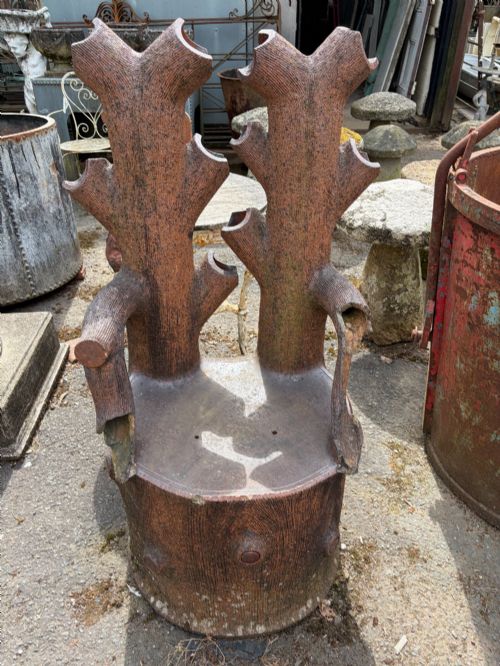
Quality rests in the crispness of the iron casting and the structural integrity of the timber framing. Finer examples display ornate Victorian gothic detailing, careful strapwork, and unusual forms such as tree benches or faux bois designs.
The depth of the silvered patination on the teak and the survival of original paint layers on the ironwork distinguish superior pieces from standard utilitarian seating.
The Weathered Garden Bench Glossary
- Cast iron
- A strong, heavy material poured into moulds to create decorative bench ends and ornate frames. It defines many traditional nineteenth-century garden seats.
- Wrought iron
- Iron beaten and forged into shapes by hand, commonly utilised for strapwork and scroll benches. This material yields lighter, more linear structural elements than cast iron.
- Strapwork
- Flat bands of metal interwoven or applied in geometric patterns to form the backrest or seat of a bench. It appears frequently on Regency and Victorian ironwork.
- Faux bois
- An artistic technique mimicking the appearance of natural wood grain on concrete, metal, or alternative surfaces. Victorian examples bring a whimsical rustic element to outdoor seating.
- Silvered teak
- Hardwood timber that has weathered to a silvery-grey tone through prolonged exposure to sunlight and rain. It indicates considerable age and durable material quality.
Weathered Garden Bench: Frequently Asked Questions
How do I care for a weathered wooden bench?
Teak and oak benches require minimal intervention because their natural oils resist decay when left outdoors. Cleaning the surface gently with water removes debris without disturbing the silvered patination.
Storing pieces undercover during harsh winter months helps preserve the structural joints. Treating the timber with oils is generally unnecessary if the historic weathered finish is desired.
Can cast iron garden benches stay outside all year?
Cast iron is exceptionally durable and withstands rain, wind, and frost throughout the changing seasons. The substantial weight prevents the seating from shifting during severe weather.
Inspecting the painted or bare metal surfaces periodically prevents rust accumulation. Protecting the feet from standing water prolongs the lifespan of the iron frame.
What is the difference between Victorian and Regency garden benches?
Regency garden benches often feature linear wrought iron strapwork and restrained classical proportions. These pieces emphasise geometric arrangements and lighter framing structures.
Victorian designs tend towards heavier cast iron ornamentation, including gothic motifs and ornate scrollwork. They also introduce rustic interpretations such as faux bois finishes and tree seats.
Where should I place a heavy iron bench?
Positioning these substantial seats on level stone patios or paved garden paths prevents the iron legs from sinking into soft soil. Placing them against garden walls or under trees creates a natural focal point in the landscape.
Ensuring stable ground contact protects both the timber slats and the metal feet from moisture damage. Good placement also highlights the decorative silhouette of the ironwork against foliage.