


Waterfall Bag Chandelier
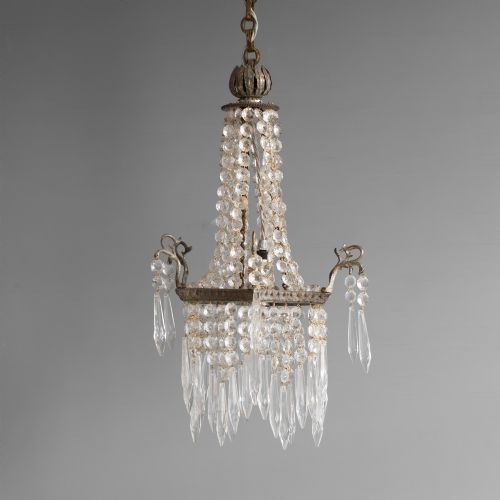
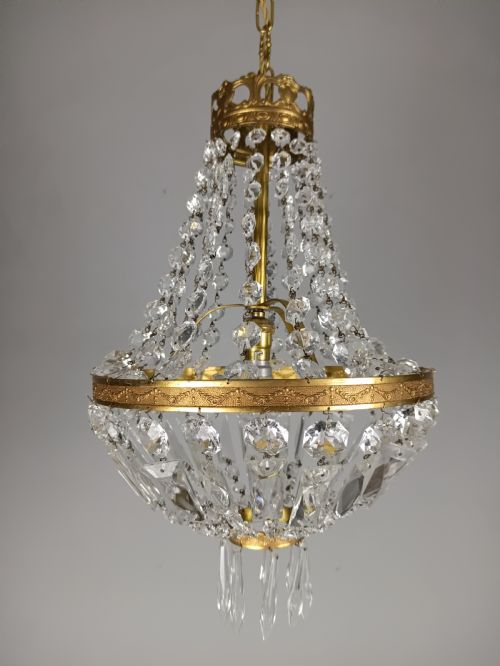
A waterfall bag chandelier brings layered crystal and downward illumination into a room, combining a gathered upper tent with a cascading lower section.
Waterfall Bag Chandelier
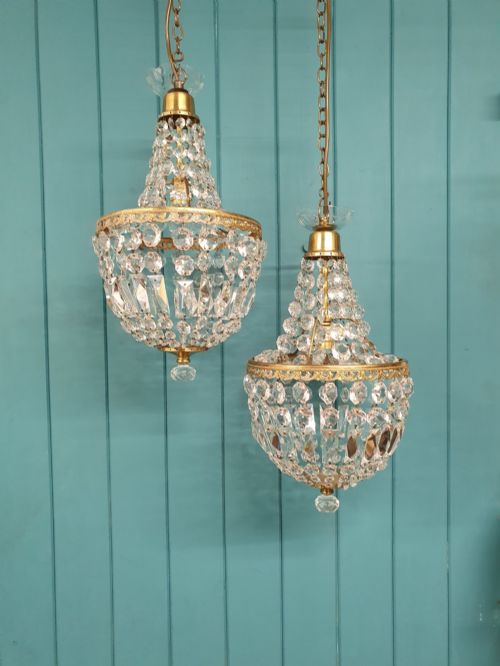
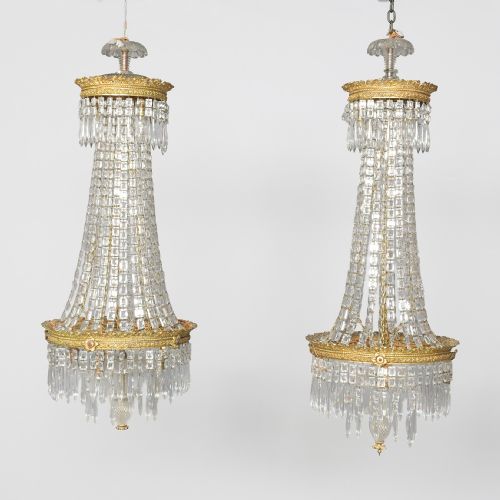
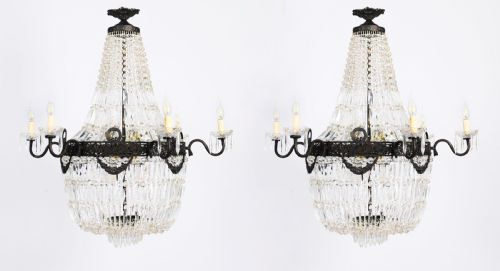
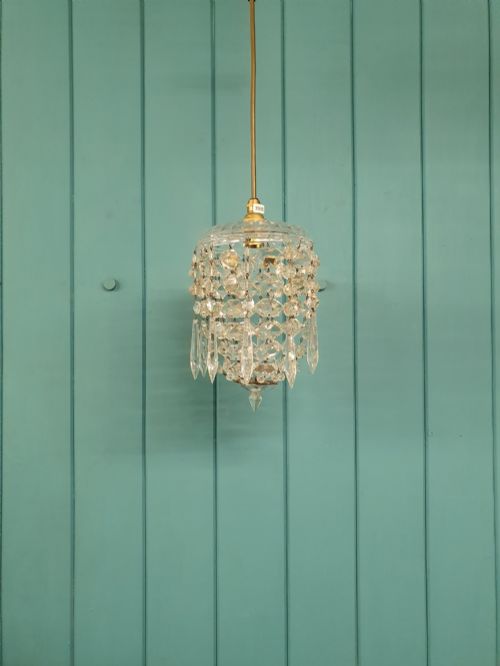
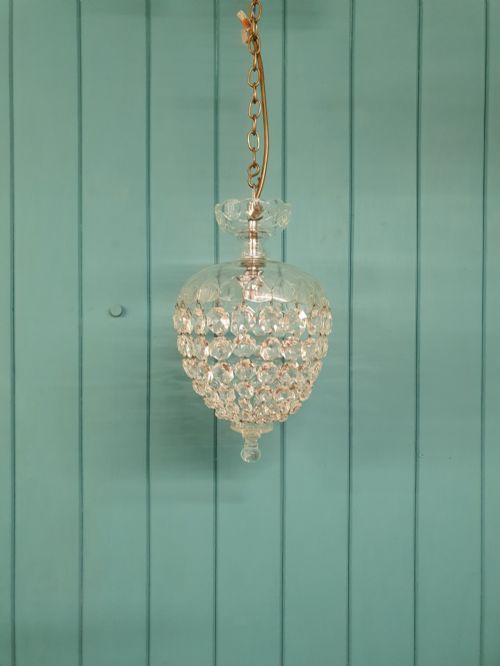
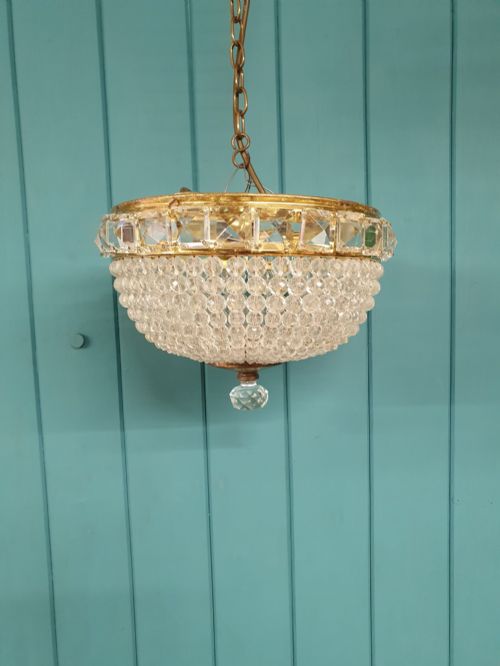
A waterfall bag chandelier combines an upper tent of strands with a gathered bag or basket section below, creating a distinct cascading silhouette. When searching for a waterfall bag chandelier, buyers encounter examples ranging from compact Edwardian fixtures to large ballroom pieces spanning the nineteenth and early twentieth centuries.
The selection includes French Empire, Louis Revival, and Regency styles alongside English examples. Most pieces on this page originate from the Edwardian era and the 1930s, featuring brass or bronze mounts and various forms of cut glass and crystal.
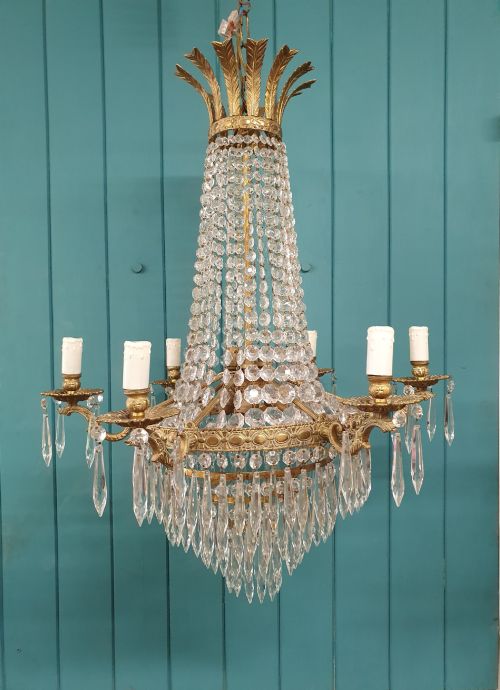
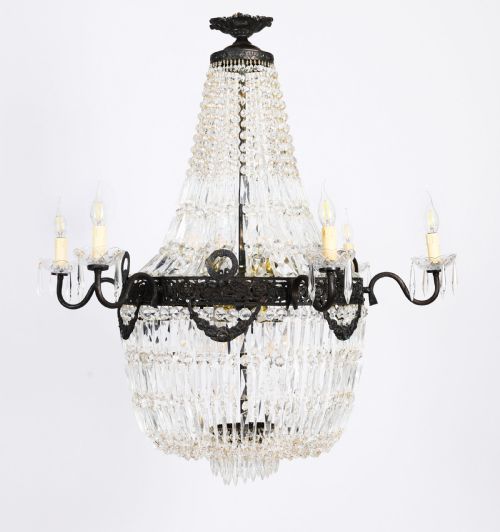
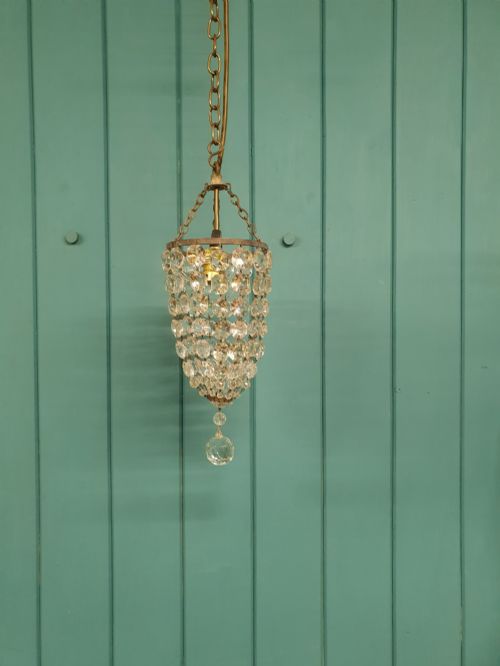
Forms vary from simple dome tops and tapered bag shapes to elaborate multi-light ballroom fixtures with leaf decoration or cherubs. Smaller examples measure a modest few inches, while larger ballroom fixtures extend across fourteen or sixteen lights.
Materials and construction
Makers constructed these chandeliers using brass, bronze, and metal frames to support intricate arrangements of glass and crystal. Individual drops, prisms, and beads are wired together to form the upper tents and lower bags.
Cut glass and crystal elements provide the characteristic refraction, suspended from metal mounts that range from simple brass rings to ornate gilded bronze frameworks. Structural components include ceiling lighting elements designed to hold multiple candle arms or internal bulbs.
Some Edwardian swags finish with unexpected cherubs and sharp spikes.
Assessing craftsmanship and execution
Quality reveals itself in the precision of the cut glass and the heft of the bronze or brass mounts. Finer examples display crisper faceting on the crystal drops and more substantial metalwork supporting the tiers.
The complexity of the brass or gilded bronze mounts distinguishes standard production from grander pieces. Superior casting and intricate detailing on elements like leaf decoration or cherubs elevate the overall presence of the fixture.
Wedgwood
The Waterfall Bag Chandelier Glossary
- Tent and bag chandelier
- A lighting fixture featuring an upper conical canopy of strung crystals connected to a gathered lower bag of glass drops. This configuration defines the classic waterfall profile.
- Cut glass
- Glass shaped by grinding and polishing facets into the surface to increase light refraction. These faceted elements form the cascading strands and pendants.
- Louis Revival
- A stylistic movement drawing inspiration from seventeenth and eighteenth-century French royal aesthetics. Pieces in this style often incorporate ornate bronze framing and elaborate crystal arrangements.
- French Empire
- A neoclassical style characterised by symmetry, military motifs, and classical restraint. Chandeliers from this tradition utilise disciplined geometry alongside rich bronze and crystal components.
Waterfall Bag Chandelier: Frequently Asked Questions
How do I hang a waterfall bag chandelier?
Suspension requires a secure ceiling hook rated for the combined weight of the metal frame and glass components. Professional installation ensures the electrical wiring safely supports multi-light fixtures.
Height placement depends on room proportions and clearance requirements beneath the lowest crystal drop. Centring the fixture over a table or in an open space maximises its visual impact.
What periods do these chandeliers come from?
The selection spans from the eighteenth century through the nineteenth century and into the Edwardian period and 1930s. Edwardian and 1930s pieces appear frequently alongside nineteenth-century French examples.
Stylistic revivals like Louis Revival and French Empire influence manufacture across multiple decades. Dating relies on metal characteristics, mounting styles, and the specific cut of the glass.
How do I clean a crystal chandelier?
Cleaning involves wiping individual crystal drops with a mild cleaning solution while the fixture remains supported. Care prevents stress on the delicate wire connections holding the strands together.
Allowing components to dry thoroughly restores their reflective properties before illumination. Regular dusting preserves the clarity of the cut glass and metal mounts.
Where should I place this chandelier?
These fixtures suit hallways, dining rooms, and reception spaces where vertical drop and downward illumination create a focal point. Compact examples fit modest ceiling heights, while ballroom proportions require substantial rooms.
Matching the chandelier style to the surrounding interior enhances period character. The cascading design complements both traditional rooms and eclectic modern settings.