


Watercolour Painting River
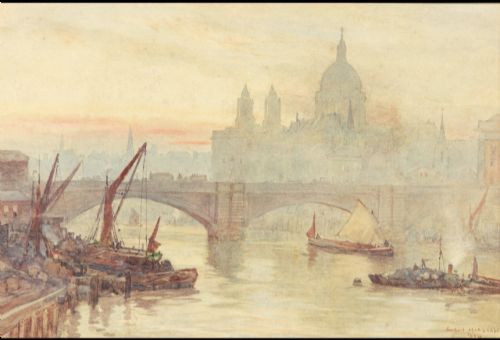
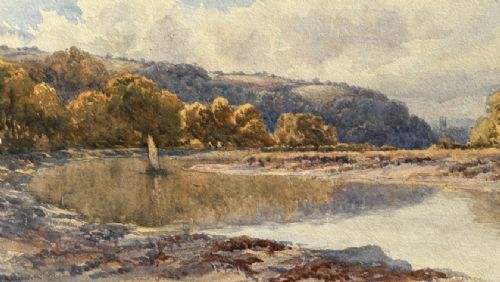
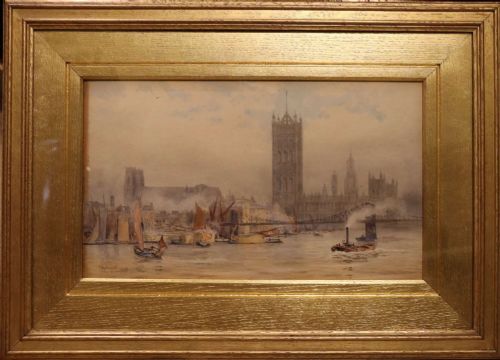
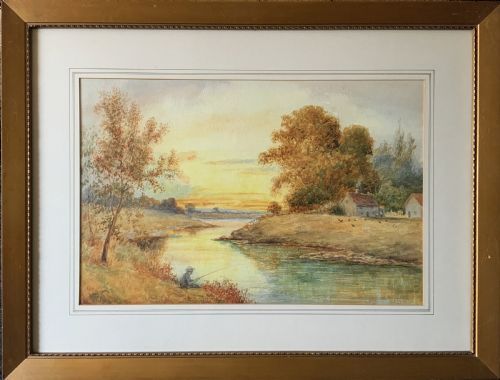
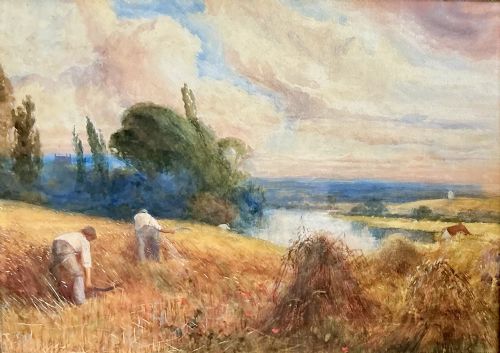
A watercolour painting river scene captures the changing light across British waterways through historic topographical views.
Watercolour Painting River
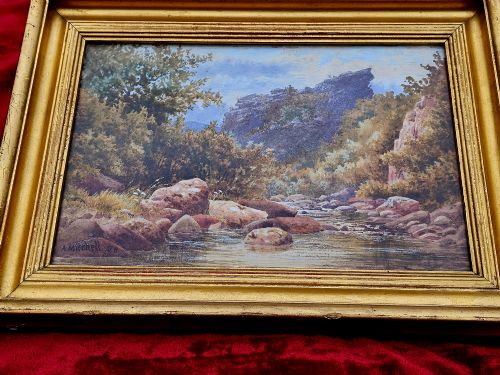
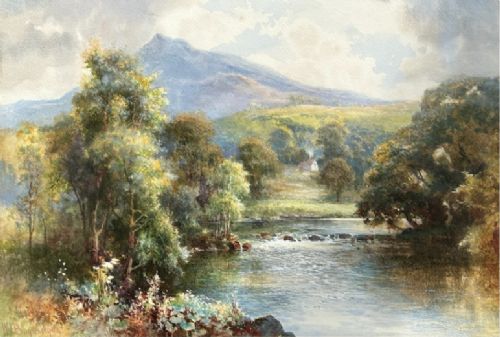
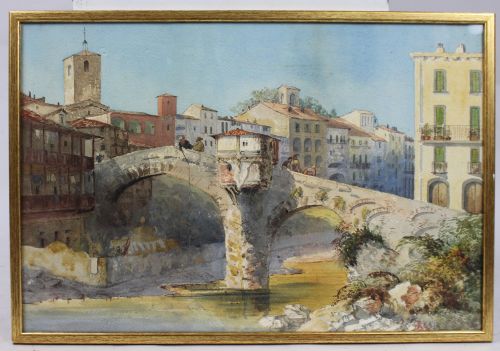
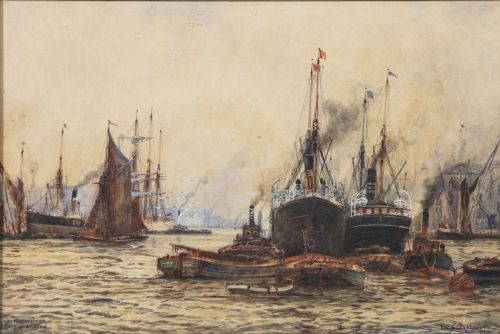
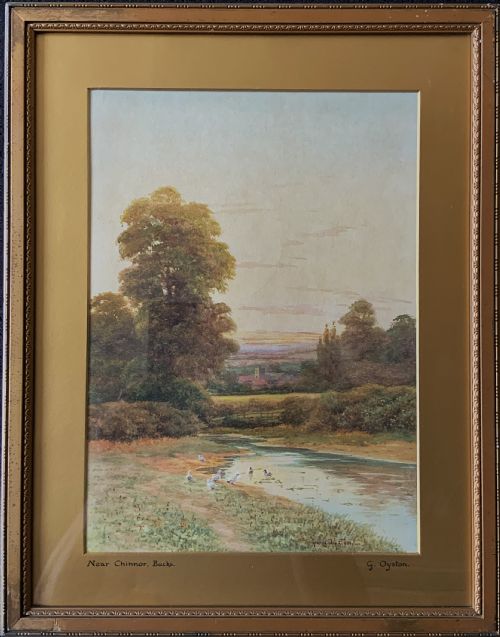
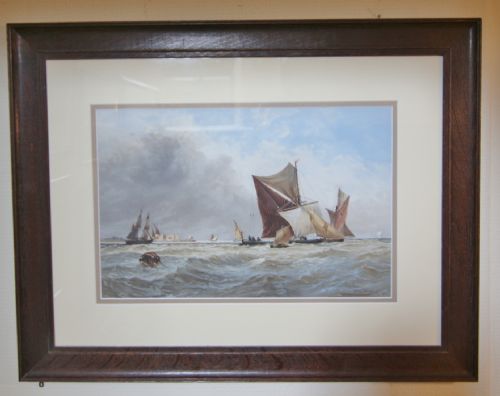
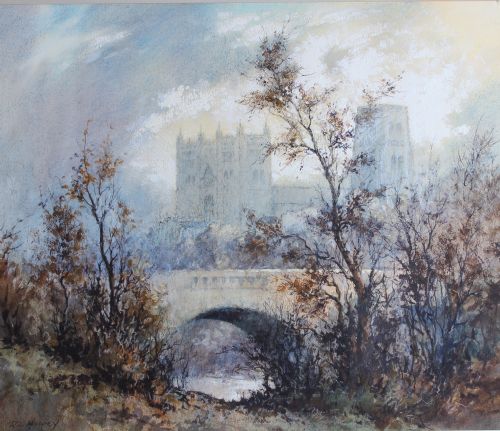
A watercolour painting river piece captures historic British and European waterways, spanning pastoral scenes to busy commercial ports. Buyers will find nineteenth-century and early twentieth-century examples depicting familiar rivers like the Thames, the Ouse, and Welsh valleys.
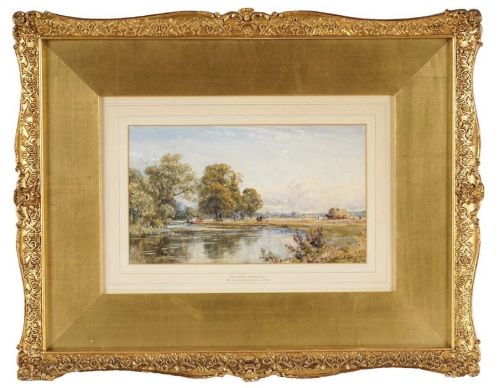
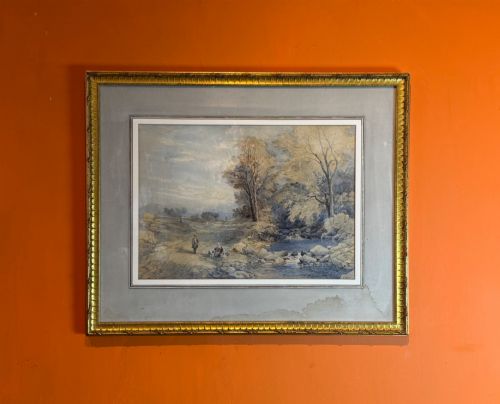
These works range from small, intimate landscape studies to large-scale gallery watercolours produced by members of royal societies and provincial academies. Most examples record topographical views, shipping, or pastoral life by the water edge.
How they were made
Artists painted primarily with water-soluble pigments onto heavy textured paper or card, sometimes utilising gum arabic to deepen shadow tones and highlight water reflections. Many works incorporate delicate pencil underdrawing beneath transparent washes.
Framing typically involves period gilt wood mouldings combined with protective glass sheets that preserve the delicate water-soluble pigments from atmospheric moisture.
Listings feature nineteenth-century and early twentieth-century British landscapes executed on paper using watercolour pigment.
What varies in quality
Quality rests upon the artist's brushwork confidence and their ability to capture moving water, atmospheric depth, and shifting natural light. Stronger compositions demonstrate deft control over wet-in-wet pigment blending and crisp architectural detail.
Provenance and exhibition history elevate certain works, particularly those bearing signatures of recognised nineteenth-century institutional members or royal academy exhibitors.
H. Medlycott·Frank William Scrabrough·Robert Thorne Waite·George Oyston·David Cox·John Syer·Stuart Lloyd
The Watercolour Painting River Glossary
- Watercolour
- A painting method where fine pigment powders are suspended in a water-soluble binder and applied to paper.
- Gilt wood
- Carved wooden framing finished with a thin layer of gold leaf or metallic gilt coating.
- Wash
- A thin, transparent layer of diluted pigment flooded across paper to create skies or water.
Watercolour Painting River: Frequently Asked Questions
How do I date an old river watercolour?
Dating relies heavily on artist signatures, framing styles, and accompanying exhibition labels recorded on the reverse. Costume details of figures depicted along the banks also offer reliable clues to the era.
Paper watermarks can occasionally confirm the precise decade of manufacture when visible through the backing board.
Where should I hang a antique watercolour?
Watercolours require careful placement away from direct sunlight to prevent the pigments from fading permanently over time. Interior walls with stable humidity levels protect both the historic paper and the original gilt wood frame.
Keep them clear of kitchens and damp spaces to avoid foxing spots forming on the paper surface.
What is the difference between Victorian and Edwardian watercolours?
Victorian watercolours often embrace dramatic narrative elements, moody skies, and detailed pastoral storytelling with cattle or shipping vessels. Edwardian works frequently shift towards brighter palettes and looser impressionistic brushwork.
Both periods celebrated British waterways but executed them with distinct tonal philosophies.
Are these paintings original artworks?
Every piece listed in this category represents a unique, hand-painted original work executed directly onto paper by the named artist. They are not mass-produced prints or mechanical reproductions.
Brush textures and pigment pooling remain visible under close inspection.