



Watercolor Ivory Miniature
These watercolor ivory miniature works capture likenesses in exquisite detail, offering collectors intimate portraits from the eighteenth and early nineteenth centuries.
Watercolor Ivory Miniature
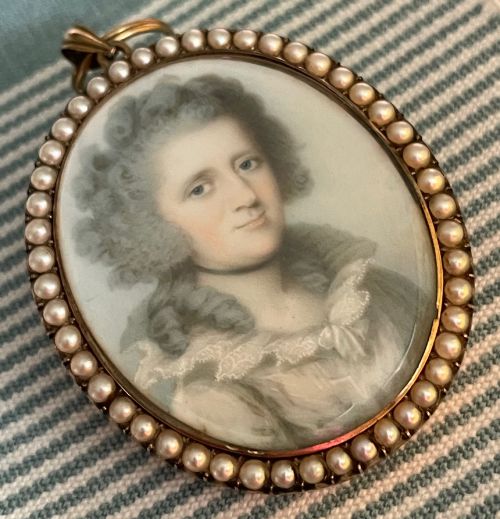
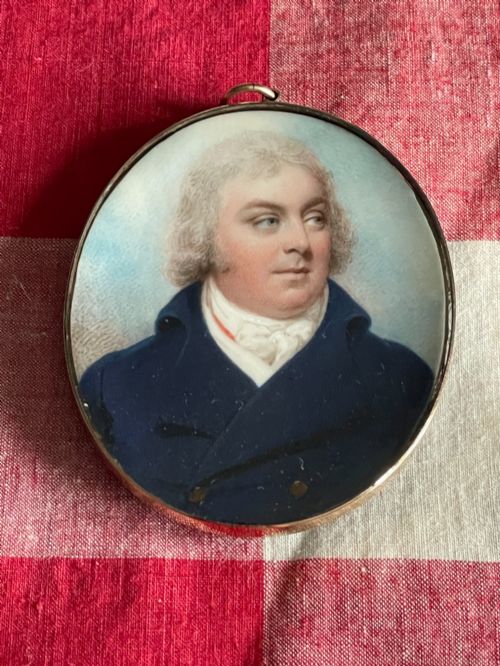
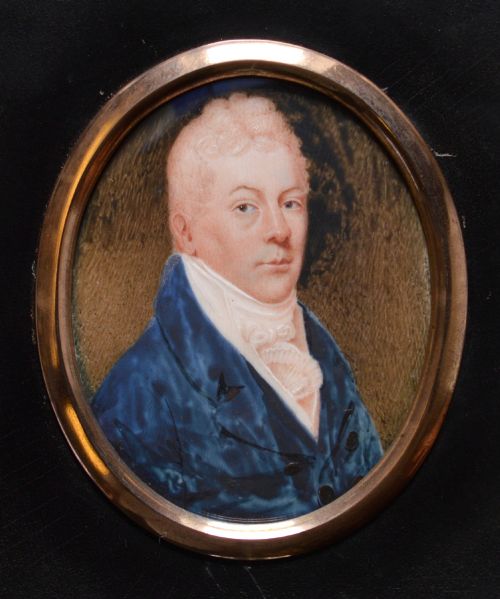
When you search for a watercolor ivory miniature, you encounter portrait miniatures depicting gentlemen, ladies, children, and officers. These pieces date from periods such as the eighteenth century, Georgian era, and Regency period.
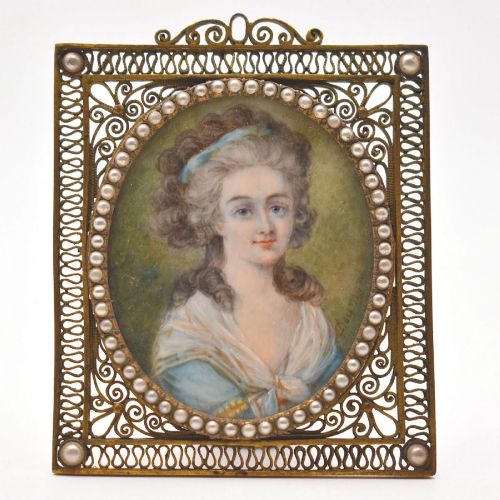
The objects take the form of miniature paintings and portrait miniatures framed in brass, gold, gilt metal, and ebonised wood, often protected behind glass. French Rococo and Grand Regency styles appear alongside British works.
You are most likely to meet single portraits of subjects painted with delicate pigments on a thin slice of ivory, reflecting the portraiture conventions of Georgian and Regency society.
How they were made
Artists painted these works using watercolour pigments applied directly onto thin sheets of ivory. The natural luminosity of the ivory ground shines through the translucent watercolours to create lifelike flesh tones.
Completed paintings were set behind protective glass and housed in frames fashioned from gold, brass, or gilt metal. Some pieces feature ebonised wood surrounds, seed pearls, or specialised mountings.
Watercolor Ivory Miniature Retail Price Guide 2026
Typical asking prices for watercolor ivory miniature among the pieces listed under this phrase on Sellingantiques today, from the lower quarter to the upper quarter. They describe what is for sale here now, not the wider market.
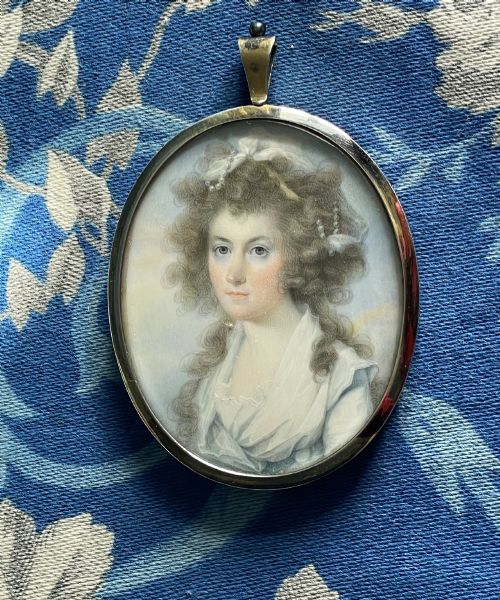
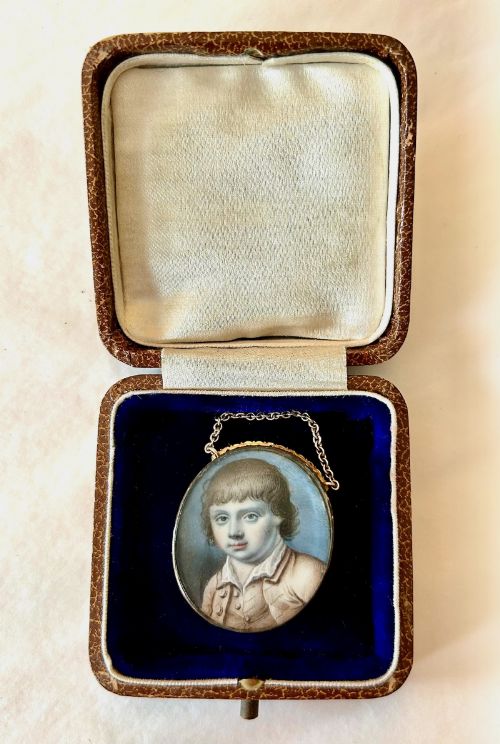
Young boys and ladies with elaborate ringlets peer out from these tiny frames, immortalised in blue gowns and wide sashes.
What varies in quality
The quality of the surrounding frame, whether solid gold, gilt metal, or polished ebonised wood, matches the importance of the portrait within. Preserved glass and intact seed pearl adornments also distinguish superior examples.
William Wood·John Donaldson·Charles Hayter·Frederick Buck·George Engleheart·Archibald Skirving·Henry Jacob Burch·Nicolas Freese·Edward Pugh·Samuel Cotes·Jeremiah Steele
The Watercolor Ivory Miniature Glossary
- Watercolour on Ivory
- A painting technique utilising water-soluble pigments applied to a prepared ivory slip. This substrate provides a luminous base that enhances the realism of skin tones.
- Portrait Miniature
- A small-scale painting depicting a specific person, usually executed during the eighteenth or nineteenth centuries. These portable artworks were often kept in private settings or worn as jewellery.
- Ebonised Wood
- Timber treated to resemble expensive ebony wood, commonly used for dark framing. It provides a stark, contrasting border that highlights the delicate colours of the miniature.
- Gilt Metal
- Metal treated with a gold-coloured finish or plating to simulate solid gold frames. This material was widely utilised for housing portable portraits during the Georgian and Regency eras.
Watercolor Ivory Miniature: Frequently Asked Questions
How were these miniature portraits displayed?
Owners kept these intimate paintings in pocket cases, placed them on desks, or hung them in private rooms. Their portable nature allowed sitters to travel with likenesses of family members.
Many examples feature hanging loops or backing rings designed for wearing as personal ornaments or lockets close to the heart.
What periods do these miniatures come from?
The listings consist primarily of works created during the eighteenth century, the Georgian era, and the Regency period. Dates span from the 1770s through the early nineteenth century around 1820.
Stylistic shifts move from formal eighteenth-century attire towards the softer curls and Regency fashions seen in works from the 1800s.
How do you identify the materials used?
Close inspection reveals the distinctive grain and pale tone of the ivory substrate beneath translucent watercolour washes. Protective glass covers the painted surface to prevent moisture damage.
Frames incorporate metals such as gold and brass, alongside ebonised wood surrounds and occasional seed pearl decorations.
Who are the subjects in these portraits?
Identified sitters include military officers, aristocratic figures such as Viscountess Gormanston and Lady Godolphin, and various ladies and gentlemen of the period. Family groupings also appear.
Unidentified subjects frequently wear the distinctive blue gowns, white dresses, or wide sashes characteristic of Georgian and Regency fashion.