



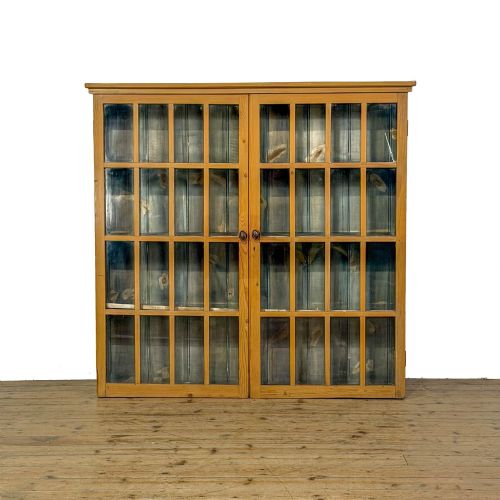
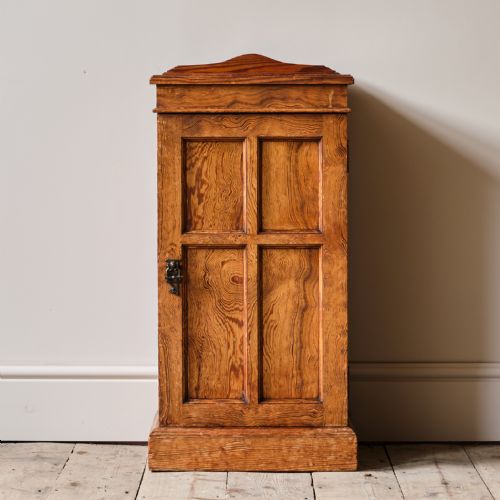
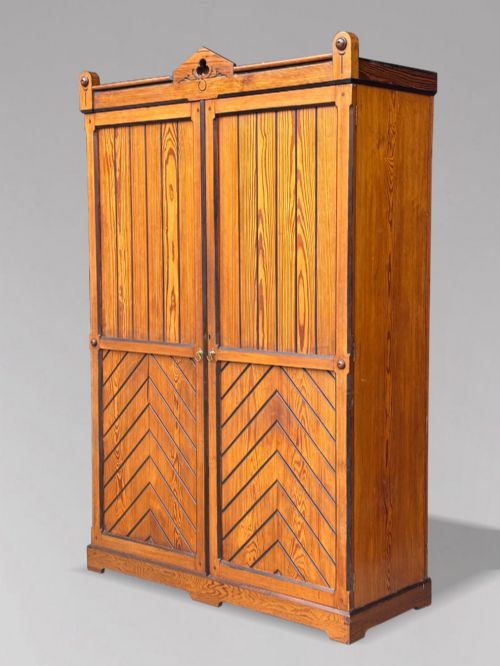
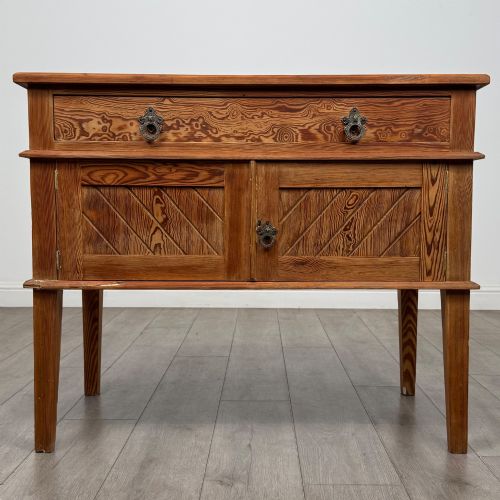
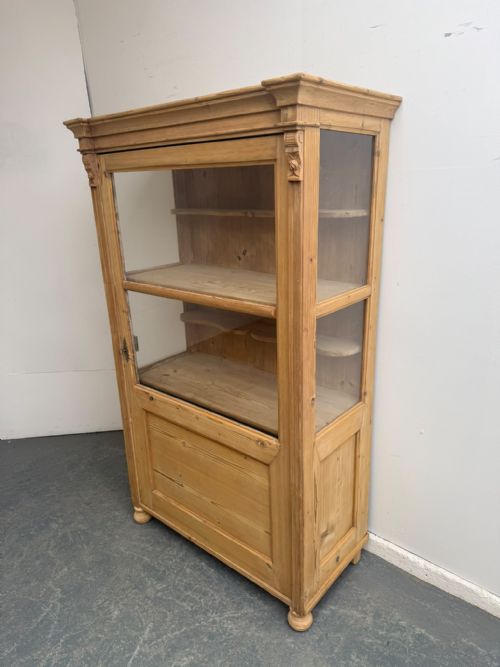
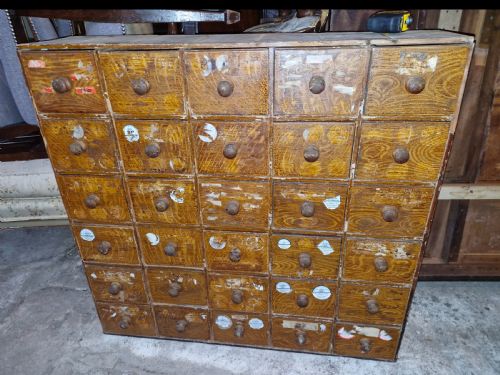


Warm Pine Cabinet
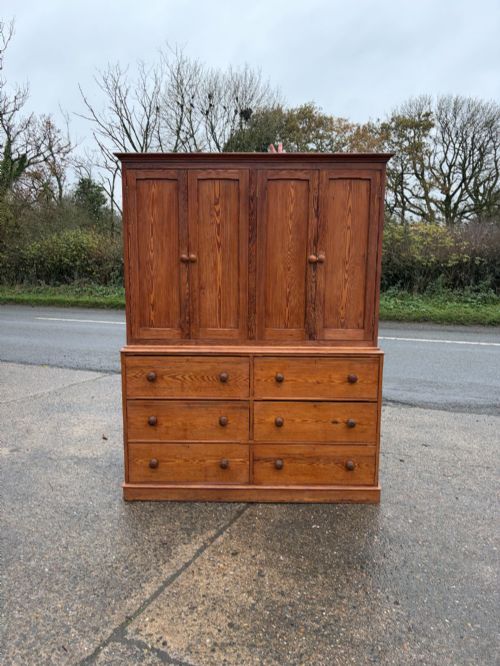
A warm pine cabinet brings honest timber and dependable storage into a room, shaped by hands across the nineteenth century and the Edwardian era.
Warm Pine Cabinet
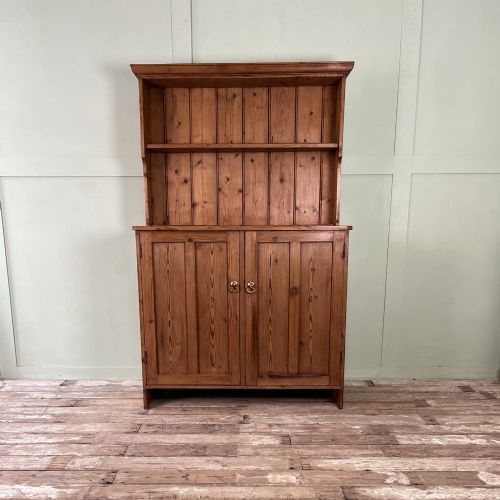
A warm pine cabinet encompasses a practical range of storage forms, from nineteenth-century kitchen cupboards and bedside pot cupboards to glazed display units and extensive bookcases. Buyers searching for a warm pine cabinet encounter diverse regional interpretations, including Scottish, Welsh, French, Swedish, and Hungarian pieces that each display distinct local vernacular traditions.
Most examples date from the Victorian period or around eighteen-ninety, constructed in standard pine, pitch pine, or Oregon pine. These pieces serve domestic utility reliably while offering tactile timber surfaces that suit various interior schemes from rustic country to Arts and Crafts.
How they were made
Cabinet makers utilised solid pine and pitch pine boards, jointed carefully to build sturdy carcasses for cupboards, chests of drawers, and dressers. Surfaces were often finished with wax or paint, whilst hardware typically incorporated functional brass, iron, or ceramic elements.
Specialised items such as campaign chests and apothecary boxes required robust framing to withstand travel and daily handling, employing dense woods and durable fittings.
Warm Pine Cabinet Retail Price Guide 2026
Typical asking prices for warm pine cabinet among the pieces listed under this phrase on Sellingantiques today, from the lower quarter to the upper quarter. They describe what is for sale here now, not the wider market.
Object forms range from miniature chests of drawers and bedside cabinets to large campaign chests and library bookcases.
What varies in quality
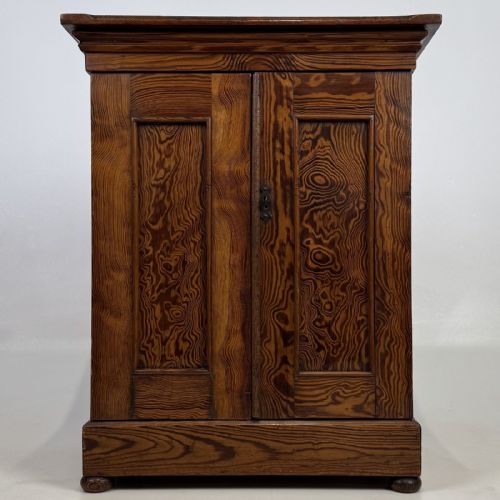
Quality rests in the selection of the timber, where dense pitch pine with strong figuring elevates a piece above standard utility furniture. Construction methods also distinguish fine workshop output from simple vernacular carpentry, evident in well-fitted drawers and original hardware.
The integrity of the surface finish matters greatly, with period waxed patinas or authentic painted schemes holding more distinction than later modifications or heavy sanding.
J.T.Crockett
The Warm Pine Cabinet Glossary
- Pitch pine
- A resinous North American pine variety known for its distinctive grain pattern and durability. Cabinet makers utilised it for robust furniture throughout the nineteenth century.
- Pot cupboard
- A small bedside cabinet designed originally to house a chamber pot. These compact units typically feature a single door and sometimes an internal shelf.
- Buffet deux corps
- A large two-part storage piece of French origin comprising a lower cupboard section surmounted by an upper cabinet. It offers substantial display and enclosed storage capacity.
- Campaign chest
- A portable set of drawers made in sections with recessed brass handles for military transport. European examples demonstrate clever modular construction.
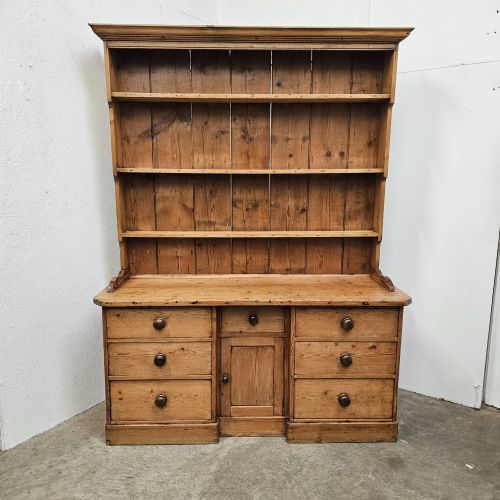
- Dresser base
- The lower section of a kitchen or dining room dresser featuring drawers and cupboards. These open-topped units provided essential workspace and storage in country homes.
Warm Pine Cabinet: Frequently Asked Questions
What periods do these cabinets cover?
The selection spans primarily the nineteenth century, including Georgian and Victorian eras, stretching into Edwardian examples around nineteen hundred.
Craftsmen built these pieces during periods when regional workshops flourished across Britain and continental Europe.
How were bedside cupboards used?
Bedside cupboards served as private bedroom storage for personal items and chamber pots during the Victorian age.
Their compact footprints allowed them to fit neatly beside period bed frames while concealing everyday necessities behind closed doors.
What is pitch pine?
Pitch pine is a heavy, durable timber featuring prominent growth rings and high resin content. Makers valued it for structural strength and striking grain visibility.
Cabinets built from this material often display a warm, deep amber tone when waxed over generations.
Are painted finishes period correct?
Many regional pieces, particularly Scandinavian and British country furniture, utilised painted finishes originally to protect and decorate softwoods.
Applied paint historically ranged from simple lead colours to simulated wood graining on smaller chests of drawers.