
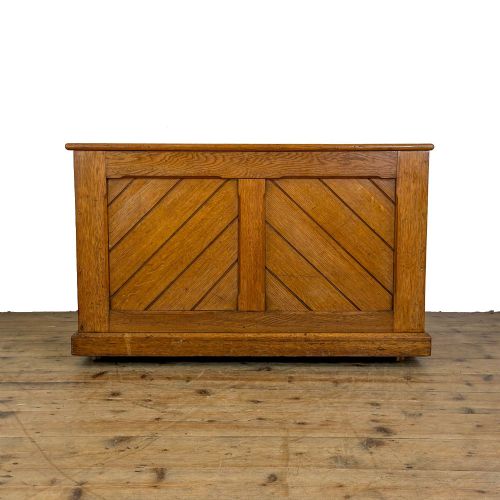


Warm Brown Oak Box
These pieces are a warm brown oak box, solid timber containers built to store valuables, linen, and documents with quiet authority.
Warm Brown Oak Box
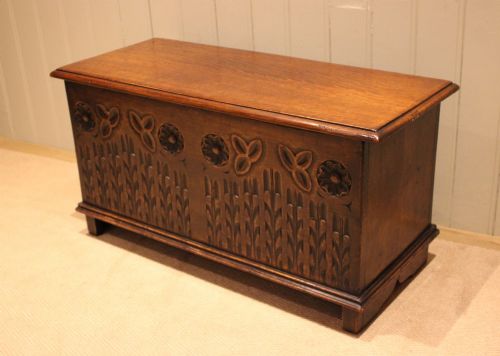
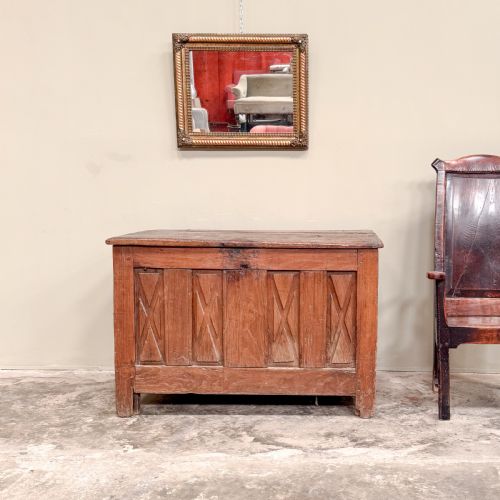
A warm brown oak box encompasses a variety of timber containers ranging from robust seventeenth-century sword chests and six-plank coffers to nineteenth-century presentation pieces and miniature Welsh dowry chests. On this page, buyers most frequently encounter storage chests, blanket boxes, and desktop boxes fashioned from solid oak.
The forms span centuries of utility, extending from provincial French coffers and Arts and Crafts storage pieces to Edwardian marine caskets and Victorian counter-top shop cabinets. Each object reflects the vernacular woodworking traditions of its origin, utilising heavy timber framing and dovetailed joints to withstand daily domestic or commercial use.
Makers adapted the fundamental warm brown oak box for diverse purposes, including doctors' bags, launch caskets, and display units. The enduring appeal lies in the tactile grain of the wood and the honest construction that bridges utilitarian storage and decorative furniture.
How they were made
Makers constructed these containers primarily from solid oak, often reinforced with brass hinges, iron straps, and corner brackets to secure the lids and heavy sides. Selected pieces incorporate wood veneer and plywood alongside secondary timbers like pine, demonstrating the evolution of cabinet-making techniques across different periods.
Surface decoration relies on traditional hand-carving, simple panel construction, and natural polishing that enhances the deep grain of the timber. Metal fittings are typically hand-beaten or cast, secured with traditional screws or handmade nails that anchor the structural joints.
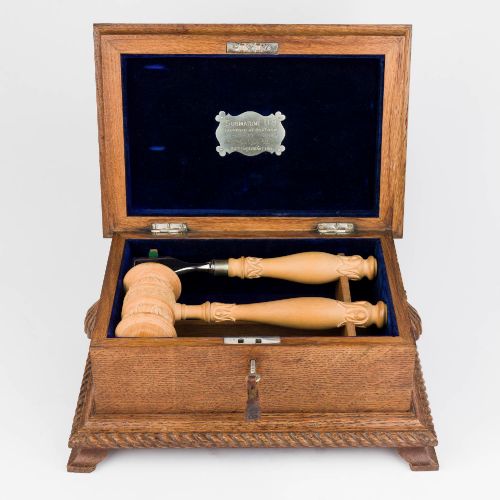
A submarine launch casket proves that even naval warfare required a solid oak home.
What varies in quality
Quality rests upon the integrity of the timber selection and the precision of the joinery, distinguishing straightforward utilitarian storage from finer decorative examples. Boxes featuring dense, quarter-sawn oak with undisturbed patination and original brass or iron hardware command greater appreciation among collectors.
The refinement of hand-carved detailing and the survival of original linings, such as interior velvet, separate standard commercial items from exceptional presentation pieces and marriage chests. Structural preservation, including untouched hinges and stable board construction, dictates the enduring standing of each piece.
Heals
The Warm Brown Oak Box Glossary
- Coffer
- A heavy wooden chest traditionally used for storing valuables, plate, or documents. These pieces often feature sturdy lid construction and iron or brass locking mechanisms.
- Six-plank coffer
- An early form of chest constructed from six principal boards joined at the edges with plain butt joints or simple dovetails. This method represents a foundational style of vernacular cabinet-making.
- Marriage chest
- A specially commissioned storage box decorated with carved initials, dates, or symbolic motifs to mark a wedding. These containers served as central repositories for domestic linen.
- Quarter-sawn
- A method of cutting oak logs radially to the growth rings to produce durable boards marked by distinctive fleck patterns. This technique minimises warping in heavy furniture.
Warm Brown Oak Box: Frequently Asked Questions
What were these boxes used for originally?
These containers served as secure storage for valuable documents, family silver, and household linens in domestic and commercial settings. Specific forms accommodated specialised contents, including maritime presentation items, medical instruments, and retail goods.
Over generations, their roles shifted from strict utility to decorative display, yet the heavy timber construction maintained their structural capacity for safekeeping items.
How do I care for an antique oak box?
Keep the timber away from direct heat sources and sudden temperature shifts to prevent the solid oak boards from splitting or warping. Apply occasional microcrystalline wax to nourish the surface and preserve the natural sheen of the wood.
Avoid commercial liquid polishes that can build up a sticky residue over the historic finish. Gentle dusting with a dry, soft cloth remains the best daily maintenance.
How can I tell the age of an oak box?
Examine the construction methods, tool marks, and hardware to determine the period of manufacture. Hand-cut dovetails, forged iron hinges, and pegged joints typically indicate earlier craftsmanship, whereas machine-sawn elements point to later production.
The colour and depth of the timber patina also develop over centuries of handling and exposure to light, offering clues to the age of the piece.
Where should I place an oak box at home?
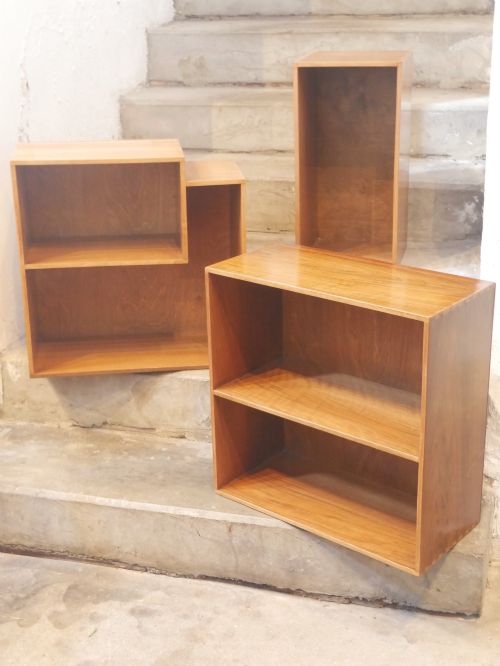
Position larger coffers and blanket boxes at the foot of a bed or beneath a window where the heavy timber can anchor a room. Smaller desktop boxes and presentation pieces sit effectively on sideboards, low tables, or open shelving units.
Ensure the placement avoids damp environments and strong sunlight to protect both the oak exterior and any interior fabric linings.