

Warm Brown Mirror
A warm brown mirror brings rich timber tones and reflective depth to a room, spanning Victorian, Edwardian, and mid-nineteenth-century origins.
Warm Brown Mirror
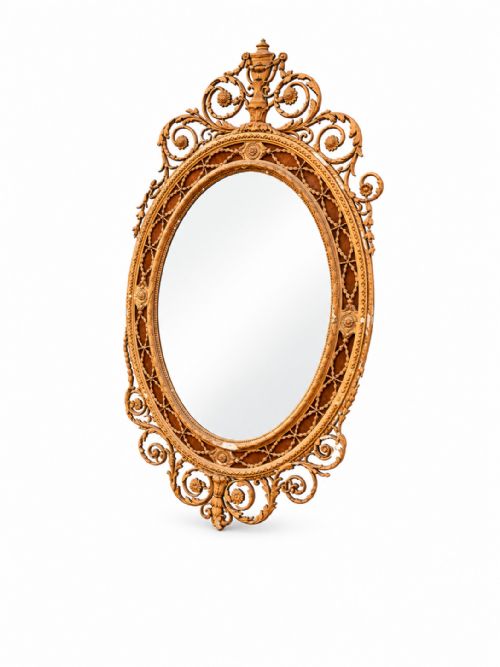
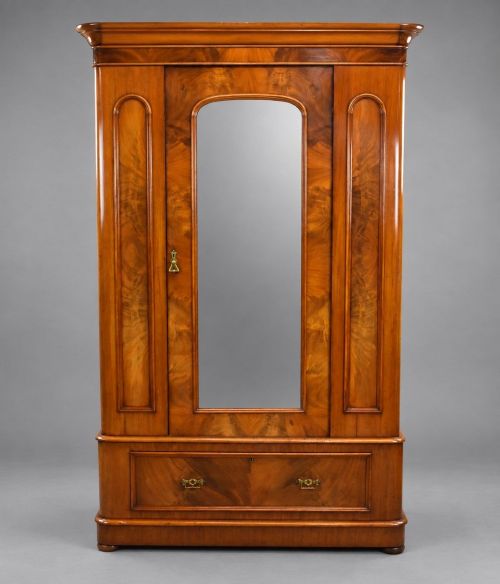
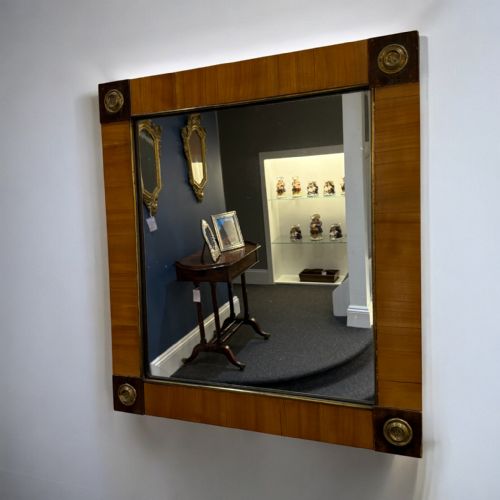
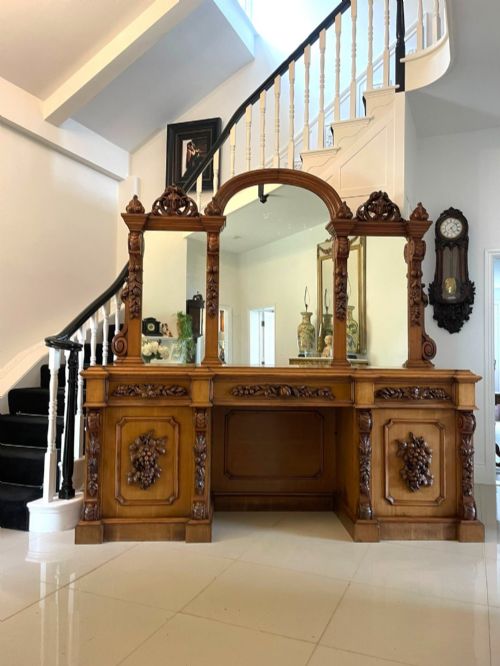
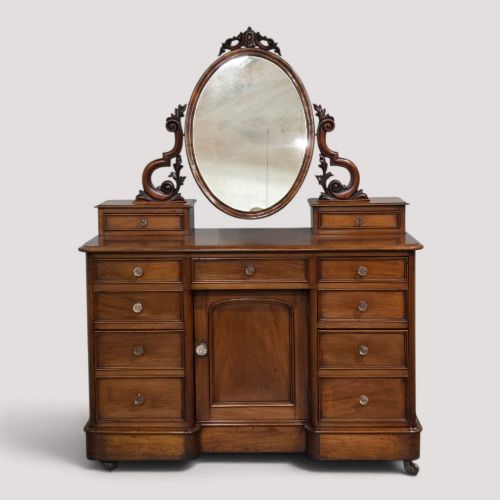
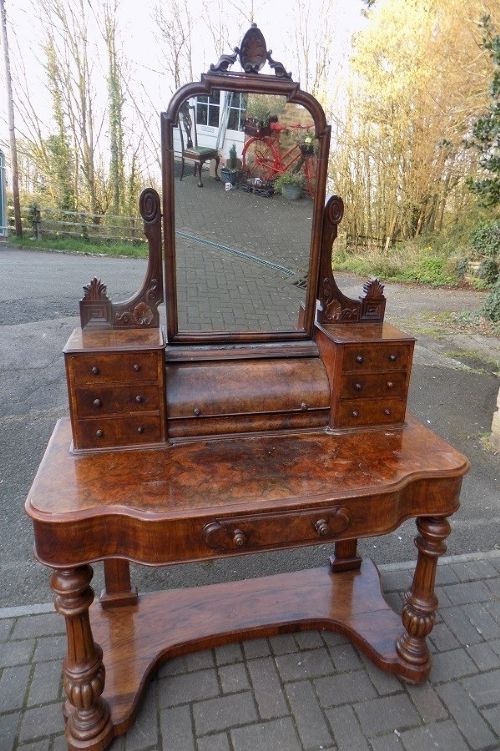
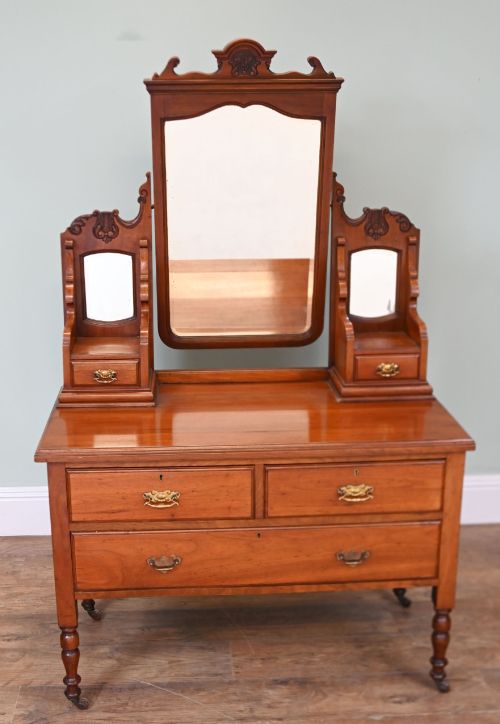
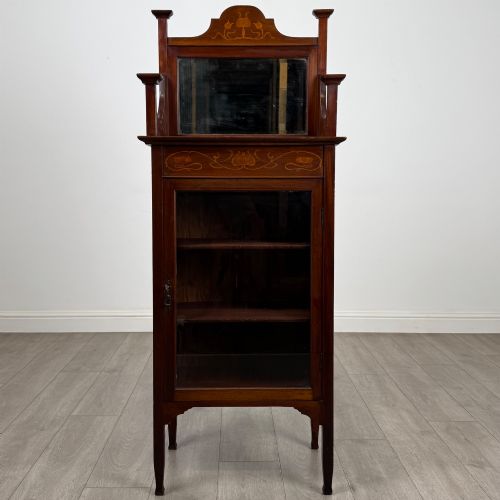
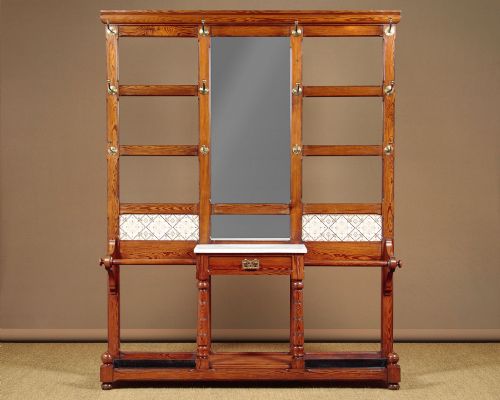
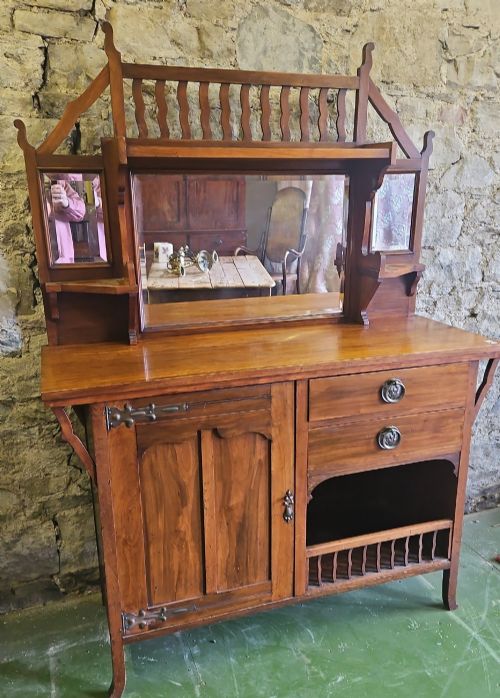
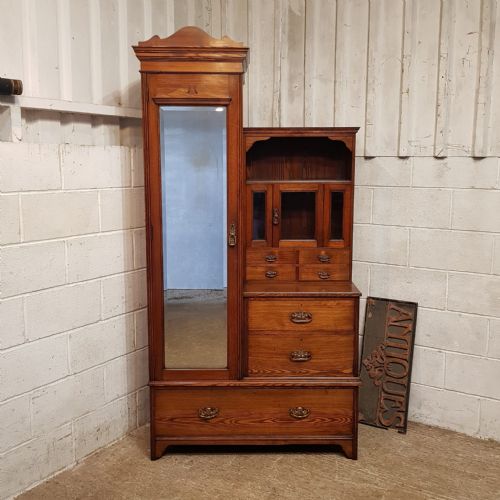
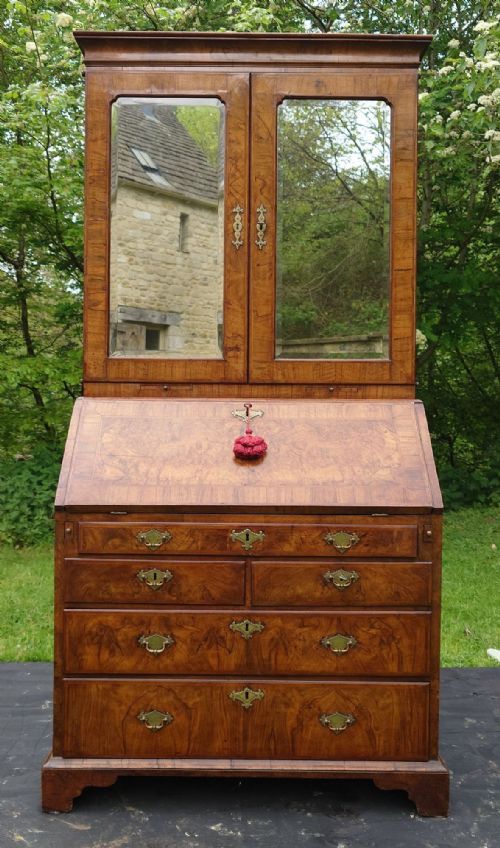
When searching for a warm brown mirror, buyers encounter wall hangings, table-top dressing glasses, and floor-standing cheval pieces rooted in nineteenth and early twentieth-century traditions. These objects derive their character from substantial timber frames finished in rich natural shades, often integrating into larger furniture forms or operating as standalone architectural accents. The pieces met most frequently on this page originate from the Victorian and Edwardian eras, reflecting domestic utility and decorative arts movements of the period.
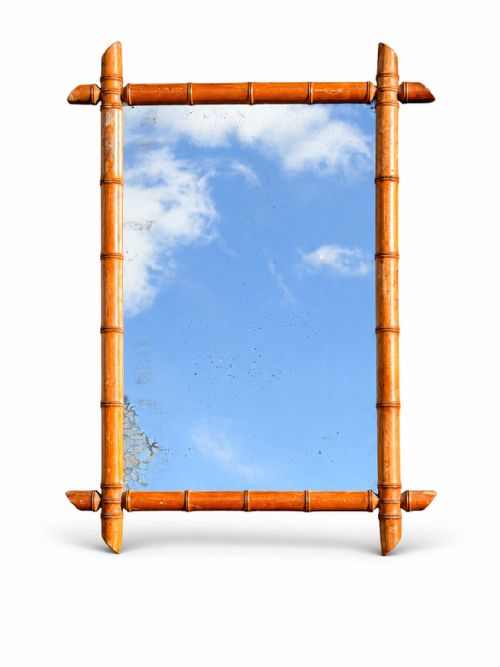
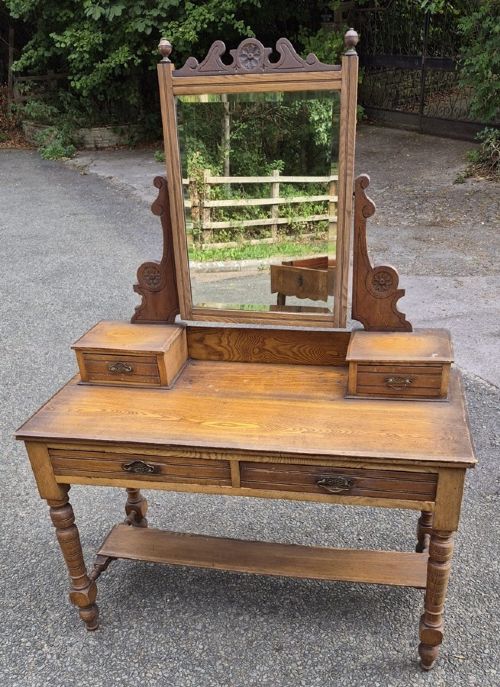
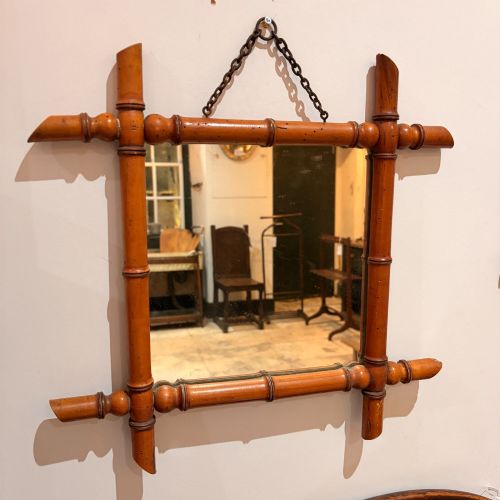
The selection encompasses diverse regional styles, from French faux bamboo creations to English mahogany, oak, and walnut designs. Many items emerge directly from functional contexts, including dressing tables, hallstands, and overmantels, where timber frames complemented surrounding interior woodwork. Exploring this category reveals how makers utilised deep brown woods to anchor domestic spaces while providing functional glass surfaces.
Materials and construction methods
Frames rely principally on durable hardwoods such as mahogany, oak, walnut, beech, and ash, chosen for their capacity to take a deep, rich polish. Cabinetmakers shaped these timbers through traditional joinery, incorporating carved details, turned elements, or subtle inlays to enhance the natural grain of the wood. Alternative materials like bamboo and pine also appear, treated with specialist finishes to achieve the characteristic warm brown palette.
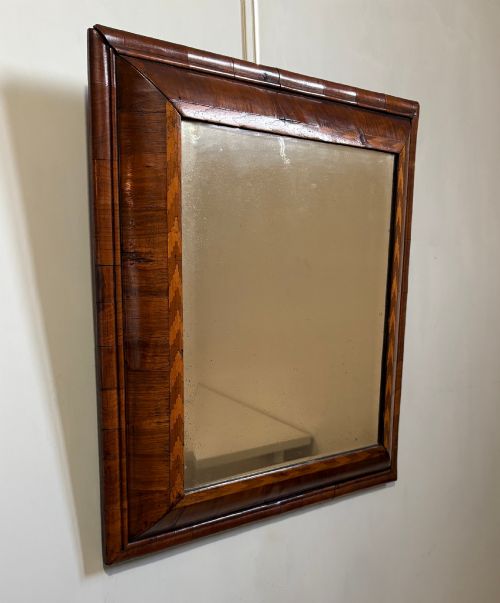
Mirror glass of the period was set securely within rebated frames, sometimes retaining original mercury plates that exhibit characteristic soft foxing and age spots. Backboards typically consist of solid timber planks secured with period fixings, maintaining structural integrity over generations of use. The combination of dense hardwood frames and traditional silvered glass ensures enduring stability.
Warm Brown Mirror Retail Price Guide 2026
Typical asking prices for warm brown mirror among the pieces listed under this phrase on Sellingantiques today, from the lower quarter to the upper quarter. They describe what is for sale here now, not the wider market.
Listings feature woods such as mahogany, oak, walnut, ash, and beech across Victorian, Edwardian, and mid-nineteenth-century periods.
Distinctions in quality and execution
Quality reveals itself in the selection of timber veneers and solid woods, where finely figured grain patterns and deep, consistent colouration distinguish superior examples from plain utility pieces. The precision of the joinery and the crispness of any carved ornamentation demonstrate the maker's skill and the time invested in production. Higher-tier items frequently display thoughtful proportions, integrated inlay work, and robust backing construction that withstands decades of handling.
The condition and clarity of the mirror plate itself play a significant role in distinguishing fine examples, alongside the integrity of the original polish and finish. Pieces that retain their authentic surface patination without heavy modern intervention hold greater aesthetic coherence. Evaluating these attributes allows collectors to recognise the difference between standard domestic furnishings and exceptional decorative works.
Thomas Rubergall of London·T Simpson and Son
The Warm Brown Mirror Glossary
- Cheval mirror
- A freestanding full-length dressing glass suspended on a vertical frame with pivoting pivots. This allows the user to tilt the glass to various angles.
- Overmantel mirror
- A large horizontal mirror intended to be positioned directly above a fireplace mantelpiece. These pieces frequently feature elaborate carved timber frames.
- Faux bamboo
- A decorative technique where hardwood, such as beech or ash, is carved and painted to resemble natural bamboo stalks. It gained immense popularity during the nineteenth century.
- Mercury plate
- An early form of mirror glass produced by applying a tin and mercury amalgam to the rear of the glass. It yields a distinctive, slightly distorted reflection with characteristic dark speckling.
Warm Brown Mirror: Frequently Asked Questions
Where should I hang a warm brown mirror?
These mirrors suit hallways, living rooms, and bedrooms where their timber frames can complement existing wooden furniture and architectural details. Positioning them opposite windows helps maximise natural light within smaller spaces.
Ensure the wall structure can support the weight of solid hardwood frames, particularly larger Victorian and Edwardian examples. Secure hanging hardware suited to the specific wall type is essential for safety.
How do I care for antique mirror glass?
Clean the glass surface gently using a soft, lint-free cloth and a mild glass cleaner, avoiding harsh chemical ammonia solutions that can damage aged silvering. Spray the cleaner onto the cloth rather than directly onto the glass to prevent liquid seeping behind the frame.
Protect the surrounding timber frame by keeping moisture away from the edges where the glass meets the wood. Regular dusting with a dry microfibre cloth maintains the natural lustre of the polished wood.
How can I date a wooden mirror frame?
Examine the construction methods, backboards, and fastener types, as hand-cut screws, tongue-and-groove joints, and specific timber choices often point to particular decades. Stylistic markers such as Arts and Crafts simplicity or Victorian carving depth also help narrow the period of manufacture.
Check for maker's marks, stamps, or trade labels papered onto the reverse, which frequently provide direct documentation. Comparing the joinery style with dated examples of sideboards and dressing tables aids accurate attribution.
What is foxing on antique mirrors?
Foxing refers to the small brown spots, cloudy patches, and minor silvering degradation that develop on older mirror plates over time. This chemical reaction occurs as moisture and air interact with the backing materials across decades of exposure.
Many collectors value authentic foxing as proof of age and original manufacture, adding unique character to the reflection. It distinguishes vintage mercury or early silvered plates from modern replacements.