





Warm Brown End Table
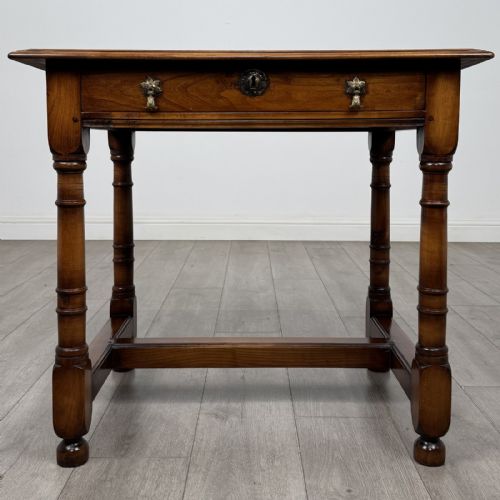
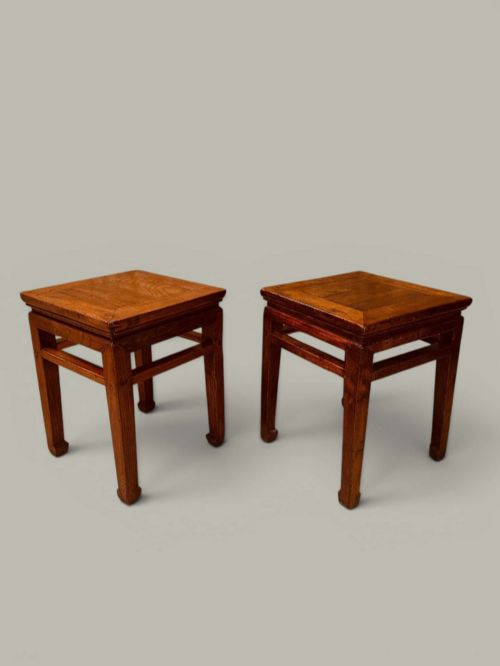
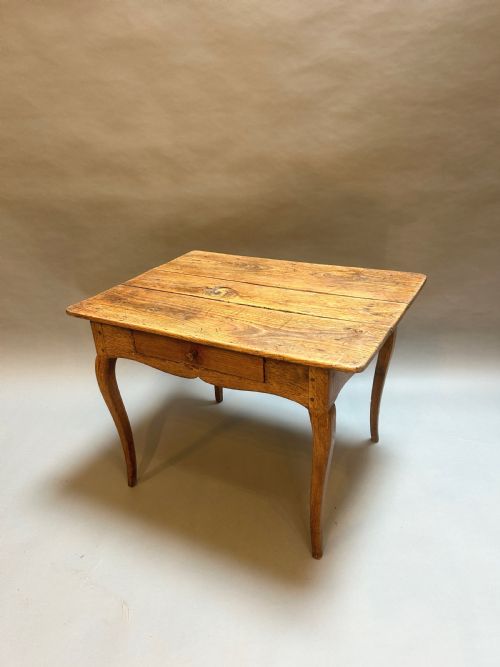
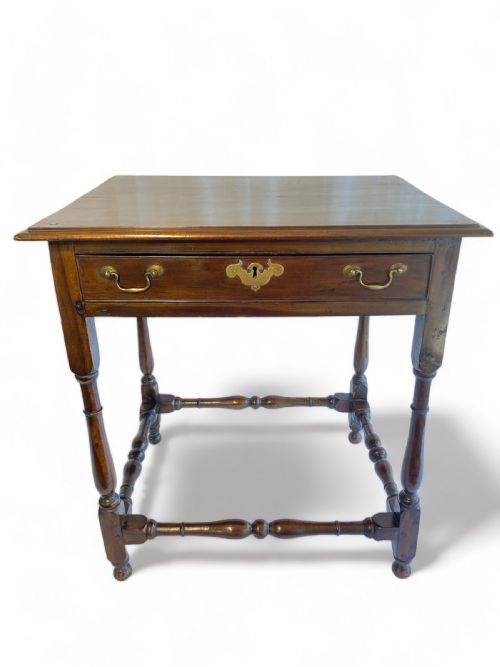
A warm brown end table brings practical surface space and rich wood tone to a room, drawing on centuries of cabinet-making traditions.
Warm Brown End Table
A warm brown end table encompasses a variety of compact auxiliary furniture pieces designed for placement beside seating or beds. When you search for a warm brown end table, you encounter forms ranging from simple occasional tables to refined lamp tables, side tables, and bedside cabinets.
The materials span mahogany, oak, walnut, satinwood, cherry wood, and fruit wood, yielding the characteristic deep brown tones seen across the centuries. The selection draws on periods from the eighteenth century through the Art Deco era of the nineteen-thirties, reflecting diverse craftsmanship.
Styles represented include Regency, Victorian, Edwardian, Arts and Crafts, and French Provincial, ensuring a mix of geometric simplicity and ornate marquetry. Most items function as side tables, coffee tables, or bedside stands, providing surface area within domestic spaces.
How they were made
Cabinet-makers utilised solid timbers such as oak, mahogany, walnut, and pine, often combining them with decorative veneers and marquetry inlay. Structural strength relied on traditional joinery and turned supports.
Surface treatments included polished wood finishes that highlighted the natural grain of mahogany and walnut, alongside leather inserts and brass hardware. Wood-turned legs, barley twist supports, and stretchers provided stability and visual detail.
Warm Brown End Table Retail Price Guide 2026
Typical asking prices for warm brown end table among the pieces listed under this phrase on Sellingantiques today, from the lower quarter to the upper quarter. They describe what is for sale here now, not the wider market.
Listings feature woods including mahogany, oak, walnut, satinwood, pine, and partridge wood across various historical periods.
What varies in quality
Quality rests upon the selection of timber, the precision of marquetry inlay, and the integrity of the structural joinery. Finer pieces display carefully matched wood grains and sophisticated decorative elements like satinwood stringing or brass mounts.
Construction methods distinguish simpler utilitarian furniture from more ambitious cabinet work. The handling of wood-turned legs and the crispness of carved details set individual pieces apart.
Gilbert Rohde·Maurice Adams
The Warm Brown End Table Glossary
- Marquetry
- Decorative patterns formed by fitting small pieces of veneer into a wooden background. This technique creates complex floral or geometric designs on tabletops.
- Occasional table
- A small, movable table intended for a specific, intermittent use rather than a permanent central purpose. These pieces serve easily beside chairs or sofas.
- Pembroke table
- A small table featuring hinged drop leaves on two opposite sides. It often includes a single drawer and slender legs.
- Barley twist
- A type of furniture leg or support turned into a spiral shape resembling a twisted rope. This decorative turning appears frequently on nineteenth-century and early twentieth-century oak pieces.
- Satinwood
- A durable, lustrous wood with a golden-yellow sheen used for fine cabinet work and inlay. It provides contrast against darker timbers like mahogany.
Warm Brown End Table: Frequently Asked Questions
What periods do these tables cover?
The selection spans from the eighteenth century through the nineteenth century and into the early twentieth century. Art Deco pieces from the nineteen-thirties sit alongside Victorian and Edwardian examples.
Earlier items include eighteenth-century oak and fruit wood designs, while later items reflect the clean lines of the interwar period.
What woods are commonly used?
Mahogany, oak, and walnut form the core of the timber selection, supplemented by satinwood, pine, fruit wood, and cherry wood. Brass and leather details appear on specific styles.
Dark brown tones dominate, achieved through the natural colour of the timber and polished finishes.
How do I identify an Art Deco table?
Art Deco pieces typically date to around nineteen-thirty and feature geometric forms, octagonal shapes, or streamlined silhouettes. Walnut and mahogany woods are common in this group.
Designers such as Gilbert Rohde and Maurice Adams contributed to this modernist aesthetic.
Where were these tables placed?
These pieces functioned as side tables, lamp tables, bedside cabinets, and sofa tables within domestic rooms. Their compact sizes allowed them to sit beside seating or beds.
Drop leaves and multiple tiers added versatility for everyday use.