

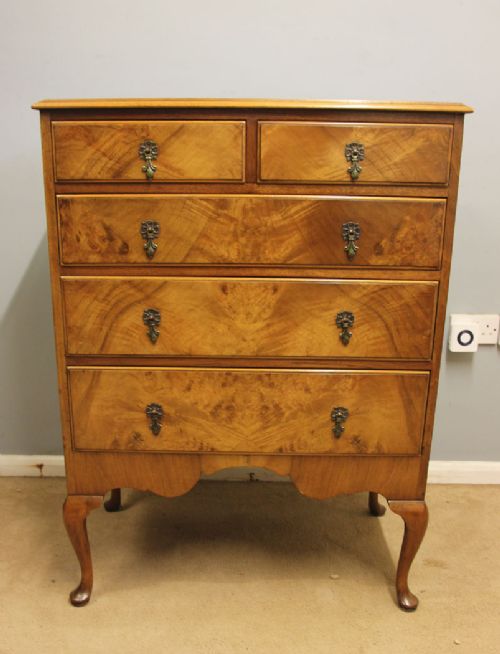
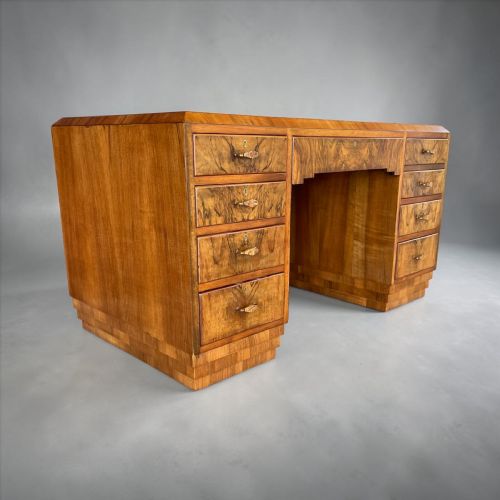
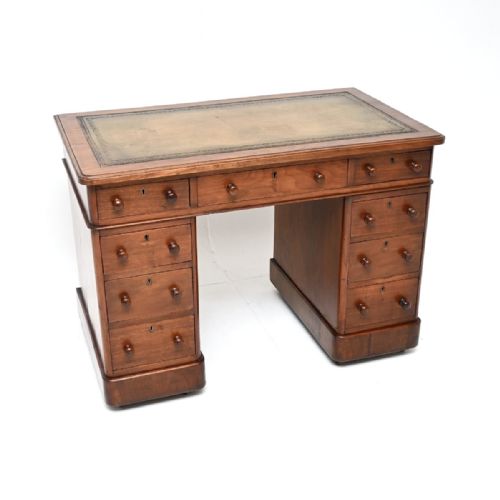
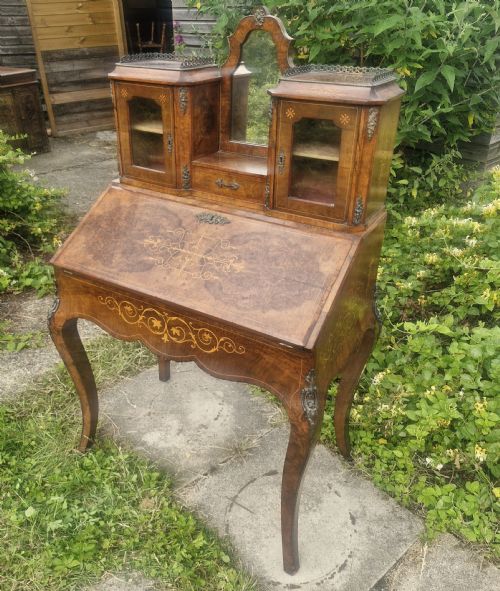
Walnut Wood Bureau
These walnut wood bureau selections offer practical writing surfaces combined with enclosed storage, drawing collectors with their rich grain patterns and period craftsmanship.
Walnut Wood Bureau
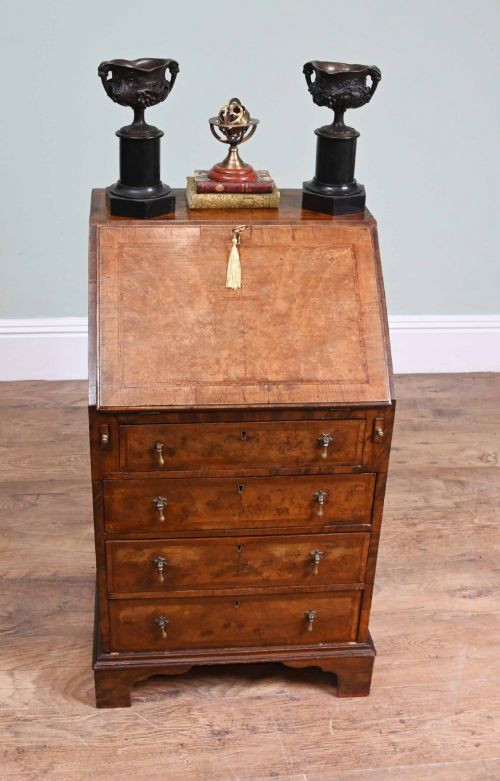
A walnut wood bureau typically takes the form of a fall-front writing cabinet, dropping down to reveal an inner arrangement of pigeonholes and small drawers. These pieces emerge in various iterations across the eighteenth century, the Georgian period, and later Edwardian and Art Deco revivals.
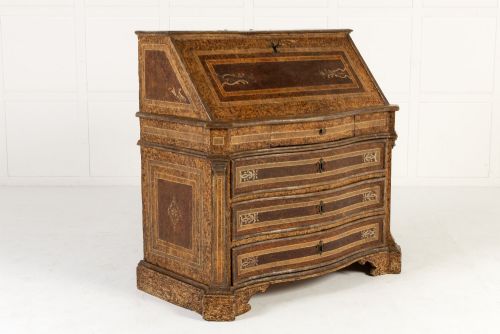
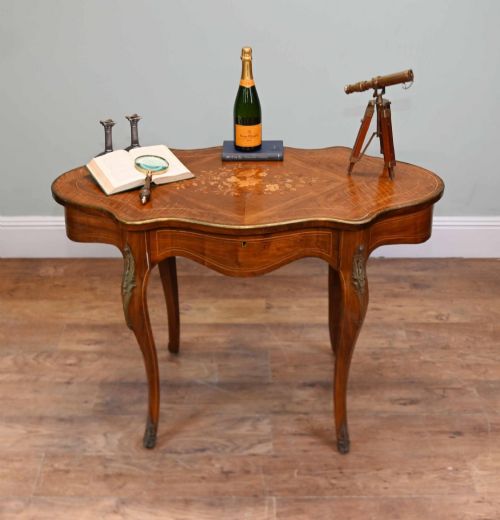
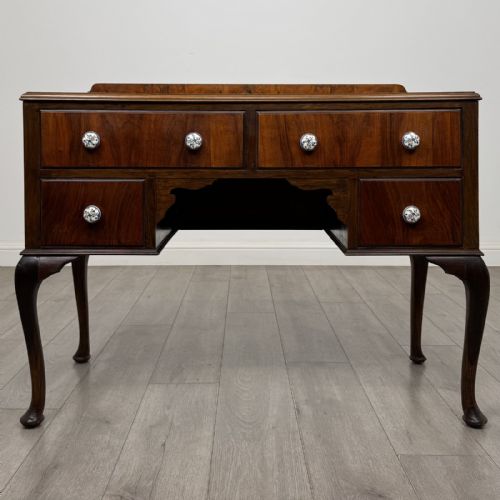
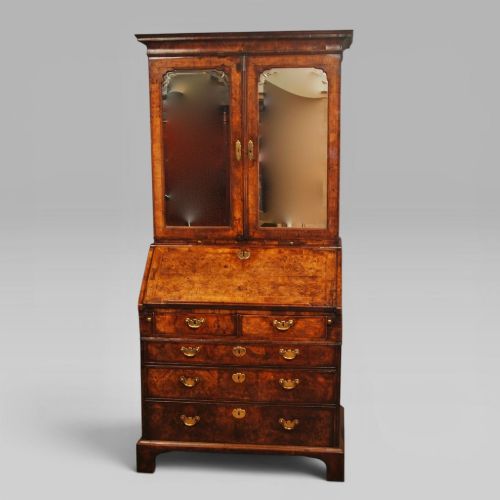
Beyond the standard fall-front desk, the selection includes bureau bookcases topped with mirrored doors, smaller Dutch bombé shapes, and compact variations like the davenport or table-top escritoire. 18th Century and Georgian examples dominate the formal vernacular, while 1930 and Edwardian pieces show streamlined adaptations of the traditional form.
The primary material identity centres on solid walnut and figured veneer surfaces, frequently accompanied by secondary timbers such as oak. Buyers meet both English and continental origins, including Dutch baroque styling and French marquetry influences.
Materials and construction methods
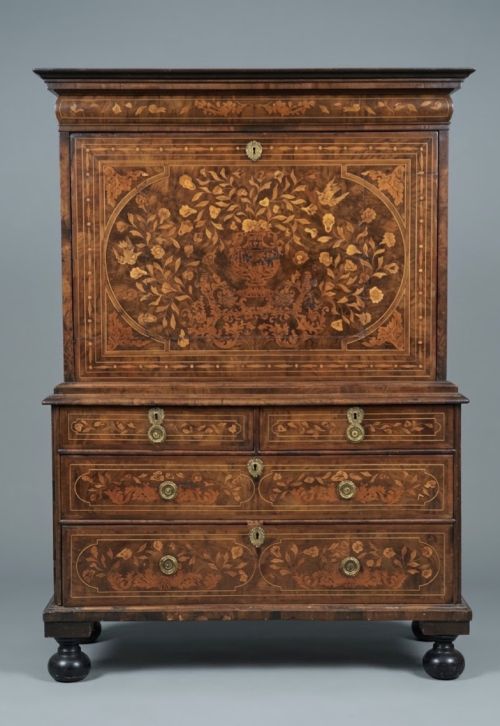
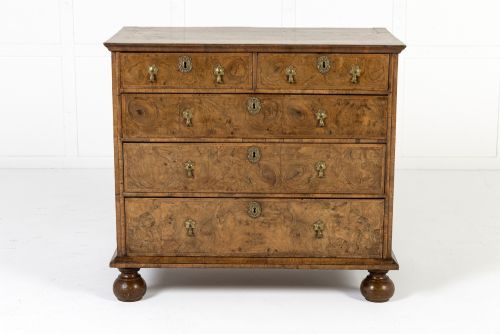
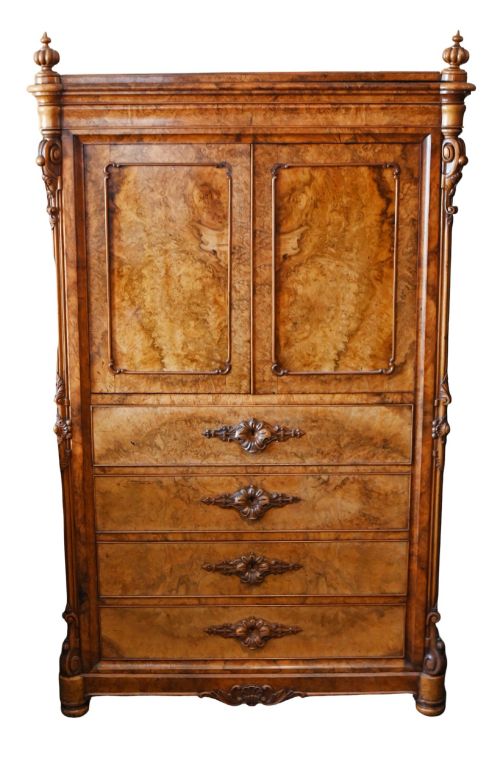
Cabinet makers utilised walnut timber and burr walnut veneer laid over solid foundation woods, creating swirling decorative grain patterns on the primary drop-front surfaces. Ormolu mounts, brass handles, and leather writing inserts provide functional and decorative contrast to the dark timber.
Construction relies on traditional joinery techniques, visible in the dovetail joints of internal drawers and the framing of fall-front panels. Marquetry inlay and figured wood selection demand precise hand-cutting, matching grain directions to frame the writing surfaces and drawer tiers symmetrically.
Walnut Wood Bureau Retail Price Guide 2026
Typical asking prices for walnut wood bureau among the pieces listed under this phrase on Sellingantiques today, from the lower quarter to the upper quarter. They describe what is for sale here now, not the wider market.
Miniature apprentice pieces let tiny craftsmen practise their dovetails before tackling full-sized furniture.
Evaluating quality and execution
The distinction between tiers of execution rests upon the choice of timber and the precision of the veneer work. Finer examples display highly figured burr walnut selected for symmetry across the fall-front flap, whereas simpler items utilise plain timber boards.
Secondary detailing dictates the grade of the piece, from hand-chased brass hardware and fitted interior compartments to the complexity of marquetry inlay. The integrity of the internal pigeonhole arrangement and the smoothness of the fall-front hinges signal superior workshop production.
Étienne Kohlmann
The Walnut Wood Bureau Glossary
- Bureau
- A writing desk featuring a sloping fall-front flap that opens to disclose small drawers and pigeonholes. It frequently sits upon a base of larger chest drawers.
- Burr walnut
- A specialised timber cut from a tree growth or burl, yielding a swirling, highly decorative grain pattern prized for cabinet veneers.
- Fall-front
- A hinged writing flap that drops from a vertical position to horizontal, serving as a desk surface when open and concealing internal compartments when closed.
- Marquetry
- Decorative veneer work using pieces of various wood grains and coloured timbers to form pictorial or geometric patterns on furniture surfaces.
- Pigeonhole
- A small, open compartment situated inside a desk or bureau interior for sorting letters and documents.
Walnut Wood Bureau: Frequently Asked Questions
What is a walnut wood bureau?
A walnut wood bureau is a traditional writing desk featuring a hinged, sloping flap that drops down to form a writing surface. Inside, it houses an arrangement of small drawers and pigeonholes for correspondence.
Externally, these pieces integrate storage through underlying chest drawers, ranging from compact Georgian formats to taller bureau bookcases with glazed upper sections.
How do I date an antique bureau?
Dating relies on examining construction methods, hardware styles, and timber choices across the piece. Early eighteenth-century examples exhibit distinct Georgian proportions and herringbone stringing, whereas Edwardian and 1930s revivals display cleaner lines and simpler internal fittings.
Hardware such as brass pull handles and escutcheons also shift in design from cast brass batwings to simpler drop handles, offering chronological clues alongside the grain of the walnut veneer.
Where should I place a bureau?
These desks suit studies, living rooms, or bedrooms where their dual function as storage and writing space can be utilised. Ensure adequate floor clearance in front of the unit for the fall-front flap to lower completely.
Position the cabinet away from direct sunlight and heat sources to protect the delicate walnut veneer and leather writing inserts from drying out or fading over time.
How do I care for walnut veneer?
Maintain walnut surfaces by dusting gently with a soft, dry cloth and avoiding silicone-based polishes or harsh chemical sprays. Applying a light coat of quality beeswax periodically helps nourish the timber and preserve the grain.
Keep the room at a stable humidity level to prevent the walnut veneer from lifting or cracking across the curved surfaces of the fall-front and drawer fronts.