



Walnut Wood Bookcase
These walnut wood bookcase pieces bring rich figure and practical shelving together, ranging from open library furniture to mirrored bureau cabinets.
Walnut Wood Bookcase
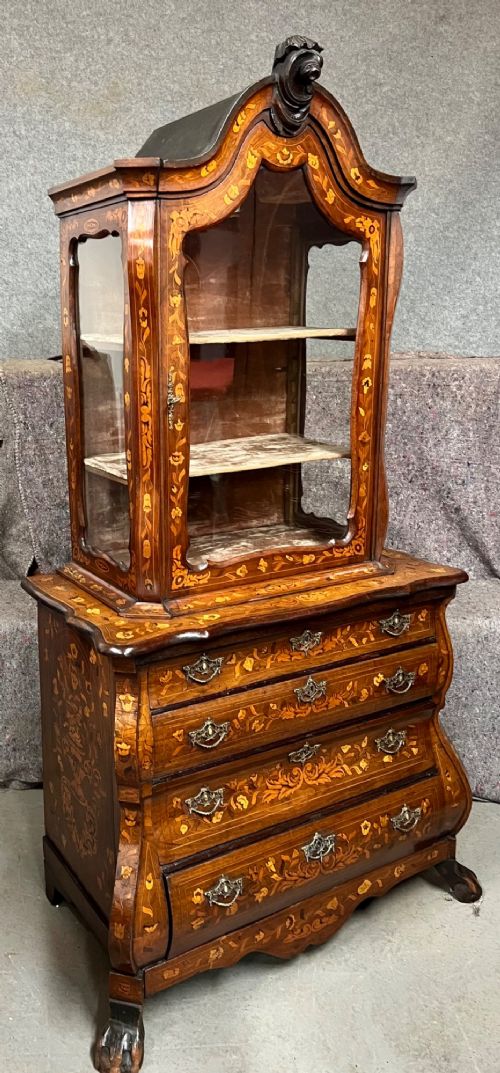
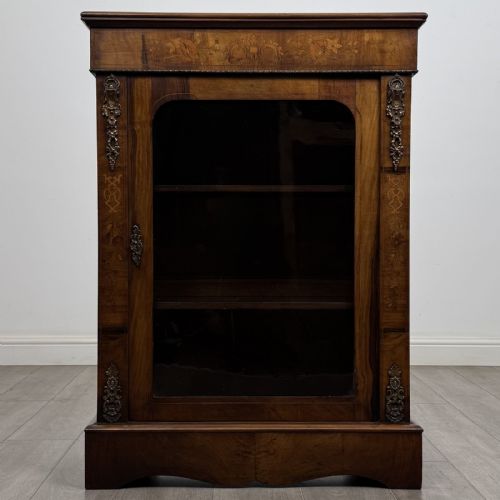
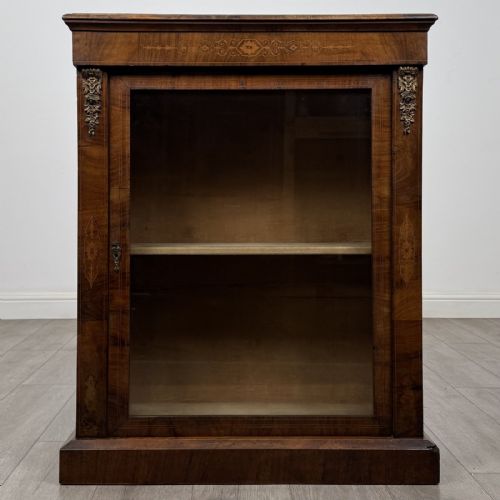
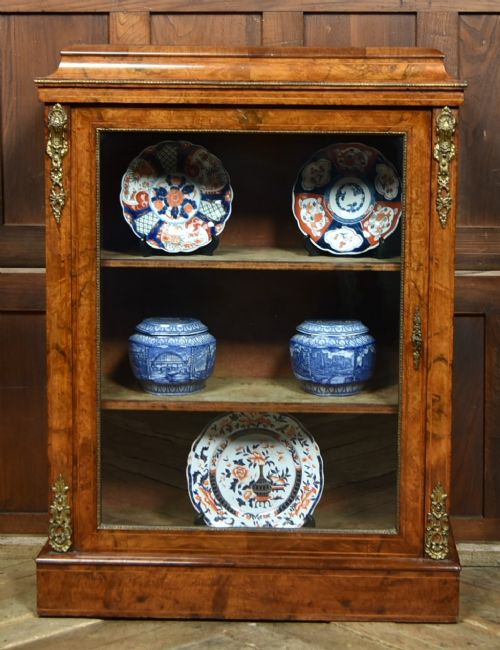
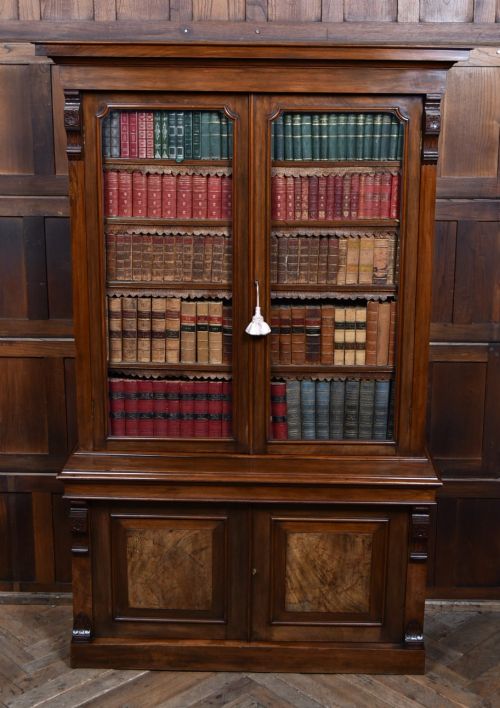
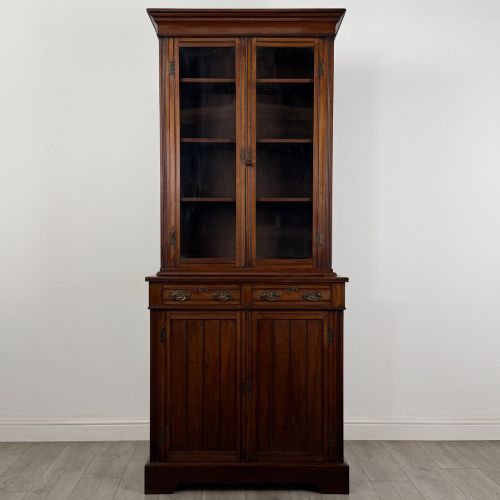
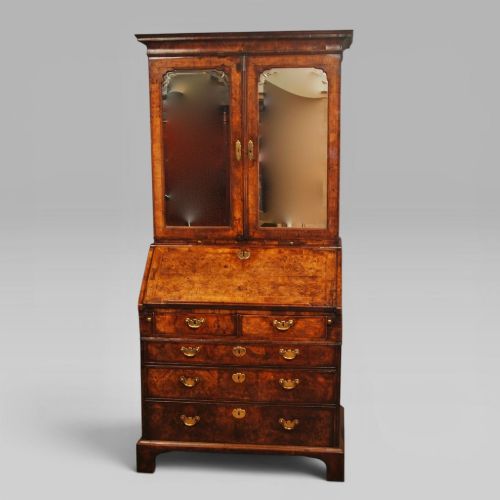
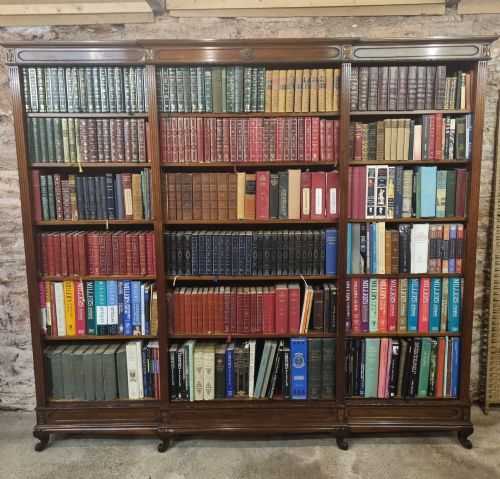
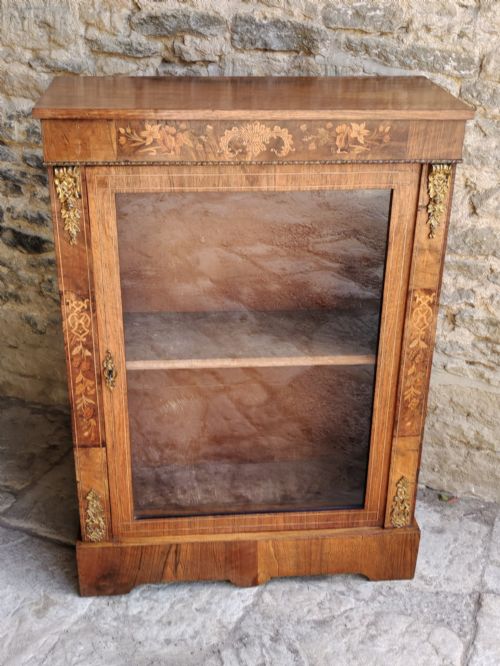
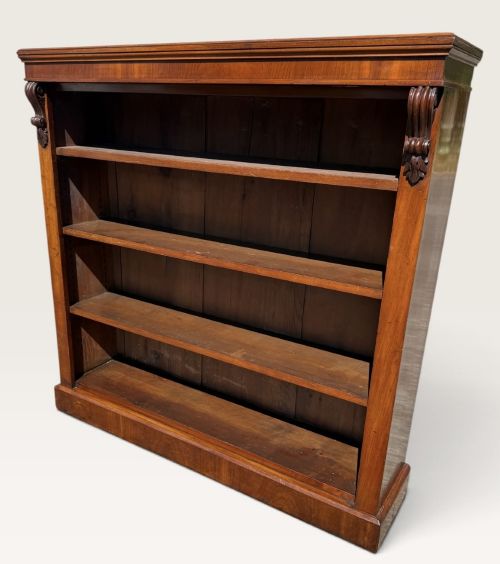
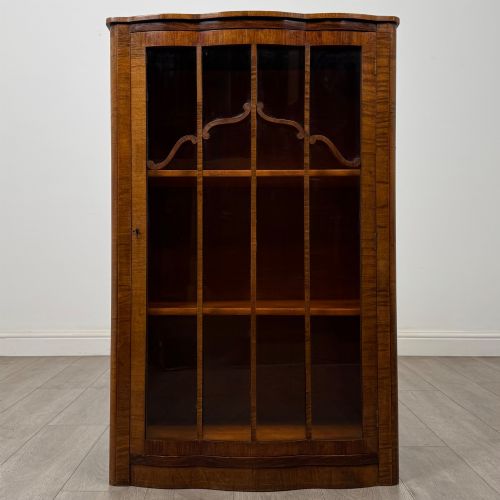
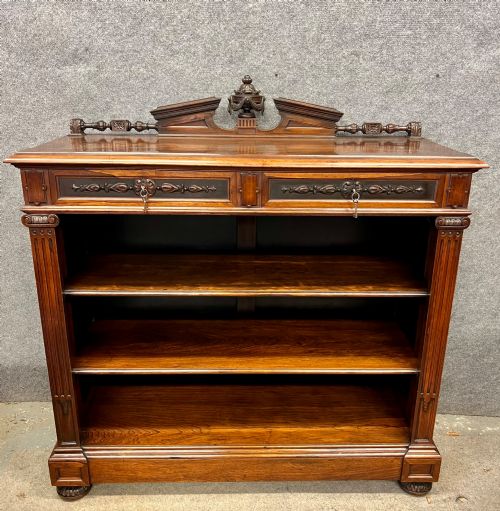
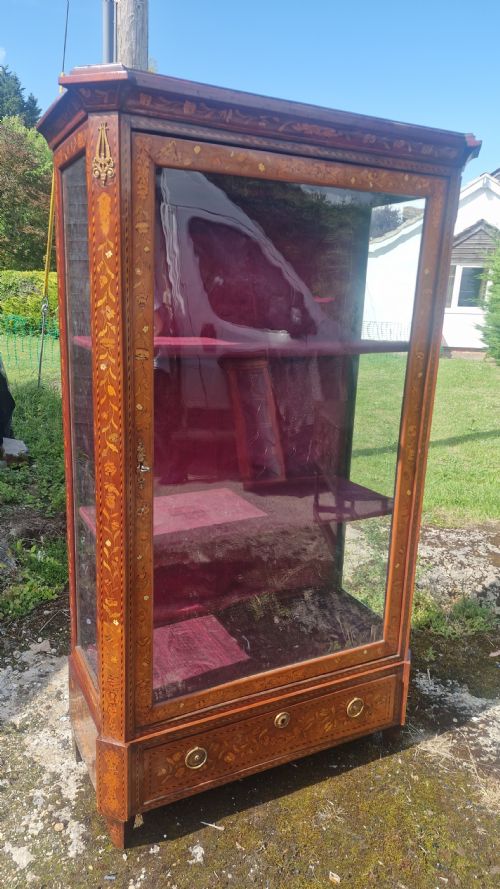
A walnut wood bookcase takes several forms across this selection, spanning open library shelves, glazed display cabinets, and drop-front bureau bookcases. Buyers encounter everything from compact Edwardian open shelves with adjustable tiers to large nineteenth-century breakfront designs.
The periods represented stretch from eighteenth-century Queen Anne examples down to Art Deco pieces from the nineteen-thirties. Victorian interpretations appear frequently, often utilising burr walnut veneers, glazed doors, and marquetry inlay alongside simpler open formats.
How they were made
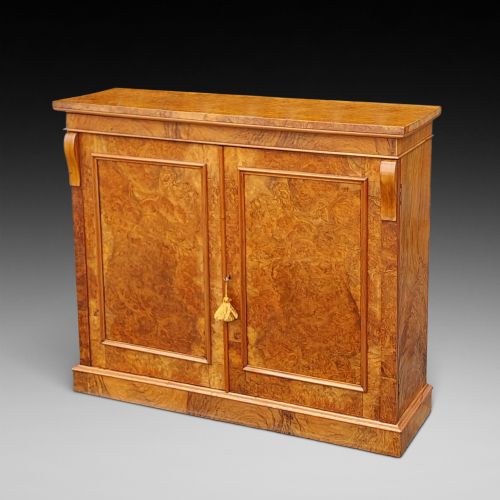
Cabinet makers constructed these pieces using solid walnut, pine carcases, and applied walnut veneers to achieve complex grain patterns. Burr walnut and figured veneers provide decorative movement across doors and drawer fronts, supplemented by fruitwood inlay and marquetry.
Walnut Wood Bookcase Retail Price Guide 2026
Typical asking prices for walnut wood bookcase among the pieces listed under this phrase on Sellingantiques today, from the lower quarter to the upper quarter. They describe what is for sale here now, not the wider market.
Materials span solid walnut, burr walnut veneers, brass ormolu, glass panes, and fruitwood inlay.
What varies in quality
The calibre of a walnut wood bookcase rests largely on the choice of veneer and the depth of the timber figure. Highly figured burr walnut and crisp marquetry inlay distinguish finer salon and breakfront cabinets from utilitarian open shelving.
Construction details such as crossbanding, hand-carved mouldings, and original brass or ormolu mounts elevate specific pieces. The integration of adjustable shelving mechanisms and solid secondary woods like pine also mark out superior workshop production.
Gabriel Viardot·Heal's·Epstein
The Walnut Wood Bookcase Glossary
- Burr walnut
- A prized timber harvested from tree growths or burls, showing intricate swirling grain patterns. Cabinet makers prized this wood for veneering prominent surfaces on nineteenth-century cabinets.
- Breakfront
- A cabinet design where the central section projects forward from the flanking wings. This architectural form adds depth and presence to large library bookcases.
- Marquetry
- The art of applying decorative veneer pieces to form intricate pictorial or geometric patterns. Makers utilised contrasting woods like fruitwood to create floral motifs across Victorian cabinet doors.
- Pier cabinet
- A low freestanding cabinet designed to sit against the wall space between windows. These pieces often feature glass doors and ormolu mounts to display porcelain and small objects.
- Bureau bookcase
- A dual-purpose piece combining a sloping desk flap over drawers with a glazed or panelled bookcase top. Early examples trace back to the eighteenth century.
Walnut Wood Bookcase: Frequently Asked Questions
What is a bureau bookcase?
A bureau bookcase combines a sloping desk compartment with shelving or display space above. It serves both as a writing desk and a traditional storage cabinet for books.
Lower sections typically contain drawers behind a drop-front flap, while upper doors feature wood panels or glass panes.
How do I adjust the shelves?
Many nineteenth-century and Edwardian open bookcases use rack-and-pinion mechanisms or traditional wooden support strips. These allow owners to move shelves up or down to fit varying book heights.
Later Art Deco and stacking variants utilise different modular configurations for shelf placement.
Are these cabinets suitable for modern books?
Most open library bookcases and adjustable shelving units accommodate standard modern book sizes comfortably. Deeper breakfront and library pieces offer substantial depth for larger volumes.
Enclosed glazed cabinets protect valuable or delicate editions from dust and light exposure.
How do I identify a Victorian piece?
Victorian walnut bookcases often display rich burr veneers, crossbanding, and sometimes marquetry inlay or ormolu mounts. Makers during this era also produced plain open walnut shelving with adjustable tiers.
Structural elements commonly pair walnut veneers with secondary timbers like pine inside the carcase.