


Walnut Vitrine Case
A walnut vitrine case is a glazed cabinet designed to display precious objects, combining rich timber with clear glass to showcase your collection.
Walnut Vitrine Case
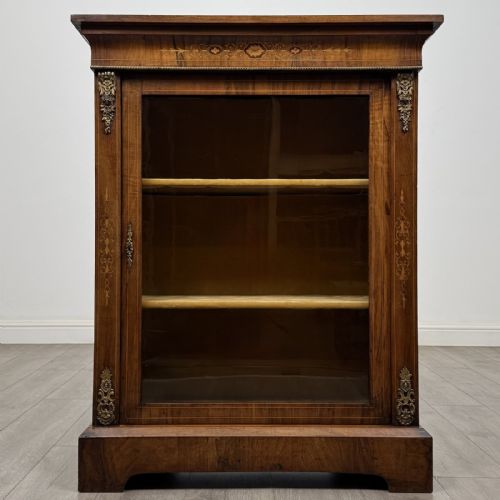
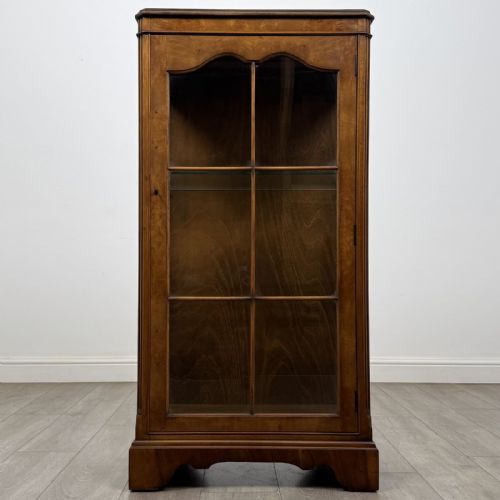
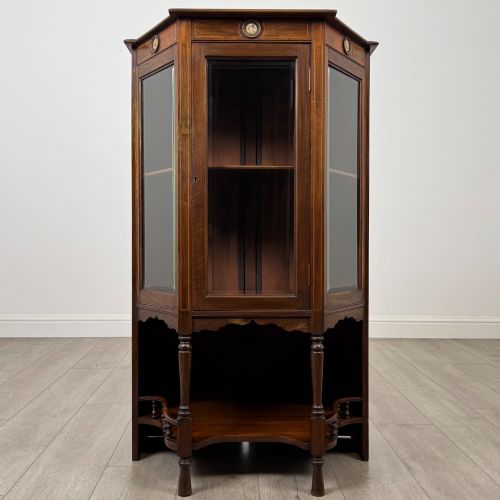
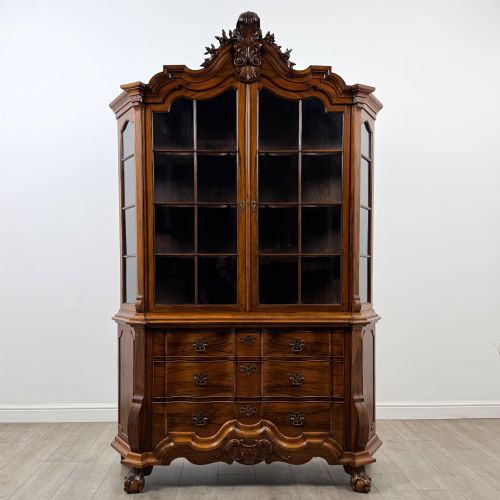
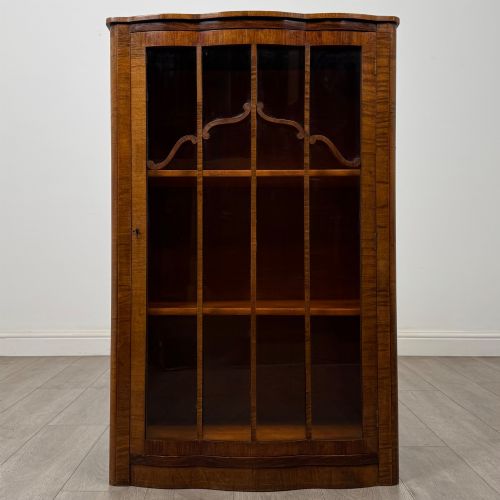
A walnut vitrine case provides enclosed shelving primarily built for displaying ceramics, books, and decorative objects behind glass. When searching for a walnut vitrine case, buyers encounter various formats including freestanding pier cabinets, corner units, and compact table top models.
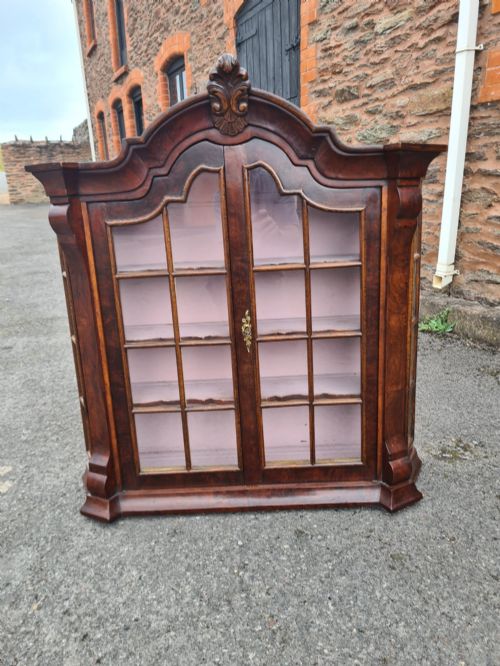
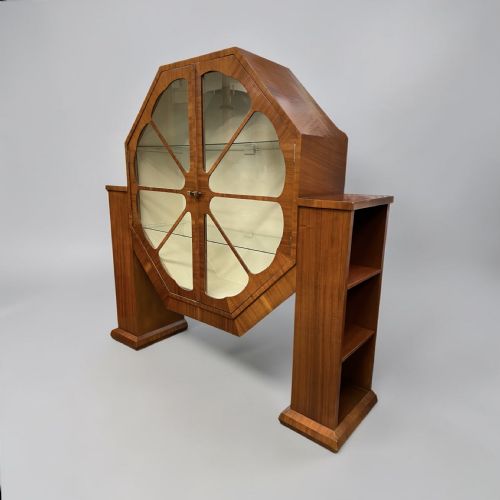
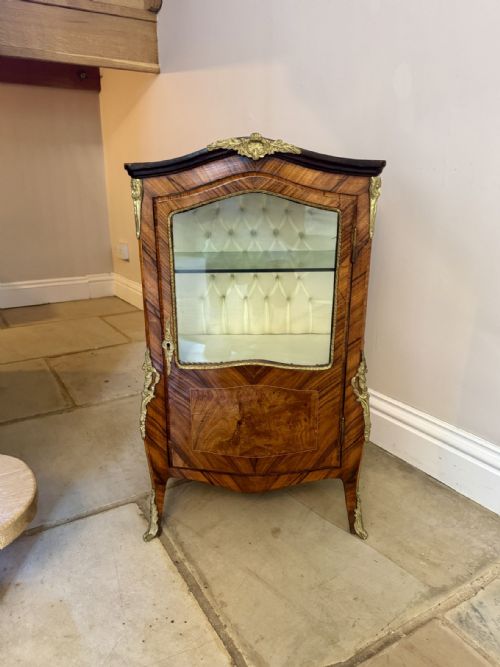
The selection ranges from nineteenth-century Victorian and Edwardian examples to twentieth-century Art Deco designs. Pieces often incorporate specific regional traits, such as Dutch bombe bases or French marquetry and kingwood accents.
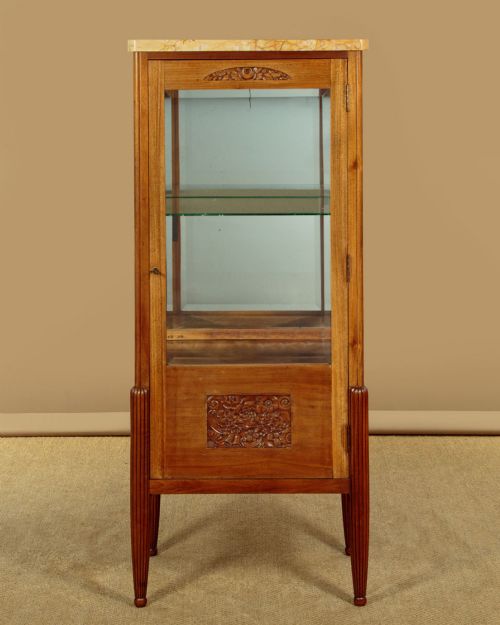
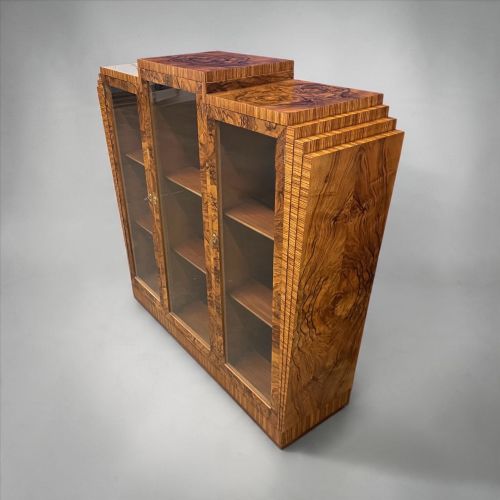
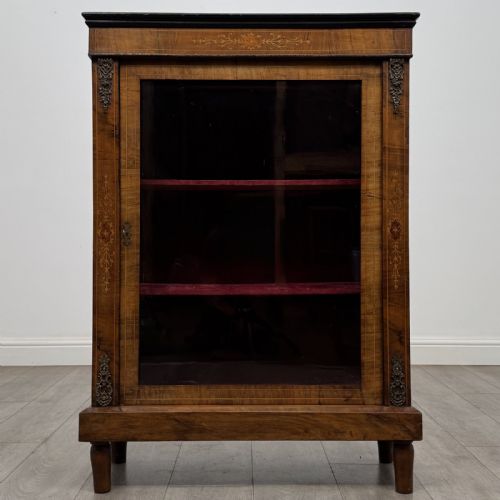
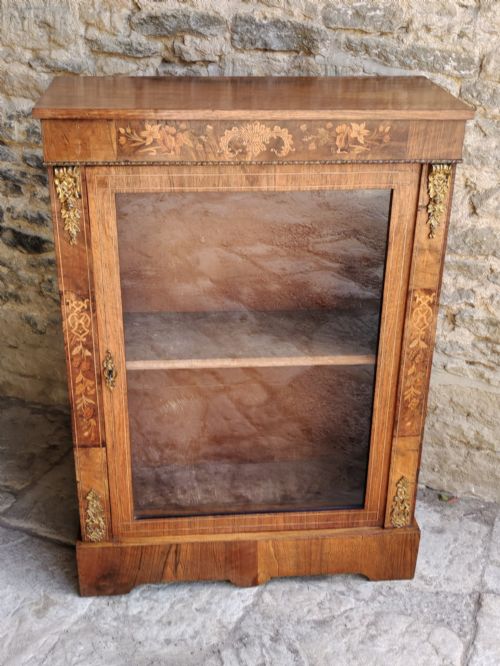
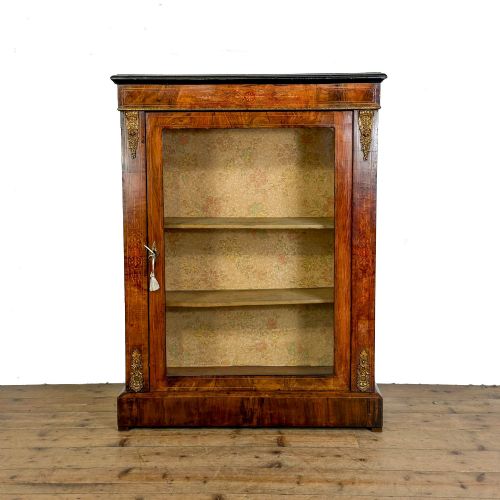
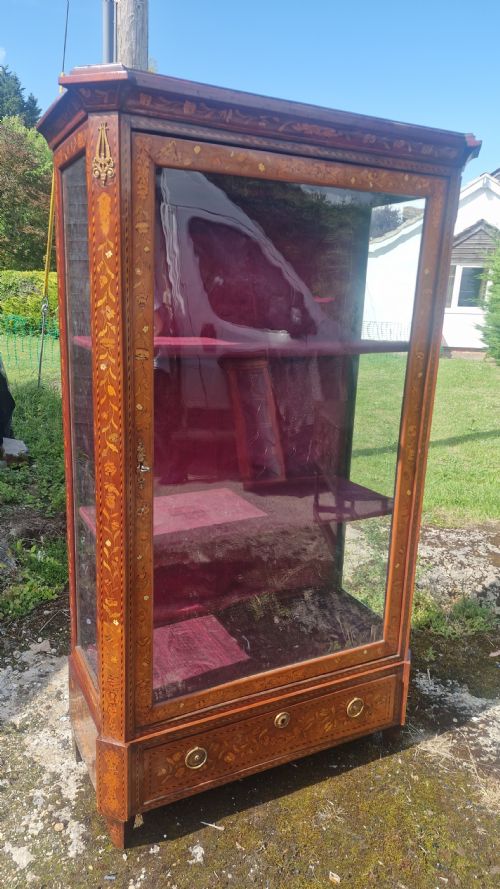
Victorian pieces frequently feature single glazed doors with inlaid marquetry details, whereas Art Deco models lean towards circular forms, figured veneers, and leaded glass.
Materials and construction methods
Makers utilised solid walnut and decorative burr walnut veneers applied over secondary carcase timbers to achieve rich, figured exterior surfaces. Ormolu mounts in cast brass are frequently pinned to nineteenth-century French and Victorian frames for architectural definition.
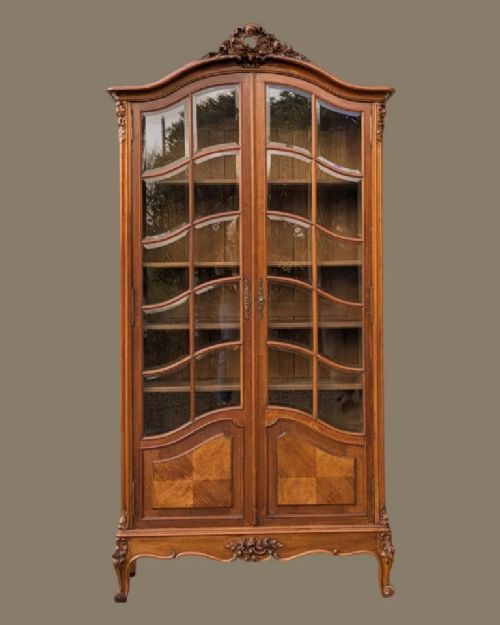
Glazing relies on clear, leaded, or bevelled glass panels secured within timber rebate mouldings. Interiors are commonly lined with velvet or contrasting fabric to provide a soft backdrop for displayed items.
Walnut Vitrine Case Retail Price Guide 2026
Typical asking prices for walnut vitrine case among the pieces listed under this phrase on Sellingantiques today, from the lower quarter to the upper quarter. They describe what is for sale here now, not the wider market.
Listings feature walnut, burr walnut, kingwood, and ormolu alongside glass and velvet across Victorian, Edwardian, and Art Deco periods.
Distinctions in construction and finish
Quality rests upon the selection of timber veneers, where highly figured burr walnut or intricate marquetry inlay commands greater skill than plain surfaces. The crispness of cast ormolu mounts and the precision of inlaid brass stringing separate standard production from superior workshops.
Structural integrity depends on how well doors hang within their frames and whether glass panes are original. Subtle details such as canted corners, serpentine bombe profiles, and intact velvet linings elevate certain examples above simpler freestanding cabinets.
The Walnut Vitrine Case Glossary
- Vitrine
- A glass-fronted cabinet designed specifically for the display of curiosities, porcelain, and fine objects.
- Pier cabinet
- A narrow cabinet traditionally built to stand against the wall space between windows during the Victorian period.
- Ormolu
- Gilt bronze mounts used as decorative ornamentation on the corners, feet, and friezes of nineteenth-century cabinets.
- Burr walnut
- Timber taken from a walnut tree growth, yielding complex, swirling grain patterns highly valued for cabinet veneers.
- Marquetry
- The art of applying decorative pieces of wood veneer to a structure to form intricate pictorial designs or geometric patterns.
Walnut Vitrine Case: Frequently Asked Questions
What is a walnut vitrine case?
A walnut vitrine case is a wooden display cabinet constructed primarily from walnut, featuring glass doors and panels designed to exhibit fine objects.
These pieces range from tall nineteenth-century Victorian pier cabinets to twentieth-century Art Deco circular or corner display units.
How do I date a walnut vitrine?
Dating relies on observing stylistic markers, construction techniques, and materials recorded across the Victorian, Edwardian, and Art Deco periods.
Victorian examples often display marquetry inlay and ormolu mounts, whereas Art Deco models favour geometric figured veneers and leaded glass.
Where should I place a corner vitrine?
A corner vitrine fits directly into room angles, making efficient use of overlooked spaces while offering visibility for displayed contents.
These cabinets work well in dining rooms or drawing rooms to hold ceramics, glassware, and small collections.