


Walnut Veneer Table
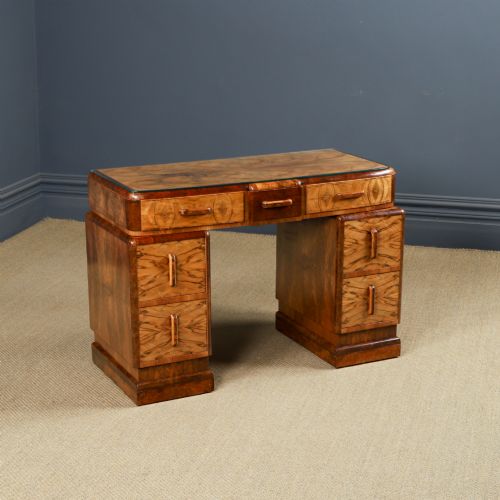
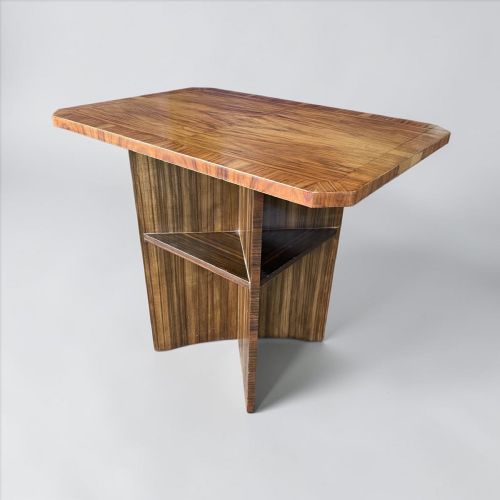
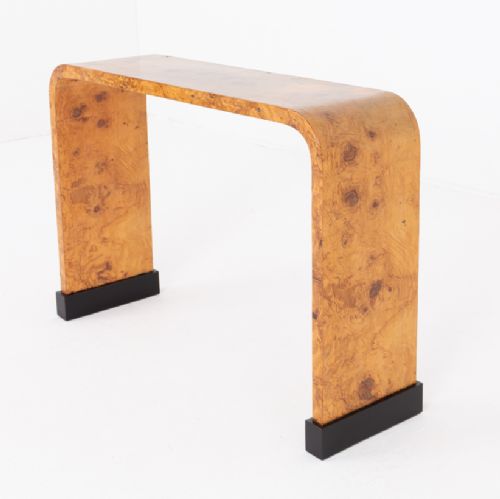
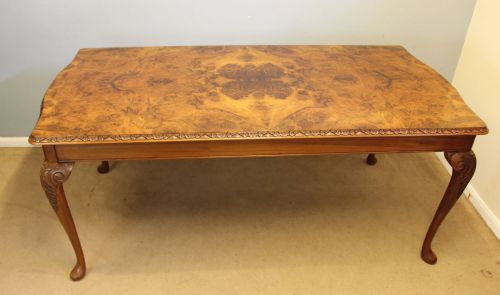
A walnut veneer table brings rich figured timber and clean lines into a room, spanning periods from the seventeenth century through to Art Deco designs.
Walnut Veneer Table
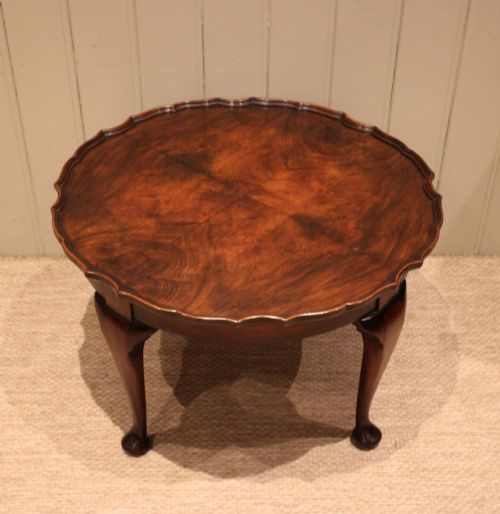
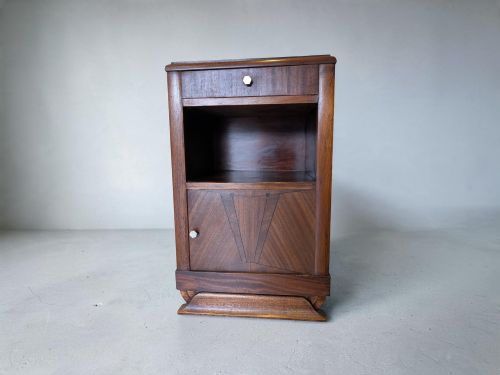
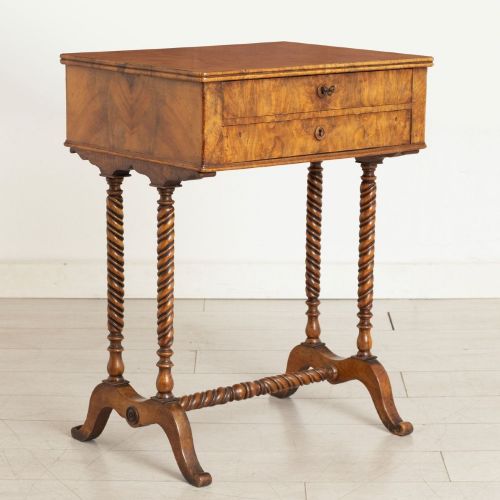
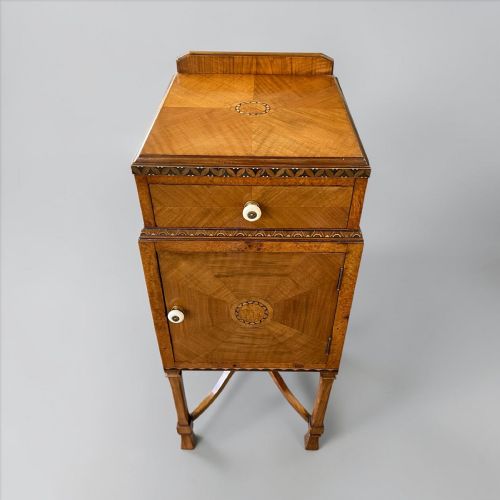
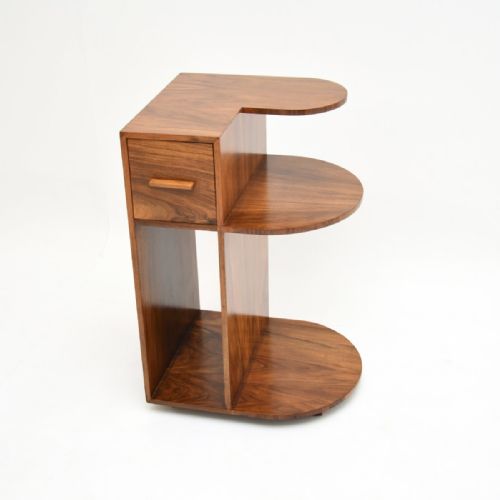
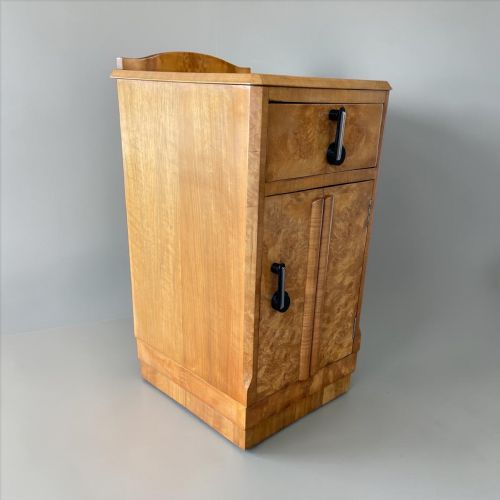
A walnut veneer table relies on thin slices of figured wood laid over a structural base to display swirling grain patterns. When searching for a walnut veneer table, buyers encounter forms ranging from compact bedside stands and coffee tables to large dining tables and desks.
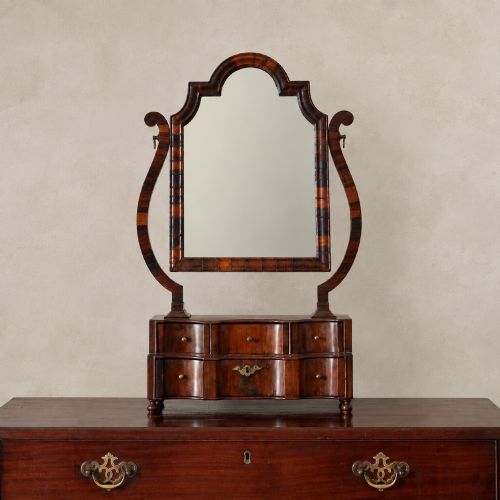
The selections span multiple centuries, though pieces from the 1930s dominate the offerings in Art Deco styles. Alongside these twentieth-century designs, older examples from the eighteenth and nineteenth centuries appear in Queen Anne and general antique formats.
Makers and workshops of the twentieth century, such as Maurice Adams and the Bowman Brothers, sit alongside older unnamed cabinet makers. The range of object types includes occasional tables, side tables, console tables, and centre tables.
How they were made
Cabinet makers sliced thin layers of walnut, burr walnut, and wood veneer to apply over solid secondary timbers. This technique allowed craftsmen to showcase intricate grain patterns that solid timber planks could not provide in symmetrical repeats.
Many twentieth-century pieces incorporate supplementary materials like brass, glass, and chrome to accent the warm tones of the timber. Joinery methods varied from traditional dovetailing in drawers to the sturdy framing required for pedestal desks and dining tables.
Walnut Veneer Table Retail Price Guide 2026
Typical asking prices for walnut veneer table among the pieces listed under this phrase on Sellingantiques today, from the lower quarter to the upper quarter. They describe what is for sale here now, not the wider market.
The listings encompass items spanning from the seventeenth century through to the Art Deco period of the 1930s.
What varies in quality
The choice of veneer dictates much of the visual impact, with highly figured burr walnut and matched grain patterns representing superior selection. Lesser examples utilise simpler, plain cuts of wood veneer with less dramatic movement.
Construction standards differ between mass-produced items and bespoke pieces by known makers like Maurice Adams or the Bowman Brothers. The integrity of the underlying woodwork and the precision of the parquetry or inlay work separate standard utilitarian furniture from finer decorative works.
Maurice Adams·Bowman Brothers
The Walnut Veneer Table Glossary
- Burr Walnut
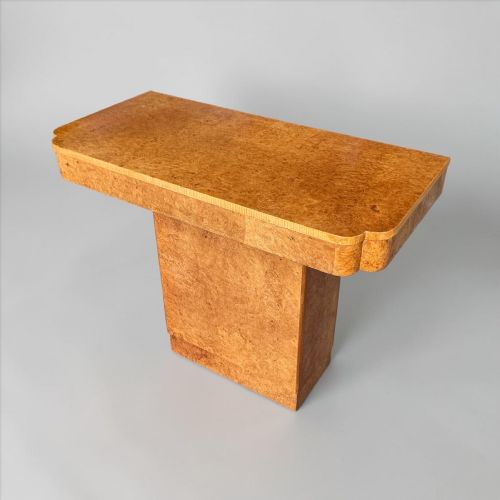
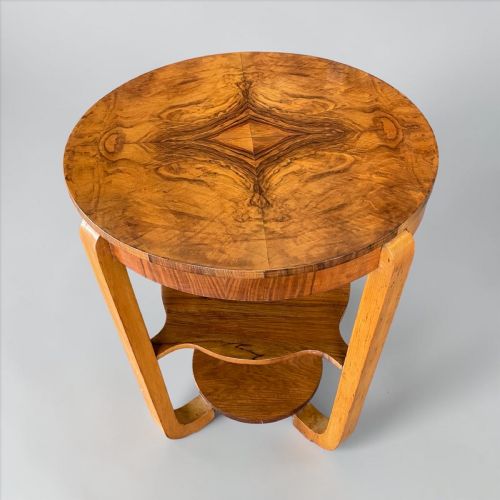
- Wood harvested from the growths or burls on walnut trees, yielding highly contorted and swirling grain patterns. It is prized for its decorative appearance on table tops and cabinet fronts.
- Art Deco
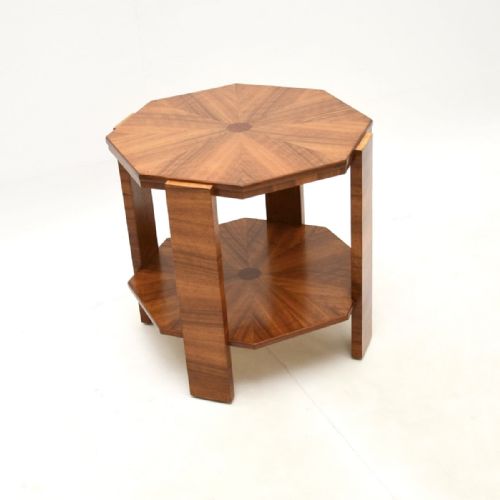
- A design style spanning the 1920s and 1930s characterised by streamlined geometric shapes and stylised motifs. Tables from this era often feature clean silhouettes paired with highly polished wood veneers.
- Queen Anne Style
- A traditional aesthetic originating in the early eighteenth century featuring cabriole legs and restrained curves. Later revivals replicated these graceful proportions in walnut and burr woods.
- Occasional Table
- A small, versatile table designed for specific, intermittent uses such as holding lamps or drinks. These pieces are easily moved around a room to suit daily needs.
Walnut Veneer Table: Frequently Asked Questions
Are Art Deco tables sturdy for daily use?
Art Deco tables built with solid internal construction and thick wood veneers are generally robust enough for everyday living. Coffee tables, side tables, and desks from this period served practical household functions.
Care should be taken with mirrored glass tops or delicate chrome detailing to avoid accidental impact. Regular domestic use is well accommodated by these well-engineered twentieth-century pieces.
What is the difference between walnut and burr walnut?
Standard walnut timber displays a straight, uniform grain with rich brown tones. It provides a reliable and classic surface for traditional furniture.
Burr walnut comes from tree growths that produce complex, swirling patterns and dark eyes within the wood. This highly decorative variant is typically reserved for prominent display surfaces on fine tables and cabinets.
How can I tell a 1930s table from an 18th-century one?
Twentieth-century Art Deco tables typically feature geometric silhouettes, streamlined proportions, and sometimes chrome or glass elements. Their construction methods reflect industrial advances of the era.
Eighteenth-century and Queen Anne pieces usually display traditional joinery, cabriole legs, and hand-rubbed wax finishes. The timber selection and overall architectural silhouette align with the prevailing decorative arts of earlier centuries.